By: Alistair Kroon – SeaPRwire – Brazilian President Lula picked up the phone to Donald Trump on August 21 and spent one hour and twenty minutes pushing back on new U.S. tariffs. He called the accusations groundless. He said the duties hurt both sides. He asked for talks instead of more barriers. That is the official line from Brasília. The tariffs themselves are already in force. The call changes nothing on the ground yet.
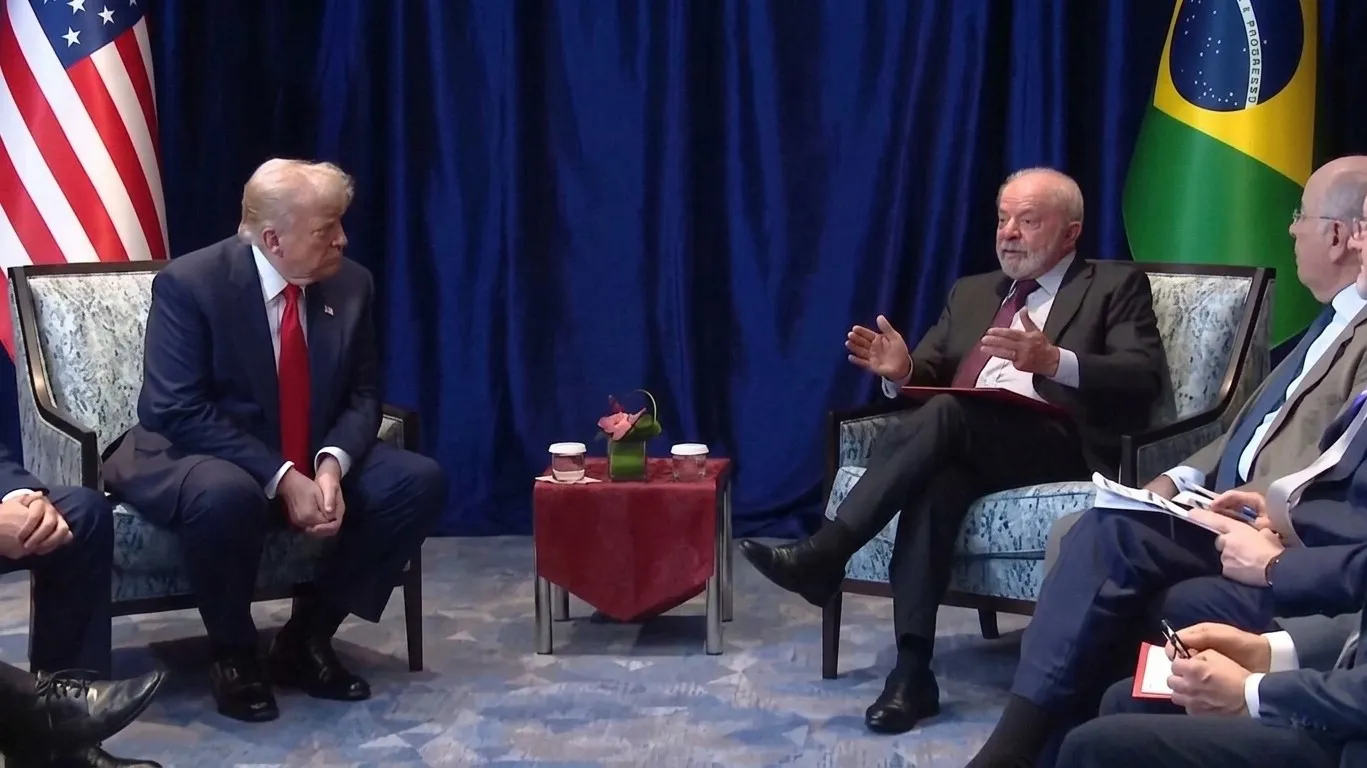
Official statements and the actual sequence sit next to each other. The Brazilian government said the conversation covered bilateral trade, public-security cooperation, and international flashpoints. Lula argued that recent U.S. claims against Brazil lack evidence. The tariffs damage both economies. Differences should be settled by dialogue. On July 15 the U.S. Trade Representative’s office announced an extra 25 percent duty on selected Brazilian products. That hike took effect on July 22, stacked on existing rates. On July 23 the same office imposed new tariffs of 10 to 12.5 percent on goods from dozens of countries and regions, including Brazil. The stated reason was “forced labor.” Those duties replaced a set of global import tariffs that were about to expire. Brazil answered on August 13. It opened procedures under its economic reciprocity law to counter the new U.S. measures. The phone call came eight days later.
The real pressure is the gap between talk and timeline. Lula went into the call after the 25 percent surcharge was already live and after the broader forced-labor tariffs had landed. Brasília’s statement frames the conversation as constructive. It lists security cooperation and global issues alongside trade. That framing softens the confrontation. The underlying calculation is different. Brazil is absorbing higher costs on its exports while preparing its own legal counter-moves. The United States has already collected the new revenue. A single phone call does not unwind either the July 22 or the July 23 actions. It only records that both sides still prefer the language of negotiation. Whether that language produces any roll-back remains untested.
Trade disputes of this type rarely reverse on the strength of one conversation. The tariffs stay until one capital decides the political cost exceeds the revenue or the leverage. Brazil has started its reciprocity process. The United States has shown it will layer duties quickly. The practical next step is to watch whether Brasília follows the legal track with actual counter-tariffs or keeps the pressure limited to statements. That choice will tell more than any phone summary.
Author bio: Alistair Kroon, a well-known geopolitical commentator who regularly publishes sharp op-eds in major international newspapers on trade conflicts and the limits of presidential diplomacy.