(SeaPRwire) – By: Lucas Caldwell
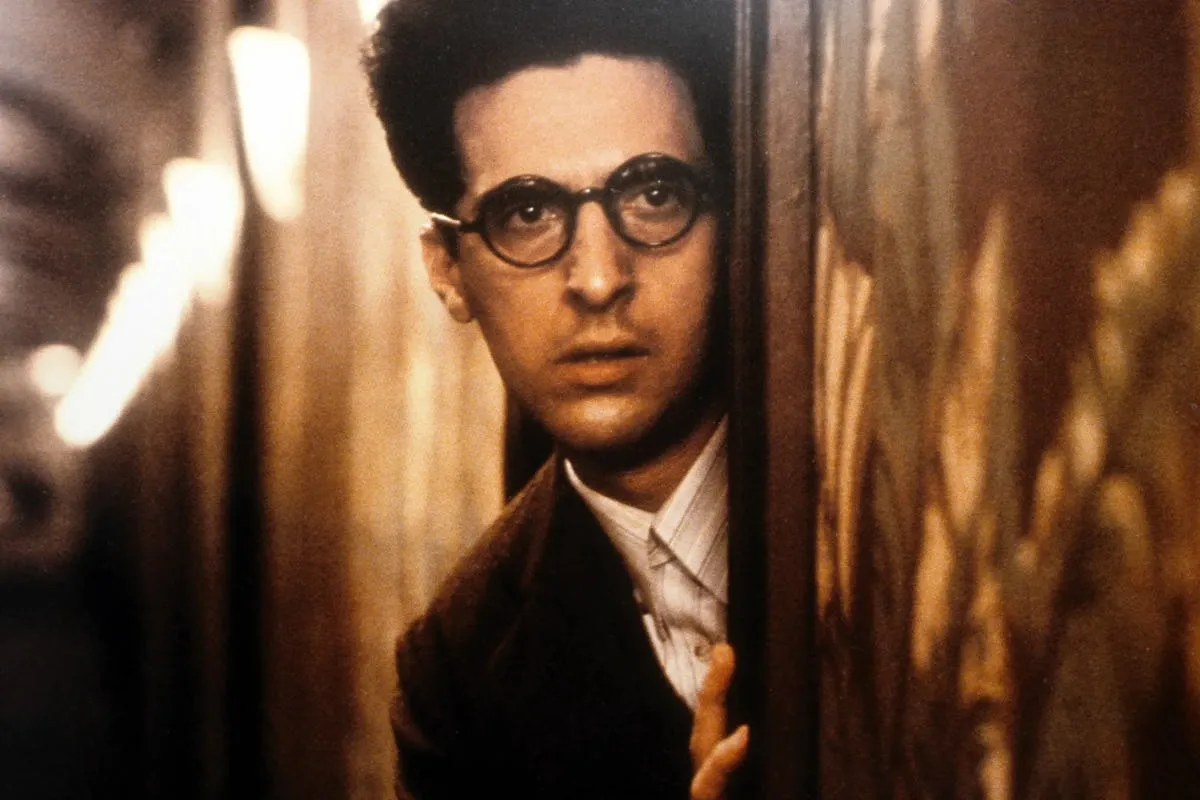
Barton Fink was always a warning. Not about writer’s block or Hollywood greed. The Coen Brothers were tracking something far more patient. They saw a kind of artist who confuses talking about craft with doing it. Fink drones on about giving art to the common man while treating the only working-class man he meets like furniture. Thirty-five years later, that posture has a new name.
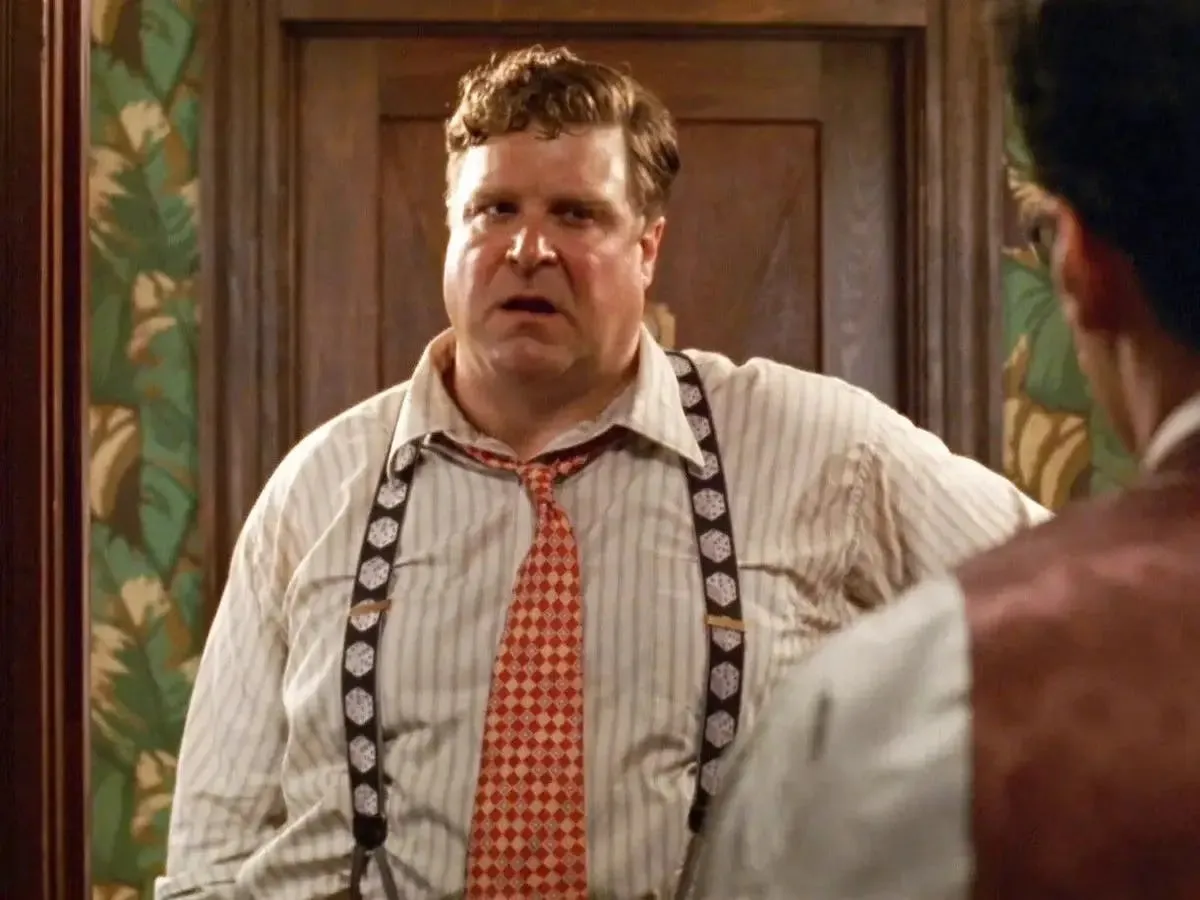
The film came out in 1991, five years before Fargo made the Coens famous. It was written while they were still wrestling with Miller’s Crossing. It lost money. It faded into their filmography. Fink plays against type in a way most viewers never predict. The first hour feels conventional. The second half turns into something else entirely. Joel Coen has said the brothers were teasing critics with layers of symbolism. You can feel it. The hotel is a pressure cooker. Steve Buscemi keeps things odd. John Goodman anchors the relationship at the film’s center.
Now the same question Barton Fink asks is hitting Hollywood at scale. Publishers are stumbling into AI controversies. Amazon is flooded with machine-generated books. Fanfic communities are fighting over whether LLM output counts as writing. R/WritingWithAI communities offer plot generators and AI cover wrappers. The pitch sounds familiar. Make esoteric art accessible. Deliver it cheaply. Serve the common man. Fink made the same pitch about his wrestling script. The boss would replace every writer with a machine in a heartbeat.
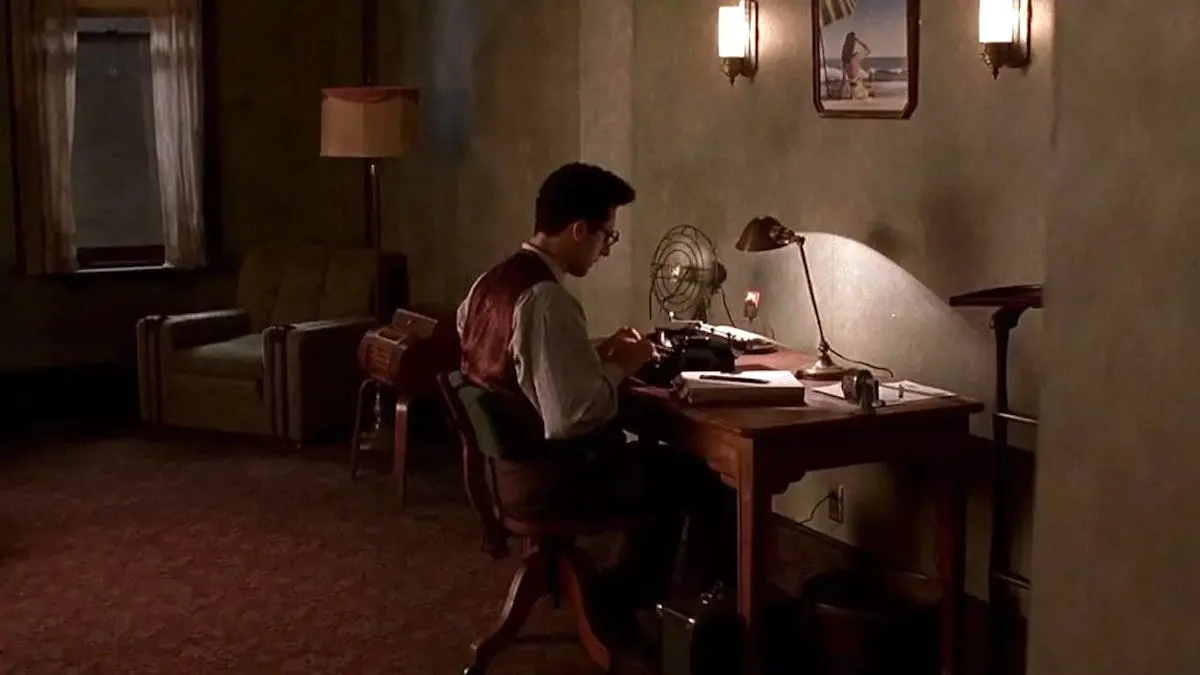
The irony is not lost on anyone who has read the output. Artificial intelligence can mimic structure. It cannot replicate the friction of a real creative process. That friction is where work becomes durable. Barton Fink ignores his wrestling assignment and delivers an echo of his Broadway play instead. It is unusable. It is also, arguably, the only honest thing he produced. The modern equivalent is a polished LLM manuscript that passes every form check and says nothing worth remembering.
Commercial and artistic value are not different domains here. They collapse into the same metric. What sticks is what a human made. We will still be discussing Barton Fink in another thirty-five years. We will not be discussing the thousands of algorithmic scripts being generated this year. The factory that skips the typewriter does not produce stories. It produces content that resembles stories and dissipates on contact with an audience that still craves actual human intention.
Author bio: Lucas Caldwell is a tech opinion leader with millions of followers on X/Twitter, known for sharp cultural critiques at the intersection of film and digital disruption.