
(SeaPRwire) – By: Lucas Caldwell
Hollywood is desperately trying to package youth anxiety into a commodified algorithmic category called Gen Z horror. Studio executives want a clean, repeatable formula to monetize existential dread. But true digital-native terror cannot be easily engineered by legacy boardrooms. It is not about cheap jump scares or predictable slasher tropes anymore. The real horror lies in the endless, flat monotony of modern existence. It is the feeling of being trapped in a permanent, glitching simulation. This is where the indie film market is forced to pivot. The industry must adapt to a generation raised on liminal internet aesthetics. They do not fear monsters. They fear a future that refuses to change.
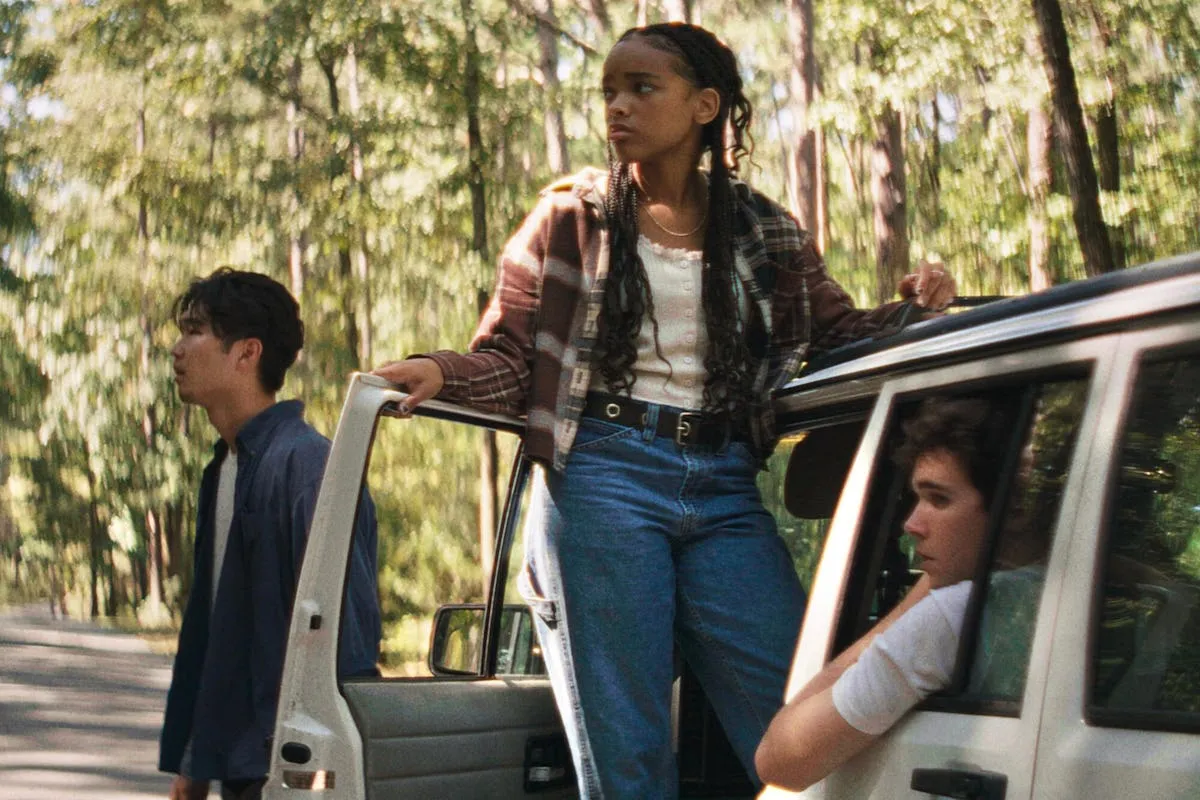
The indie horror film It Ends, distributed by Neon, directly challenges these rigid industry classifications. Director Alexander Ullom rejects the simple formulas of mainstream cinema. The narrative follows recent college graduates Day, Fisher, and James, played by Akira Jackson, Noah Toth, and Phinehas Yoon. Their high school friend Tyler, played by Mitchell Cole, gives them a ride home. A sudden turn down an isolated forest road traps them in an infinite loop. The physical environment mimics the endless digital scrolls of the modern web. They face a terrifying, inescapable transitionary state. This setup strips away traditional cinematic comfort. It forces the characters to confront a literal dead end.
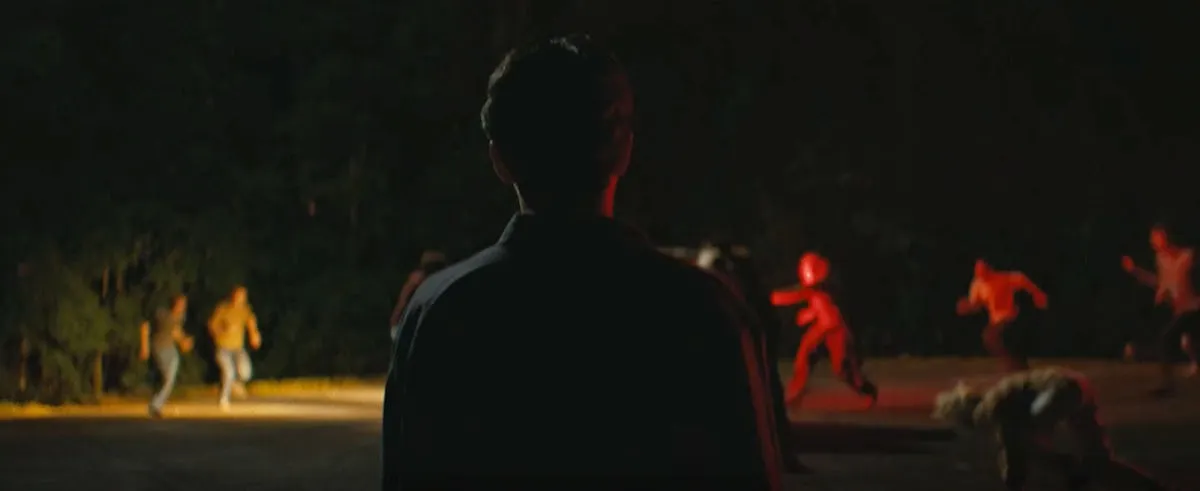
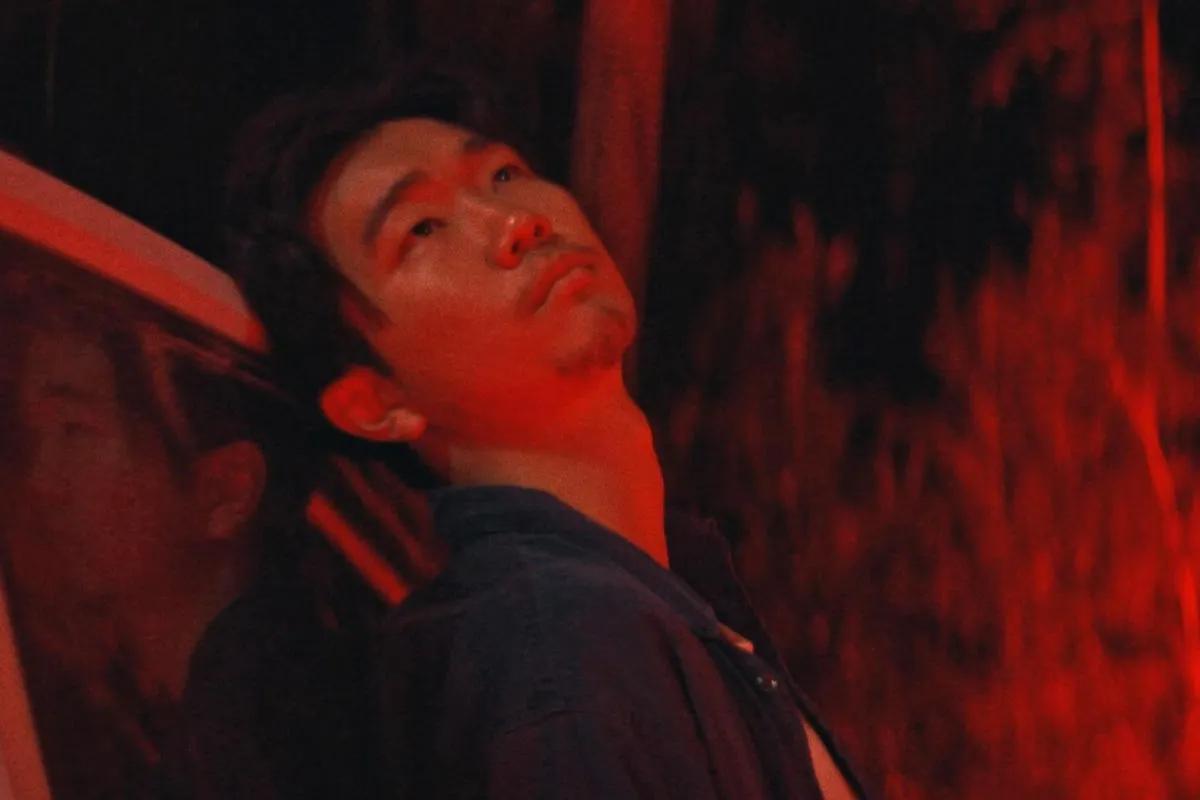
Initial physical threats from strangers in the woods quickly give way to a deeper psychological dread. The characters react not with cinematic heroics, but with ironic memes and detached humor. They dance in the face of their own mortality. Ullom shifts the visual language from dark, frantic close-ups to bright, slow-paced coming-of-age aesthetics. This stylistic transition mirrors the exhausting normalization of global crises. The film captures the exact moment panic dissolves into everyday routine. It reflects a youth culture that live-tweets through its own perceived apocalypse. They make jokes because they have no power to change their destination. Monotony becomes the ultimate antagonist.
Distributors like Neon are capitalizing on the viral success of decentralized internet lore like Backrooms. Traditional studios view these digital spaces as highly profitable, untapped intellectual property. They attempt to map algorithmic engagement metrics onto traditional theatrical release models. Yet, the organic appeal of liminal horror resists corporate standardization. The industry is struggling to bridge the gap between online subcultures and physical box office returns. This tension forces indie filmmakers to operate on razor-thin budgets. They must rely on raw emotional depth rather than expensive CGI spectacles. The market is shifting toward hyper-specific, low-cost psychological thrillers. Audiences want authenticity, not polished studio products.
The battle for youth attention is no longer fought between rival movie studios. Cinema now competes directly with infinite algorithmic feeds and short-form video platforms. Audiences crave media that validates their specific, hyper-localized anxieties about societal collapse. Traditional narrative structures feel increasingly obsolete to viewers accustomed to fragmented digital realities. Filmmakers who embrace this structural decay will capture the cultural zeitgeist. Those who cling to outdated three-act formulas will find themselves ignored. The monetization of existential dread requires a complete overhaul of theatrical storytelling. Studios must learn to sell the feeling of being stuck. There is no escape from the feed.
As legacy media conglomerates continue to chase the fleeting ghost of algorithmic virality by over-packaging internet subcultures, the future of cinematic storytelling will belong exclusively to decentralized, low-budget creators who bypass traditional gatekeepers to build immersive, terrifyingly mundane worlds that directly mirror our collective digital paralysis in a global landscape that has seemingly run out of viable futures, leaving younger audiences to consume their own existential dread on an endless, unskippable loop that no amount of corporate marketing can ever hope to replicate or control.
Author bio: Lucas Caldwell, a tech opinion leader with millions of followers on X/Twitter, specializing in digital culture, algorithmic trends, and the intersection of media and Gen Z behavioral patterns.