

(SeaPRwire) – By: Logan Pierce
Everyone is cheering that movie theaters are “back” in 2026. Box office numbers are up after years of recovery from 2020 lockdowns. Big hits like Spider-Man: Brand New Day and smaller films like Obsession have driven consistent foot traffic. But the recent pre-sale chaos for Dune: Part Three pulls back the curtain on the rotten foundation of this so-called recovery. The chaos isn’t an accident. It’s the end result of years of deliberate choices by theater chains to prioritize profit over regular fans.
First IMAX pre-sales for Dune: Part Three sold out back in April. A second round went live August 18 for advanced screenings on December 14 and 15. That is three full days before the film’s wide release on December 18. Social media is flooded with stories of hours-long waits, crashed ticketing apps, and locked out genuine fans. Scalpers bought up 80 tickets at a time to resell for thousands of dollars. Only 41 to 45 theaters worldwide can screen the IMAX 70mm format, 25 of those are located in the US.
Theater chains rolled out subscriptions like AMC Stubs and Regal Unlimited after the 2020 lockdowns. These plans helped boost attendance and bring lapsed customers back in the door. They also gave chains a convenient excuse to steadily raise base ticket prices for non-subscribers. AMC is already moving forward with plans to roll out “preferred premiere seating”. This new program lets A-List and Stubs subscribers grab the best seats first, before any non-subscribers can access them.
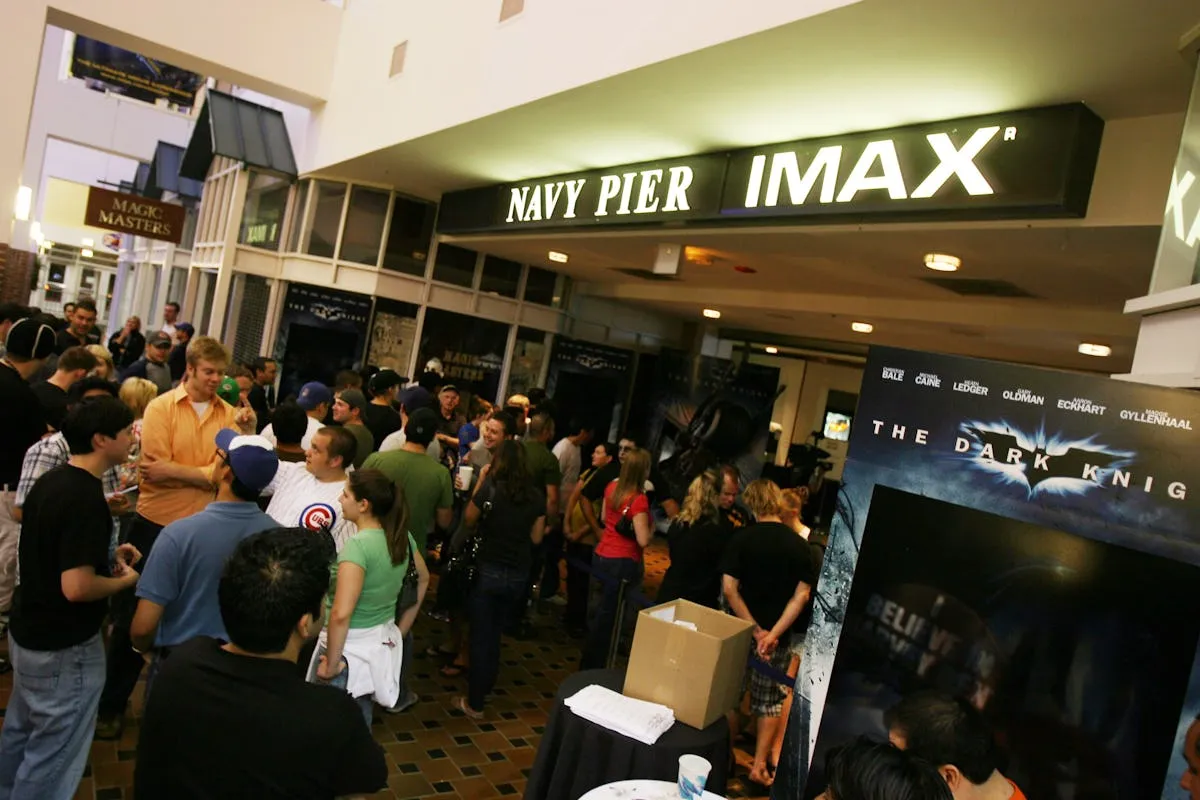
The old camaraderie of camping out for opening night tickets has completely vanished. Back in 1999 for The Phantom Menace or 2008 for The Dark Knight, fans waited together in line. Scalpers existed even then, but most people in line were just dedicated fans sharing excitement. Now the whole ticketing system is intentionally built around manufactured scarcity. Scarcity drives up demand, lets chains push more subscriptions and charge higher premium prices. Fans are pitted against each other and against scalpers, with no shared joy left.
This isn’t a problem unique to Dune: Part Three. Christopher Nolan’s recent blockbuster The Odyssey already dealt with the exact same scalping and scarcity chaos. Theater chains have no real incentive to fix the systemic issue. They earn more revenue from higher ticket prices and more subscription sign-ups from desperate fans. The end result is that seeing a major blockbuster in its intended format becomes an experience only for a privileged elite. Regular fans get left with whatever bad seats are left, if they manage to get any at all.
The next Avengers presale will look exactly like the Taylor Swift Ticketmaster fiasco, and no executive in charge cares enough to stop it.
Author bio: Logan Pierce, independent business researcher covering entertainment industry corporate governance.