

(SeaPRwire) – By: Ethan Gallagher
Look, I’ve sat through a hundred pitch decks where founders promise the moon. But *Silo*’s Season 3 reveal cuts through that noise. It’s not about a single apocalypse. It’s about too many weapons in too few hands. The show finally drops the bomb: the silos exist because of nanotechnology, sure. But more than that, they exist because of human stupidity. Per Stensen, that trillionaire, is not a savior. He’s a symptom.
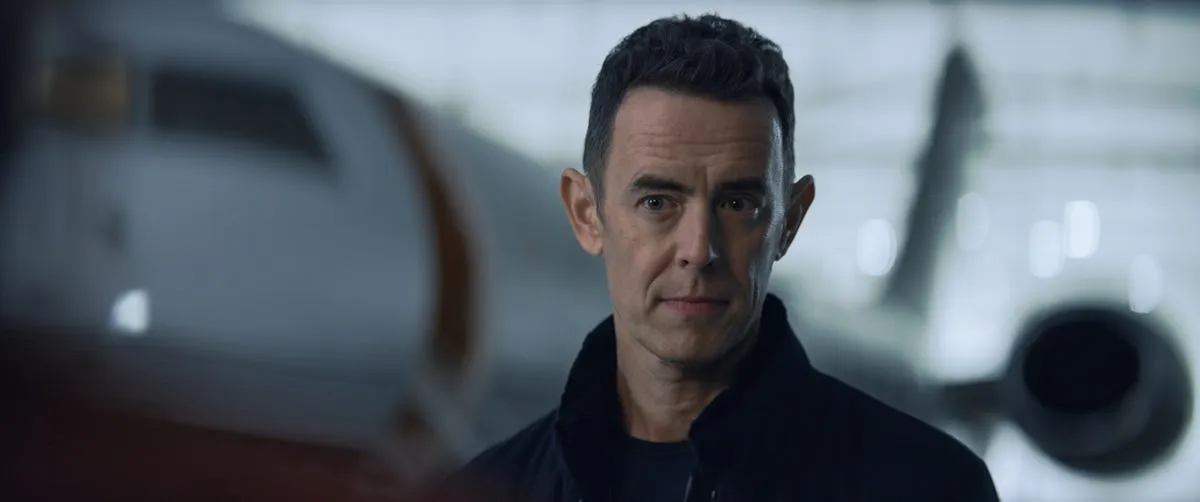
Let’s unpack the raw facts from the episode. The plot centers on a Navy mission led by Charlotte. They hit a nanoweapon facility in Iran. A cloud of nanoweapons takes over her plane in seconds. The contingency plan? The Army Corps of Engineers dug a 75-mile tunnel from Turkmenistan to under that facility. They detonated a low-yield nuclear weapon to blow it up. That’s the cover story. The real reason for the silos comes later. Stensen admits he can’t stop the end. He lists the threats: a troll in a basement hacking missile command, a guy with a CRISPR virus, a $300 nanoweapon that turns everyone into gray goo. Any one of these ends the species.
Now, here is the industry subtext. The show is not about the future. It is about the present. We have this flood of “democratized” tech. 3D printing, gene editing, AI models that can write code for a drone. The barrier to entry for catastrophic failure is lower than it has ever been. Stensen’s list is not fictional. It is a Monday morning briefing at any defense contractor. The difference is that the show frames it as a doomer billionaire’s paranoia. In reality, this is the boardroom conversation. The “gray goo” is a metaphor for systemic risk. We are building a world where a single actor can cause a global reset. The silos are the ultimate “fail-safe” for the ultra-wealthy. It’s a private bunker for the 0.0001%.
The real kicker is the rejection by Helen and Daniel. They choose to die on the surface rather than join the “mole-people party.” That is the only honest take. The silo project is not a solution. It is a admission of defeat. It is a plan to preserve a feudal system underground. The show is laying out the math: if you cannot stop the threats, you build a wall. But the wall creates a new class system. The people inside the silo have no memory of the outside. They are slaves to a history they never knew. Stensen is building a gilded cage.
The hardware world is the same. We see it in the chip supply chain. Everyone wants a “sovereign” fab. Everyone wants to “reshore” capability. But the real goal is control. The silos are the ultimate hardware consolidation. You own the air, the water, the soil. You own the data. You own the people. This is the endgame of the surveillance state. It is not about saving humanity. It is about saving a specific version of humanity that benefits the people in charge. The nanotech is just the excuse. The true motive is power.
So, where does this leave us? Season 4 will show the collapse. We know the silo dwellers are living in a post-event world. The question is which event. The writers are smart to leave it open. The final season will likely reveal that the nanotech escape was inevitable. Stensen’s plan was always a stopgap. The deep insight here is brutal: the biggest threat to civilization is not a weapon. It is the concentration of technology and capital into a single, bored, paranoid mind. The “gray goo” is just a product. The real problem is the manufacturer.
Author bio: Ethan Gallagher, a Silicon Valley Hardware Architect and Infrastructure Strategist who has spent 15 years designing fail-safe systems for data centers and defense labs.