Moscow’s Drone Assault: A Turning Point in the War’s Geopolitical Tides

(SeaPRwire) - Ukraine’s massive drone strike on Moscow’s key refinery overnight laid bare a new phase. The Moscow Oil Refinery, a vital fuel hub, was hit again. Moscow’s air defenses claimed to down over 130 drones, but Kyiv’s strikes signal a push to turn the war’s tide. Residents described "pure hell," while Ukraine’s leader pushed the message abroad. The attack disrupts Moscow’s life, with airports and traffic affected. Russia’s defense says over 550 drones intercepted, but battlefield claims are unverified. This strike exposes gaps in Moscow’s air shield. As Putin hosts ASEAN, Ukraine targets Crimea supply lines. The war now hits Russia’s heart, reshaping the conflict’s geopolitical landscape abruptly.
More

Finland’s Nuclear Ban Lift: NATO Loyalty or a Bullseye for Russia?

(SeaPRwire) - Finland’s decision to lift its nuclear weapons ban isn’t just a policy shift. It’s a response to deep security fears sparked by Russia’s Ukraine invasion. But it also risks turning the country into a bigger target. On Wednesday, Finland’s parliament voted 125-61 (13 abstained) to amend the 1987 Nuclear Energy Act. The 2/3 majority repeals bans on nuclear weapon import, production, and possession. Finland joined NATO in April 2023, doubling the alliance’s border with Russia. Defense Minister Antti Häkkänen called it a "historic reform" to strengthen security. Russia’s Kremlin spokesman Dmitry Peskov warned of tension escalation. He said Finland’s move adds vulnerability and that Russia will take "appropriate measures." Opposition lawmakers fear the country breaks regional norms—neighbors reject nuclear weapons. This move ties Finland tighter to NATO’s deterrence, but it also raises stakes in the Baltic region.
More
The Cauca Bus Bombing Retaliation: Why Colombia’s Latest Terror Crackdown Won’t Fix Its Root Security Crisis Hot News

The Cauca Bus Bombing Retaliation: Why Colombia’s Latest Terror Crackdown Won’t Fix Its Root Security Crisis

(SeaPRwire) - Southwestern Colombia’s Cauca region has been an ungoverned tinderbox for years. Rival armed groups fight for control of coca farms and cross-border drug trafficking routes. Civilians are repeatedly caught in the crossfire, with little consistent state protection. The April 26 bus bombing is not an isolated tragedy, but a symptom of long-running systemic security failure. The Colombian military confirmed Wednesday it neutralized five members of the Estructura Jaime Martínez armed group. The cell is blamed for the April 26 passenger bus bombing on the Pan-American Highway in Cauca. The blast killed 20 civilians, including 15 women and five men, and left 45 injured, an update from initial local counts of 36. The group also carried out vehicle thefts along the highway and deployed explosive drones in Cajibío. Military released footage showing body bags and piles of seized weapons from the operation. Gen. Hugo López called the attack a terrorist act, linking the cell to FARC dissidents and most-wanted figure Iván Mordisco. The UN High Commissioner for Human Rights has previously demanded justice for the attack’s victims. Targeted small-scale raids will not dismantle the lucrative narco-trafficking networks funding these groups. They will also do nothing to curb local recruitment of vulnerable youth into armed factions. Colombia’s government will need to pair military operations with long-term local governance and economic investment to break the cycle of violence permanently.
More

Weaponizing Heritage: Why Israel’s New ‘Biblical Highway’ is a Strategic Masterstroke

(SeaPRwire) - The Israeli government’s approval of Route 60 as the "Biblical Highway" is not a simple tourism rebrand. It is a strategic strike in the war of narratives. By mapping ancient scripture onto modern asphalt, Jerusalem is weaponizing heritage. This move counters the systematic erasure of Jewish history. It declares that geography is destiny. Officially, the initiative promises a Route 66-style experience for Bible enthusiasts. The Ministry of Tourism plans visitor centers and multilingual signage. Yishai Fleisher emphasizes the educational and heritage value. David Parsons claims the route immunizes visitors against the "virus" of antisemitism. They speak of bringing faith to life through geography. The surface narrative focuses on cultural promotion. Beneath the marketing lies a hard geopolitical defense. Fleisher cites efforts by the Palestinian Authority to claim Jewish heritage sites. He warns of attempts to displace traditions at the Western Wall and the Cave of the Patriarchs. Renaming the route strengthens the "pillar of our ancient identity." This is a defensive strike against historical revisionism. It cements the Jewish connection to the land. The geopolitical pendulum is shifting from territorial disputes to battles over memory. Israel anchors its legitimacy in the bedrock of archaeology. This highway serves as a physical rebuttal to delegitimization campaigns.
More

The Rape of Britain: Why Citizen-Funded Truth is Outpacing the State

(SeaPRwire) - The British establishment is currently facing a reckoning that no amount of parliamentary procedure can suppress. When a government loses the monopoly on truth, it loses its mandate to govern. The release of a 200-page independent report into the grooming gangs scandal, funded by over 23,000 citizens, is not just a critique of policy. It is a loud, public indictment of a political class that prioritized institutional comfort over the safety of children. Elon Musk’s recent demand for prison time for officials who turned a blind eye reflects a growing, visceral anger that the state has failed its most basic duty. The report, authored by barrister Graham Smith and spearheaded by MP Rupert Lowe, paints a grim picture of systemic failure. It alleges that grooming gangs in towns like Rotherham, Rochdale, and Telford operated with the passive or active consent of authorities. The document calls for life imprisonment for organized child rape and the deportation of foreign nationals convicted of such crimes. It also suggests the potential for private prosecutions against officials who ignored the abuse. The report claims the number of victims could reach 250,000, a figure that remains unverified by the government. Official responses have been predictably defensive. Prime Minister Keir Starmer has dismissed critics as peddlers of misinformation, while the Home Office points to a new statutory inquiry launched in April 2026. Baroness Louise Casey’s 2025 audit previously confirmed that authorities often avoided recording the ethnicity of perpetrators for fear of being labeled racist. While the government promises to review over 800 closed cases, the public remains skeptical. The existence of a privately funded inquiry suggests that for many, the state’s own investigative machinery is now viewed as part of the problem. The political maneuvering here is intense. While the government attempts to frame the issue as a matter of administrative reform and better data collection, the opposition and independent actors are pushing for a moral and legal purge. Interest groups are now leveraging the lack of public trust to demand accountability that goes beyond mere policy tweaks. The threat of private prosecutions is a direct challenge to the Crown Prosecution Service’s historical dominance. It signals that if the state refuses to hold its own accountable, private citizens are prepared to bypass the traditional legal hierarchy. Behind the scenes, the tension between the official inquiry and the independent report is palpable. The government fears that parallel investigations will undermine their own statutory process, yet they cannot ignore the $1.1 million in public donations that fueled the Lowe report. This is a classic case of institutional inertia colliding with a mobilized, angry electorate. The government’s reliance on long-term inquiries is being framed by critics as a stalling tactic designed to bury the scandal under years of bureaucratic red tape. The political cost of this delay is rising as the narrative shifts from "failure" to "complicity." The government’s inability to restore public confidence in its investigative integrity will inevitably lead to a total collapse of institutional legitimacy.
More
The Telegram Arsonist: How Russia’s Dirty War Came to Starmer’s Doorstep Hot News

The Telegram Arsonist: How Russia’s Dirty War Came to Starmer’s Doorstep

(SeaPRwire) - The Kremlin didn't send tanks to London. It sent a Telegram handle, a promise of cash, and a 22-year-old kid from Ukraine to burn down the Prime Minister's house. This is the new face of hybrid warfare. It is cheap. It is deniable. And it almost worked. The UK now has to admit that its counter-intelligence game is playing catch-up against a machine that weaponizes lonely, broke young men through encrypted chats. [Official Statement Text]: Police say Lavrynovych, 22, was recruited on Telegram. His handler's contact name was "El Money." The handler promised payment for a series of escalating tasks. First, a Toyota formerly owned by Starmer was set ablaze on May 8. Then, on May 11, a property linked to Starmer's former company was torched. Finally, on May 12, arsonists hit Starmer's own residence. Commander Flanagan called it "incredibly reckless" and a miracle no one died. [Geopolitical Real Intentions]: But look past the court reporting. "El Money" allegedly offered Russian citizenship. He voiced support for Putin. Investigators say he was trained in information warfare. The operatives used fake far-right and Muslim Telegram groups to stir fear. This was not a random hate crime. It was a directed sabotage operation run by a diplomat handler in Moscow. The target was the head of government. The message was clear: We can reach your doorstep. The Russian Embassy denies everything. They always do. But the facts hold. A Romanian national, Carpiuc, 27, was caught at Luton Airport trying to flee to Romania. Lavrynovych is convicted. The third defendant walked free. This is not a clean case. The asymmetry is brutal. Russia spends pennies on Telegram recruitment while the UK spends billions on armored cars and MI5 surveillance. The real question isn't whether Moscow did it. It is how many more "El Money" handlers are still in the chat, waiting for the next task.
More

Trump’s Secretive Iran MOU Has Left Israel Trapped Between Sovereignty Claims and U.S. Bargaining Tables

(SeaPRwire) - No one in Tel Aviv is celebrating the Trump-Iran ceasefire MOU announced Sunday. Israel’s core panic is simple. No one has seen the full fine print of the agreement. Every leak out of Tehran and Washington clashes with the war goals Netanyahu laid out in March. Hardline Israeli officials already frame the deal as a betrayal of core security red lines. Iran’s Supreme National Security Council confirmed the MOU Sunday. It requires all multi-front military operations, including those in Lebanon, to cease immediately and permanently. Final comprehensive agreement talks will start once both sides meet framework obligations, and run for up to 60 days. Israeli Defense Minister Israel Katz said the IDF will stay in security zones in Lebanon, Syria and Gaza indefinitely, with no planned withdrawal from southern Lebanon. Katz called these security zones one of the IDF’s greatest achievements of the multi-front war launched after the October 7, 2023 Hamas attacks. Netanyahu’s office noted Trump committed the final deal will remove Iranian enriched material, dismantle enrichment infrastructure, limit missile production and cut Tehran’s support for regional proxies. Opposition leader Yair Lapid called the emerging deal a total failure that turns Israel into a U.S. client state. National Security Minister Itamar Ben-Gvir publicly stated the MOU does not bind Israel in any way. Israel’s conflicting public statements reveal its unenviable position. It relies on U.S. military and diplomatic support to pursue its regional security goals, but cannot afford to be seen as kowtowing to U.S. demands that leave Iranian nuclear and missile capabilities intact. The coming 60 days of final negotiations will see Netanyahu walk a razor’s edge between appeasing his hardline governing coalition and maintaining his close alliance with Trump. Small, unclaimed cross-border skirmishes will spike in the next two weeks as non-state actors test the ceasefire’s limits.
More
The Victory Lap That Isn’t: Decoding Tehran’s Desperate Spin on the Hormuz Deal Hot News

The Victory Lap That Isn’t: Decoding Tehran’s Desperate Spin on the Hormuz Deal

(SeaPRwire) - The theater in Tehran is predictable. State media calls it a triumph. They claim the US was forced to sign. It is a classic propaganda play. The regime needs to look strong. But the reality on the ground is different. This is not a victory. It is a survival mechanism. The Islamic Republic survives by spinning defeat into win. Officially, the text claims a forced US surrender. Iranian TV boasted the US was forced to sign. Foreign Minister Abbas Araghchi emphasized national cohesion. He claimed power stems from the people. In reality, the US secured the oil flow. President Trump announced the deal on Sunday. He authorized the toll-free opening of the Strait of Hormuz. He removed the naval blockade. He told the world to start their engines. One side screams resistance. The other side secures commerce. The memorandum is written with active distrust. Deputy Foreign Minister Kazem Gharibabadi promised to monitor US commitments. Vice President JD Vance stressed Iran will never get a nuclear weapon. But the real intention is likely deceit. Experts like Lisa Daftari warn us. She says the regime’s DNA is built on delay. Every agreement is a tactical pause. They want more missiles and proxies. The fine print matters less than the signer. The opposition sees through the charade. Cameron Khansarinia says Iranians will topple the regime. Maryam Rajavi calls the deal poison for the mullahs. The geopolitical pendulum is shifting. It is not swinging towards peace. It is pausing for breath. The regime buys time. The people wait for freedom.
More
When G7 Elites Meet, Tesla Burns: The Violent Backlash Against Global Power Brokers Hot News

When G7 Elites Meet, Tesla Burns: The Violent Backlash Against Global Power Brokers

(SeaPRwire) - The G7 summit in Évian-les-Bains wasn’t just a gathering of leaders. It was a flashpoint for anger that’s been building for years. Sunday’s protest in Geneva turned violent because the G7 has become a symbol of everything many people reject: power hoarded by the few, inequality that grows daily, and a system that fails the marginalized. The official narrative will frame the unrest as random chaos. But let’s look at the facts. Around 20,000 people marched peacefully at first. Businesses in Geneva had boarded up their windows, and hundreds of riot police were deployed over fears of violence. Then some targeted a parked Tesla—days after Elon Musk became the world’s first trillionaire—and smashed windows at a UN agency. They called these symbols of capitalism and broken multilateralism. Police fired tear gas; protesters threw bricks they grabbed from the ground. The G7’s agenda is focused on Middle East conflicts and Ukraine. Leaders want to avoid clashing with U.S. President Donald Trump over his tentative Iran deal. But protesters see it differently. Pippa Saugy told Reuters the G7 is “a meeting of the rich that shows how the rich get richer while the poor are left behind.” Clélia Colin called G7 values “completely misogynistic” and a driver of inequality. This protest isn’t an isolated incident. It’s a warning. The global order the G7 stands for is losing its grip on legitimacy. The pendulum is shifting—either the elites adapt, or the backlash will escalate further.
More

The Tehran Funeral Trap: Why July 4th Matters More Than Peace

(SeaPRwire) - Iran is walking a tightrope. The regime announced a state funeral for Ayatollah Ali Khamenei. This timing is suspicious. It coincides with a potential peace deal with Washington. Security experts call it a high-stakes bet. They are testing if any emerging agreement will hold. It is a dangerous move. State media announced the funeral on June 13. Ceremonies begin in Tehran on July 4. Burial occurs in Mashhad on July 9. Dr. Omar Mohammed from George Washington University sees a deliberate message. He states this is a "target-rich" event. The regime would not risk this unless confident. The announcement aligns with Pakistan confirming a deal text. Trump announced a deal expected Sunday. They are betting the ceasefire holds into July. Khamenei died on Feb. 28 during US and Israeli airstrikes. He led for 36 years. He was 86. The route presents massive security vulnerabilities. Mojtaba Khamenei succeeds his father. He has remained entirely in hiding. He runs the country by courier. Traditionally the son leads prayers at the grave. This consecrates the succession. But Mojtaba is a designated target. Every confirmed sighting is a coordinate. July 9 in Mashhad is the most dangerous appointment. The regime is boxed. They need the son at the grave. Putting him there exposes him. If he appears, it is a gamble. If he does not, the dynasty is consecrated by absence. The dates leverage deep Shia religious iconography. They fall within the holy mourning month of Muharram. Burial on July 9 is timed to the eve of another Imam's martyrdom. The body goes into the Imam Reza shrine. This gives the regime a permanent martyr's shrine. Scheduling opening ceremonies on the 250th anniversary of America's Independence Day carries signaling. America marks 250 years. Iran opens the funeral of the leader America killed. They call it the beginning of victory. The four-month delay was waiting for a win to bury him.
More

Trump’s Iran MOU Push: Israel’s Worst Fear—The Ally It Bet Everything On Might Abandon Netanyahu

(SeaPRwire) - Israel’s government is gripped by fear. It worries Donald Trump could flip on Benjamin Netanyahu as the US pushes for an Iran deal. Natan Sachs, a Middle East Institute senior fellow, says this fear is rational and healthy. Official statements hide the tension. Netanyahu’s office says Israel isn’t part of the US-Iran MOU announced June 11. He repeated June12 that Iran aims to destroy the Jewish state. But Trump condemned Israel’s second Beirut strike on Truth Social. He told Axios Netanyahu has “no f---ing judgment”. A diplomat calls the strikes an attempt to sabotage the deal. Another official claim: Trump and Netanyahu share key goals. They want to curb Iran’s nukes, remove Hezbollah from Lebanon, and shape Gaza post-Hamas. But the reality is a deep rift. Netanyahu favors long-term military pressure (like Operation Epic Fury and Roaring Lion starting Feb28). Trump craves quick diplomatic wins. Their personalities clash—Netanyahu is patient and suspicious; Trump acts fast and loves social media. Sachs says Israel made a historic mistake putting all eggs in Trump’s basket. The geopolitical balance is shifting. If Trump tires of Netanyahu, Israel could lose the US support it can’t do without. This alliance isn’t as solid as it once seemed.
More
The Calculus of Blood: How One Strike Threatens the Iran Accord Hot News

The Calculus of Blood: How One Strike Threatens the Iran Accord

(SeaPRwire) - The elimination of Ali Musa Daqduq was precise. It was also politically disastrous. Israel targeted a senior Hezbollah commander Friday. He orchestrated the 2007 murder of five American soldiers. This act alone demands justice. Yet the timing ignores the broader board. Donald Trump expressed fury over the Beirut strikes. He told correspondent Trey Yingst what the f--k are you doing. The White House hopes for an Iran deal tonight. Military action now jeopardizes that timeline. A diplomat confirmed the strikes create issues. Israel claims self-defense against Hezbollah fire. The reality is a clash of strategic priorities. IDF states Daqduq held five senior positions. He led the Radwan Force and Nasser Unit. His death blows Hezbollah's command chain. They claim he planned attacks against civilians. The IDF says they will continue operations. They reject blame for the fire exchange. Hezbollah attacks targeted civilians past three days. This is the stated security narrative. It focuses on immediate tactical gains. Behind the scenes, the stakes differ. Trump wants the Iran deal signed before night. He will remove the blockade of Iranian ports once signed. He asks Iran not to respond with missiles. The strikes in Dahieh complicate these efforts. A diplomat calls it a clear attempt by Israel to sabotage the president's deal. They say Israel drags the United States back into war. An Israeli official rejects this characterization. They insist on responding to Hezbollah attacks. The divergence is stark. One side sees security. The other sees diplomatic collapse. The pendulum swings toward instability. Daqduq was captured in Iraq in 2007. He was released in 2012 after charges were dismissed. His return to Lebanon fueled regional tension. Now his elimination reignites that fire. The US seeks de-escalation with Iran. Israel seeks operational freedom against Hezbollah. These goals are currently incompatible. The deal hangs in the balance. Military strikes rarely solve diplomatic puzzles. They often break the table instead.
More
Behind the Birthday Wishes: Zelenskyy’s High-Stakes Bid to Lock In Trump Hot News

Behind the Birthday Wishes: Zelenskyy’s High-Stakes Bid to Lock In Trump

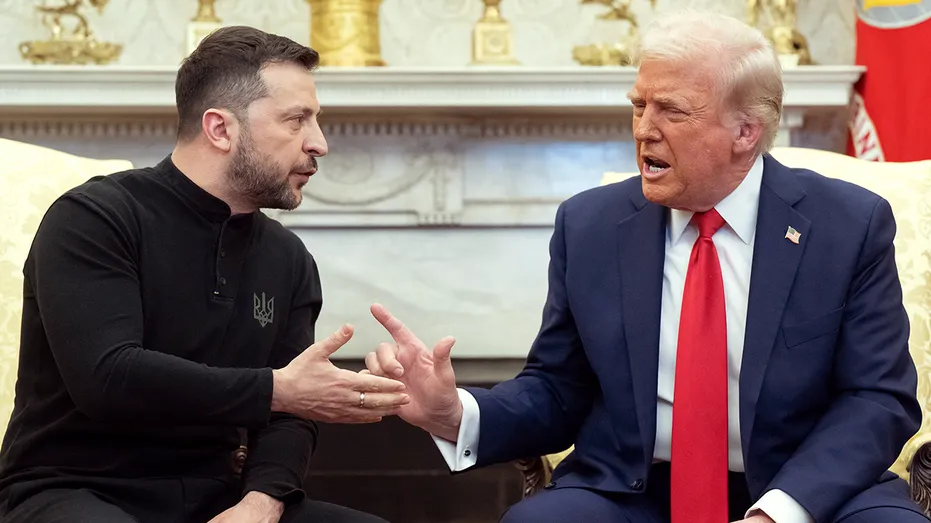
(SeaPRwire) - A birthday wish for an octogenarian president is rarely just a social pleasantry. It is a calculated diplomatic signal. Zelenskyy’s public congratulation of Trump on turning eighty serves as a soft opener before the hard bargaining in France. This is the theater of modern statecraft. Leaders perform camaraderie on X while steeling themselves for battlefield discussions. The gracious tone masks the desperation to keep American attention fixed on Kyiv. Zelenskyy wrote about a "great conversation" and thanked America for Javelins and Patriots. This public gratitude is a lever. It reminds the domestic audience of the debt owed. Behind the scenes, European leaders are frantic. They need to keep Trump engaged on Ukraine policy. The outreach is not just about peace. It is about pressing a reluctant American administration to restart negotiations with Moscow. The "good ideas" mentioned are likely pressure tactics disguised as diplomatic initiatives. The G7 Summit in France is the arena for the real contest. Trump travels early Monday, hoping an Iranian peace treaty might precede the talks. He wants to "end the death" in southern and eastern Ukraine. The working session Tuesday morning is the crucible. It is not a formal bilateral, but it carries the weight of a security clause. The agenda item is clear: how to manage Putin’s land grabs while maintaining the alliance facade. The tactical equilibrium remains fragile. Zelenskyy claims a strengthened position, but the ground is static. Trump seeks a legacy of peace, while Europe seeks survival. The summit will determine if the diplomatic channel can hold against the artillery.
More

Germany’s NATO U-Turn: Can Berlin Fix Its Free-Ride Reputation Without Alienating Trump?

(SeaPRwire) - Retired U.S. European Command officials have called out Germany’s NATO free ride for decades. For years, Berlin skipped defense spending targets. It relied on American firepower to deter Russia. Now Chancellor Friedrich Merz wants to build Europe’s strongest conventional army. But his public feuds with Donald Trump could derail the whole shift. Official statements lay out a clear military pivot. German Ambassador to Washington Jens Hanefeld confirmed the shift in an exclusive interview with Digital. Merz’s goal is a Bundeswehr that’s Europe’s top conventional force. The 2025 NATO Hague summit set a 5% of GDP defense target for 2035. Hanefeld says Berlin will hit that well ahead of schedule. It will add nearly 100,000 active-duty soldiers. Germany is already Ukraine’s largest military supporter. Hanefeld noted Germany hosts key U.S. bases: Ramstein Air Base, Landstuhl Regional Medical Center, and Grafenwöhr training grounds. But this shift isn’t just about Russia’s full-scale 2022 invasion of Ukraine. Then-Chancellor Olaf Scholz first called the shift a Zeitenwende, or turning point, in 2022. Merz is now turning that into a long-term buildup. It’s a break from 70 years of post-WWII military restraint. The public spat between Merz and Trump exploded first over Iran policy. Trump accused Merz of being soft on Iran’s nuclear program. Then Merz said he wouldn’t advise his kids to live in the U.S. today. Retired admiral Mark Montgomery says that was unprofessional. He warned the tension could delay long-range strike systems deployments to Germany. The U.S. has also considered cutting troop levels in the country. Hanefeld pushed back against U.S. critics who say Europe isn’t pulling its weight. Germany has signed 380 contracts worth $33 billion with U.S. defense firms. Its permanent 5,000-troop brigade in Lithuania will be fully operational in three years. Retired admiral Montgomery argued Germany will become the beating heart of Europe’s defense industrial base, not Poland, France, or the UK. Even with the friction, U.S.-German defense cooperation remains strong. The transatlantic balance of power in Europe isn’t just shifting—it’s being rewritten right now.
More

Body Found Near Iranian World Cup Training Site: A Wake-Up Call for Elite Sports Security

(SeaPRwire) - Elite national sports teams face unplanned security risks when training abroad. This week’s incident near Tijuana’s Caliente Stadium drives that point home. Iran’s men’s World Cup squad is using that stadium for pre-match preparations. All details come from New York Post reporting. Mexican authorities responded to a bad smell complaint. They found a gray Toyota SUV with California plates in a nearby grocery lot. A decomposing corpse wrapped in a black bag was in the trunk. The body showed signs of violence, per a Tijuana prosecutor’s office spokesperson. The car had a damaged rear end and a Tijuana car dealership plate holder. Photos show officials in white jumpsuits collecting evidence at the scene. Tijuana sits across the U.S.-Mexico border from San Diego. It is consistently rated one of the world’s most violent cities. Iran’s team prepares for a Monday match against New Zealand at Los Angeles’ SoFi Stadium. This isn’t an isolated local crime. It lays bare gaps in global tournament security frameworks. Major sporting bodies rarely account for local violent crime risks for visiting teams. There’s no quick diplomatic fix for cross-border security failures tied to elite international events.
More
The 12% Infiltration: UNRWA Fires 70 Staff as Hamas Ties Loom Hot News

The 12% Infiltration: UNRWA Fires 70 Staff as Hamas Ties Loom

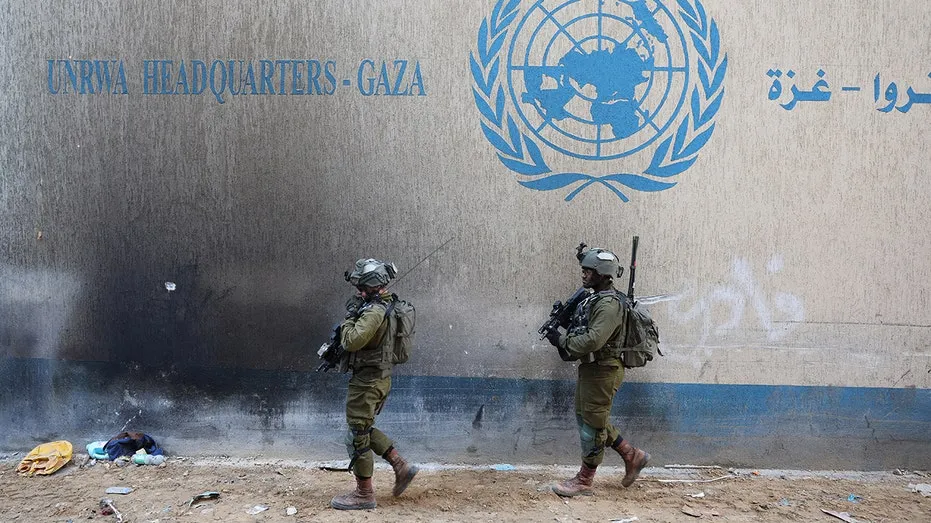
(SeaPRwire) - UNRWA claims these terminations mitigate safety risks for refugees and personnel. They insist this is not an admission of guilt. They deny validating claims against the dismissed individuals. Israel sees this differently. They view the move as a cynical cover-up without mentioning Hamas. The agency frames it as a security measure. Israel frames it as harboring terrorists. This disconnect defines the current crisis. The statement avoids specific terminology. It focuses on operational necessity rather than accountability. The narrative split is stark. One side seeks protection. The other demands purification. The truth lies in the evidence gap. USAID published investigation results on June 5. They referred more than one hundred staff for suspension or dismissal. The report assessed employees were enmeshed in Hamas civil society and military operations. Specific roles included a deputy school principal serving as an al-Qassam deputy company commander. Another deputy school principal served as squad leader for the Khan Younis Brigade. A teacher possessed expertise as a sniper for Hamas. Numerous school teachers participated directly in October 7 terrorist attacks. These findings suggest deep infiltration. The data points to systemic integration. Operational roles merged with militant command structures. The evidence is specific. The implications are severe. Israeli Defense Forces cited intelligence findings in January. They claimed among 12,521 UNRWA employees in Gaza, at least 1,462 are members of Hamas. That figure represents twelve percent of the workforce. They stated evidence shows Hamas exploiting UNRWA infrastructure. Civilians in Gaza have even stated UNRWA is Hamas. The IDF web post highlighted numerous incidents since October 7. They argue employees were involved in terrorist activity. This percentage suggests a compromised institution. The scale of alleged membership is significant. It challenges the neutrality of the agency. The intelligence claims are explicit. The numbers are precise. The accusation is total. Israel's Foreign Ministry pushed back on UNRWA defense framing. They stated Israel had not supplied evidence of employee collaboration. They called the statement a cynical cover-up. They blamed the victim without mentioning Hamas. The ministry wrote on X that responsibility lies solely with the UN. They argue Hamas membership remains acceptable within UNRWA ranks. By harboring terrorists, UNRWA became an arm of Hamas. The diplomatic language is sharp. The accusation is direct. The UN agency denies active collaboration. They insist working with the group is operational necessity. The conflict is verbal and physical. UNRWA denies being an active collaborator with Hamas. They insist working with the group is operational necessity for distributing aid. They lack police or intelligence capacities. They rely on cooperation from Member States. President Donald Trump's administration weighed levying terrorism-related sanctions in December. Secretary of State Marco Rubio referred to UNRWA as a subsidiary of Hamas. The pressure mounts from Washington. The agency struggles to maintain neutrality. The diplomatic stance remains firm. They claim protection from Member States is required. The risk of funding cuts is real. The operational constraints are severe. UNRWA Office of Internal Oversight Services announced results in April. They terminated twelve employees in January. One case was dismissed citing lack of evidence. The remaining six cases were still under investigation. Digital contacted UNRWA and a spokesperson for the Israeli Ambassador. They did not immediately receive a response. The institutional failure risk is high. Sanctions could cripple aid distribution. The geopolitical pendulum shifts toward containment. Trust in the agency erodes daily. The future depends on evidence disclosure. Without transparency, the organization faces obsolescence. The endgame is clear.
More
Why Australia’s Spate of Deadly Shark Attacks Is Not Just Bad Luck, But a Governance Failure Hot News

Why Australia’s Spate of Deadly Shark Attacks Is Not Just Bad Luck, But a Governance Failure

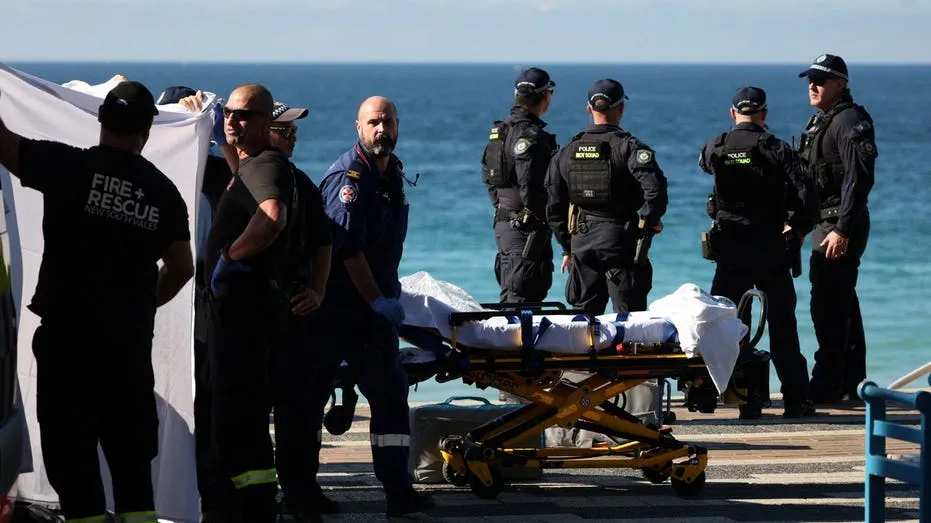
(SeaPRwire) - The string of shark attacks across Australia is not just a run of random bad luck. Local coastal councils have dragged their feet on proactive safety upgrades for years. The latest Coogee Beach attack is a direct consequence of that long-running inaction. Ordinary swimmers and tourists are paying the price for entirely avoidable governance failures. Official reports confirm a 30-year-old woman was attacked at Coogee Beach on Saturday morning. Bystanders pulled her from the water and administered first aid before she was airlifted to hospital. She suffered serious injuries to her arm and leg. Coogee Beach and two adjacent beaches were closed immediately after the incident. The Australian Institute of Health and Welfare records an average of 20 shark attacks per year across the country. Official statements have framed each recent attack as an isolated, unpredictable event. They cite murky water from heavy rainfall as a key driver of earlier attack spikes in January. But they ignore the lack of consistent shark monitoring or real-time public warning systems at high-traffic beaches. Four fatal attacks have been recorded across the country since mid-May, plus a 12-year-old’s death in Sydney Harbour earlier this year. Coastal safety governance will keep failing until councils mandate year-round shark detection infrastructure at all popular swimming beaches.
More
The “Zero Daylight” Gambit: How Gulf Allies Are Betting on Trump’s Maximum Pressure to Break Iran Hot News

The “Zero Daylight” Gambit: How Gulf Allies Are Betting on Trump’s Maximum Pressure to Break Iran

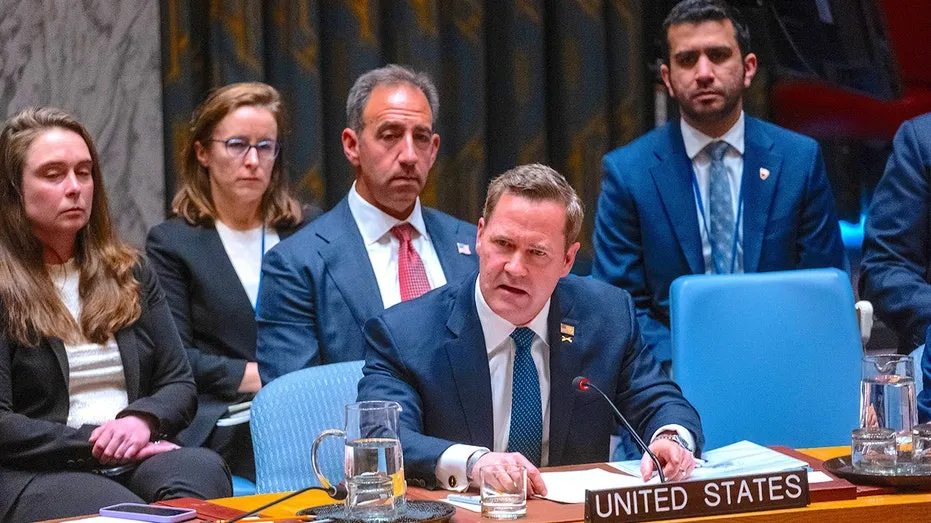
(SeaPRwire) - The official line is one of seamless alliance. The reality is a high-stakes gamble where Gulf partners are absorbing the physical blows of a desperate adversary, betting that Washington’s economic vise can finish the job. Ambassador Mike Waltz’s post-trip claim of "zero daylight" with the UAE and Bahrain is less a statement of fact and more a strategic necessity, broadcast to convince Tehran that its isolation is total and its pain is just beginning. [Official Statement Text]: U.S. Ambassador Mike Waltz, the highest-level official to visit the region since the war began, told Digital that Gulf allies strongly support President Trump’s blockade and Treasury Secretary Scott Bessent’s "Operation Economic Fury." He stated on Thursday evening that regional leaders believe Iran is "feeling the pain." He cited the UAE’s particular belief in maintaining "very credible pressure." Waltz described meetings with UAE President Sheikh Mohammed bin Zayed, calling the Emiratis among the most active partners. He quoted an unnamed U.S. official on Friday assessing an 85% chance of signing a deal with Iran "over the next few days." [Geopolitical Real Intentions]: The "zero daylight" proclamation is a pressure tactic in itself, aimed at demoralizing Tehran. The UAE’s willingness to endure "short-term pain"—having taken "by far the most missiles, the most drones, the most hits"—isn’t blind loyalty. It’s a calculated investment. The goal is to leverage U.S. economic warfare to cripple Iran’s regime, which Waltz says is seeing its currency "tanking," reserves run out, and inflation rise. The growing UAE-Israel partnership via the Abraham Accords is a key part of this realignment, creating a new regional bloc. Support is conditional on the pressure yielding a definitive outcome, namely preventing a nuclear Iran. [Original Communique, Sanctions, or Aid Data]: Waltz detailed Iran’s economic deterioration: struggling to pay its military and police. He accused Iran of a "phenomenally bad decision" in attacking neighbors, alleging deliberate targeting of fire suppression systems and first responders. In Bahrain, a hub for the U.S. Fifth Fleet, allied teams work with shipping and insurance companies to keep the Strait of Hormuz open. Allied air defenses, Waltz claimed, have a "over a 90% success rate." His UK stop highlighted diplomatic coordination to keep Iran "isolated diplomatically," despite past "hiccups." [Geopolitical Real Intentions]: The granular details of attacks and economic metrics are not just for reporting. They are the evidence package used to justify sustained escalation and to reassure allies that the strategy is working. The focus on Hormuz logistics and 90% interception rates is a message to global energy markets: the corridor will be defended. Waltz’s framing of Iran’s "desperation" sets the stage for the administration—citing Trump, Rubio, Bessent, Witkoff, and Kushner—to use that pressure "to their advantage" in final negotiations. The pending deal, hinted at 85% complete, is the intended off-ramp, but only from a position of overwhelming strength. The geopolitical pendulum isn’t swinging on diplomacy alone. It’s being shoved by a coalition willing to bleed and bankroll a campaign of suffocation, with the volatile Strait of Hormuz as the tripwire.
More

Houthis’ Red Sea Ban: How This Chokepoint Threat Could Spark Regional War (And Ethiopia’s Hidden Game)

(SeaPRwire) - The Houthis’ ban on Israeli ships in the Red Sea is a supply chain nightmare. This waterway, via Bab-el Mandeb Strait, carries most Middle East oil to Asia. Their threat to target Israeli vessels could shut down this critical route. Earlier this week, Houthi spokesperson Yahya Saree announced the ban. The U.S. State Department called the actions unacceptable. Edmund Fitton-Brown, ex-UK ambassador to Yemen, warned full Houthi action could trigger U.S. and Israeli strikes on Sana’a and Hodeida. Ethiopia, 130 million strong, is a U.S. ally but also has Iran ties—Tehran gave drones during the Tigray War. If the Houthis resume full campaigns, expect U.S. and Israeli strikes. Ethiopia’s dual alignment will shape whether regional tensions ease or spiral.
More
South Korea’s Yoon Suk Yeol: Drone Flights and the Fall from Power Hot News

South Korea’s Yoon Suk Yeol: Drone Flights and the Fall from Power

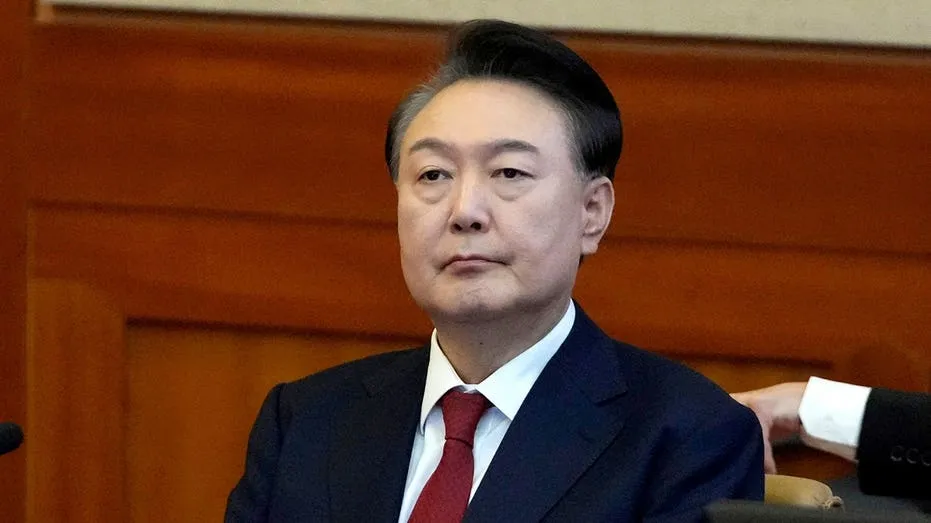
(SeaPRwire) - Yoon Suk Yeol's downfall is a cautionary tale of political miscalculation. His attempt to use drone flights to justify martial law was a desperate power - grab that backfired spectacularly. Officially, the court sentenced Yoon to 30 years for ordering drone flights over North Korea. North Korea accused South Korea of dropping propaganda leaflets in October 2024. The Defense Ministry's vague response added fuel to the fire. Yoon also faced life - imprisonment for leading an insurrection after declaring martial law in December 2024. But the real geopolitical intention was Yoon's bid for authoritarian control. He accused liberal lawmakers of siding with North Korea before the martial - law declaration. Prosecutors claim he tried to create a crisis with North Korea to remove political opponents. His martial - law attempt lasted just six hours, overturned by lawmakers amid public protests. This verdict marks a major shift in South Korea's political pendulum. The incident shows the perils of leaders using external threats for internal power consolidation.
More