Pope Leo’s Canary Islands Visit: Why His Migrant Advocacy Is Igniting Spain’s Political Firestorm Hot News

Pope Leo’s Canary Islands Visit: Why His Migrant Advocacy Is Igniting Spain’s Political Firestorm

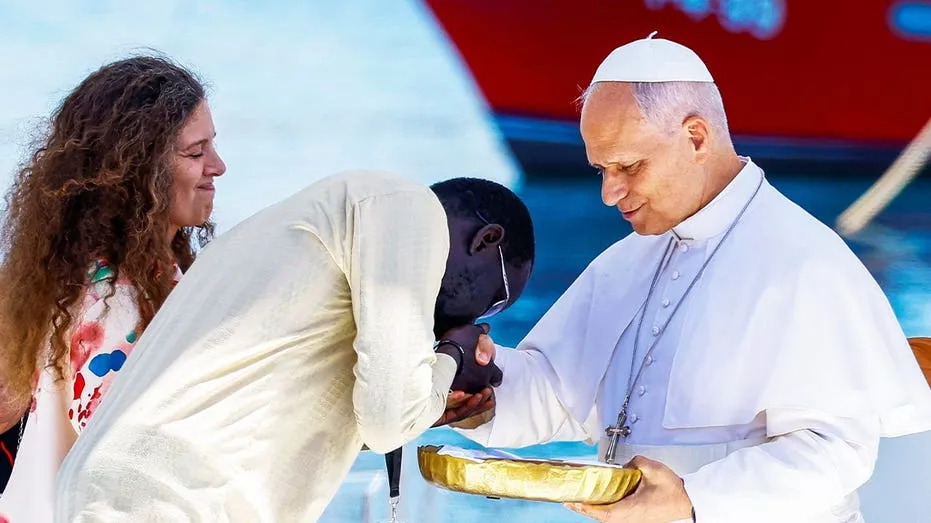
(SeaPRwire) - Pope Leo XIV’s trip to Gran Canaria isn’t just a religious mission—it’s a deliberate play in Spain’s immigration culture war. Days after criticizing Europe’s policies in parliament, he’s standing on the front lines of the crisis, forcing politicians to take a stand. Gran Canaria is a key entry point for African migrants. Over 3,000 died trying to reach it in 2025 alone, per NGO Caminando Fronteras. The Port of Arguineguin, once labeled the "Dock of Shame," saw 1,000 stranded migrants in 2020. Leo met with migrants there, bowing to their dignity and calling for safe legal pathways. Spain’s socialist government has liberalized migration rules. In April, it approved legal status for 500,000 undocumented migrants. But the Canaries’ migrant numbers have surged—from under 1,000 in 2015 to 46,843 in 2024, Reuters reports. Conservative Vox party leader Santiago Abascal fired back at Leo’s parliament speech. He cited Vatican City’s strict anti-illegal immigration policies—fines, imprisonment, bans for violators—and demanded Spain adopt the same. This isn’t just policy; it’s a battle for voter loyalty in a divided country. Charities and rescuers see Leo’s visit as validation. Boat captain Tito Villarmea, who saved over 20,000 migrants in 18 years, told Reuters he wishes no one needed saving. But Vox uses the pope’s comments to paint the left as soft on illegal immigration, a key talking point for their base. Spain’s next election will likely turn on how voters weigh religious ethics against hardline immigration stances.
More
The Jerusalem Summit That Exposes Antisemitism’s Hidden Root No One Dares Discuss Hot News

The Jerusalem Summit That Exposes Antisemitism’s Hidden Root No One Dares Discuss

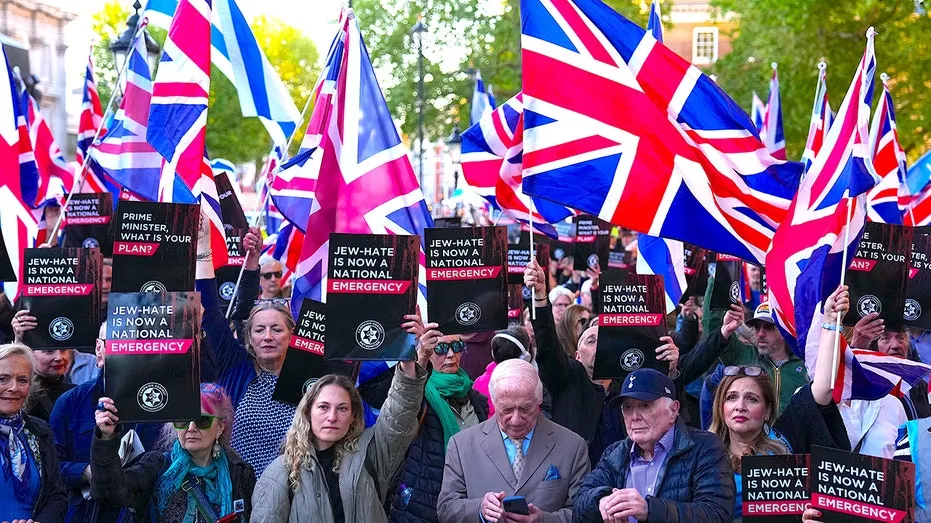
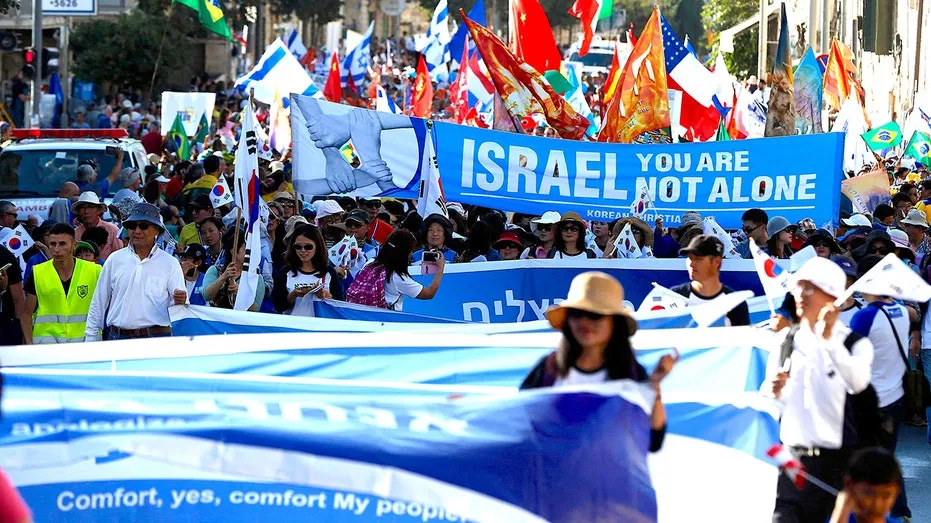
(SeaPRwire) - Most global leaders pay lip service to fighting rising antisemitism. Few dig into the actual roots driving its global surge. This emergency summit of Christian leaders in Jerusalem cuts through empty rhetoric. It confronts the theological and cultural gaps that let hate spread. Major Western religious bodies have ignored these gaps for decades. The official gathering is a response to rising antisemitism after the October 7, 2023 Hamas attack. It is convened by the International Christian Embassy Jerusalem as a three-day event. More than 200 in-person leaders from over 30 countries attend, alongside 3,000 online participants. Israeli Foreign Minister Gideon Sa’ar and US Ambassador to Israel Mike Huckabee will speak at Thursday’s closing. A core focus is rejecting Replacement Theology, which claims the Church replaced Jews in God’s plan. ICEJ President Jürgen Bühler notes Jesus was Jewish, and Israel is the second most common word in the Bible. The unspoken core of the summit is addressing antisemitism’s spread among young Western Christians. A recent US study found only 5% of Gen Z holds strong adherence to biblical teachings. Gen Z spends eight hours a day on social media, and just 20 minutes a week at church. Combat Antisemitism Movement research found social media algorithms actively amplify antisemitic content to hook users. Influencers regularly push antisemitic hate to millions of young followers. Leaders also push back on the old lie that Jews killed Jesus, noting all humankind bears guilt for the crucifixion. Official 2025 Israeli data puts the Christian population at 184,200, 1.9% of the total, growing 0.7% annually. 78.7% of Israel’s Christians are Arab, and most of their religious freedom cases are ruled in their favor. Christians here have far better status than any other Middle Eastern nation. Interfaith solidarity against rising antisemitism is shifting from a fringe issue to a core global political divide.
More
UK Spy Powers: A Ticking Time – Bomb for US-UK Relations? Hot News

UK Spy Powers: A Ticking Time – Bomb for US-UK Relations?

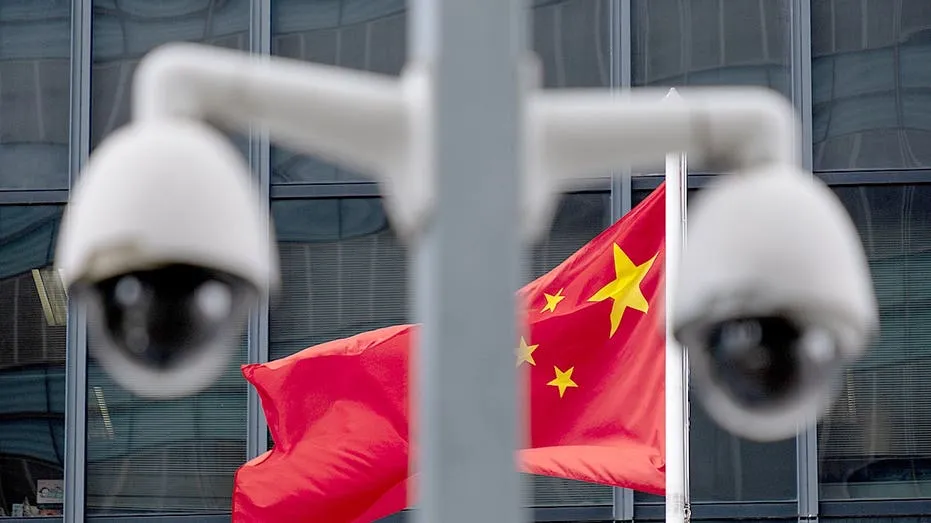
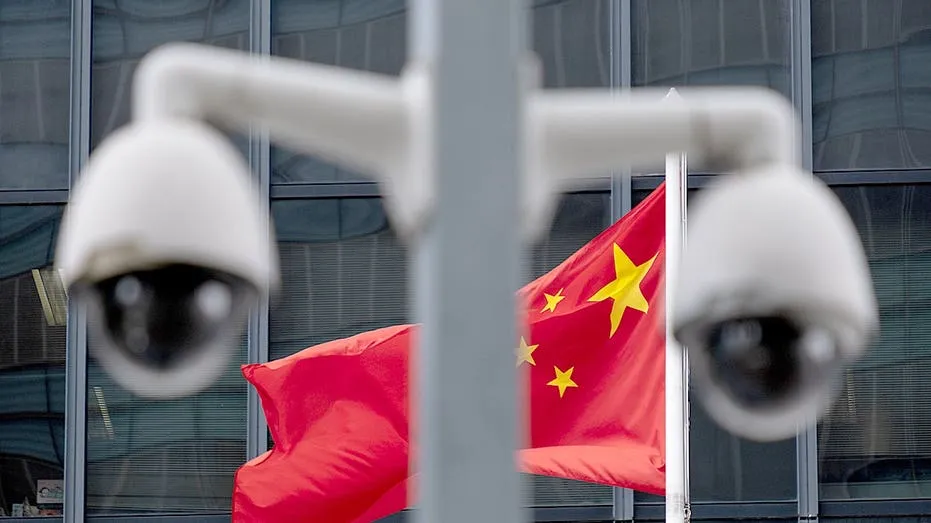
(SeaPRwire) - , an overseas international relations analyst who frequently contributes to major European daily newspapers The UK's surveillance laws are under fire. House Judiciary Committee Chairman Jim Jordan, R - Ohio, scrutinized them on June 5. Critics worry these laws could expose US officials and citizens' communications. Officially, the UK uses secret Technical Capability Notices under the Investigatory Powers Act. It claims this is for security. But the real geopolitical intention is concerning. Critics say it forces US firms to weaken encryption or create backdoors. And they can't disclose requests without UK approval. This undermines privacy, creates vulnerabilities, and limits congressional oversight. A former intelligence official even called it a "standing invitation to Beijing." Andrew Badger, a former DoD official, warned of national - security risks. Once one government gets access, others will demand it. A one - off concession becomes a permanent vulnerability. Jordan's letter to UK Home Secretary Shabana Mahmood on June 5 called for a review. Mahmood denied a US company permission to talk to Congress about the backdoor notice. Jordan also warned about the trust between the two countries. The UK's actions are shifting the geopolitical pendulum. If the US believes UK surveillance endangers Americans, future intelligence and cyber cooperation will be strained. The UK must re - evaluate its surveillance approach to maintain a strong alliance with the US.
More
The UK’s Encryption Backdoor Demand Just Shattered A Foundational Five Eyes Trust Agreement Hot News

The UK’s Encryption Backdoor Demand Just Shattered A Foundational Five Eyes Trust Agreement

(SeaPRwire) - Forcing encryption backdoors into global communication tools is not a trivial domestic policy choice. It erodes the shared technical trust that powers cross-border intelligence cooperation between Western allies. Former U.S. Department of Defense official Andrew Badger put it plainly. Any access point built for one government will be targeted by every hostile state with cyber capabilities. That includes Beijing, Moscow and Tehran, all of which run large state-backed espionage operations. The official U.K. position frames its Technical Capability Notices as narrow, targeted anti-terror tools. The notices fall under the U.K.’s Investigatory Powers Act, and come with gag orders for receiving companies. On June 5, U.S. House Judiciary Committee Chairman Jim Jordan sent a formal letter to U.K. Home Secretary Shabana Mahmood calling for a policy review. Jordan confirmed Mahmood blocked a U.S. tech firm from briefing Congress on a backdoor request it received. The U.K. has tried to frame this as a minor bureaucratic disagreement between allies. That ignores the real-world risks of weakening global encryption standards. The China-linked Salt Typhoon cyber campaign has already targeted 80 countries, exploiting lawful intercept systems to steal sensitive official communications. U.K. Foreign Secretary Yvette Cooper even carried a burner phone on her recent Beijing trip, admitting all digital devices taken into the country face high compromise risk. Unilateral encryption backdoor demands from Western allies will accelerate full internet balkanization, as every region builds independent encrypted communication stacks to avoid foreign surveillance access.
More
Petro’s Last Gasp? Lawmakers’ Suspension Bid Throws Colombia’s Runoff Into Turmoil—And Washington Is Paying Attention Hot News

Petro’s Last Gasp? Lawmakers’ Suspension Bid Throws Colombia’s Runoff Into Turmoil—And Washington Is Paying Attention

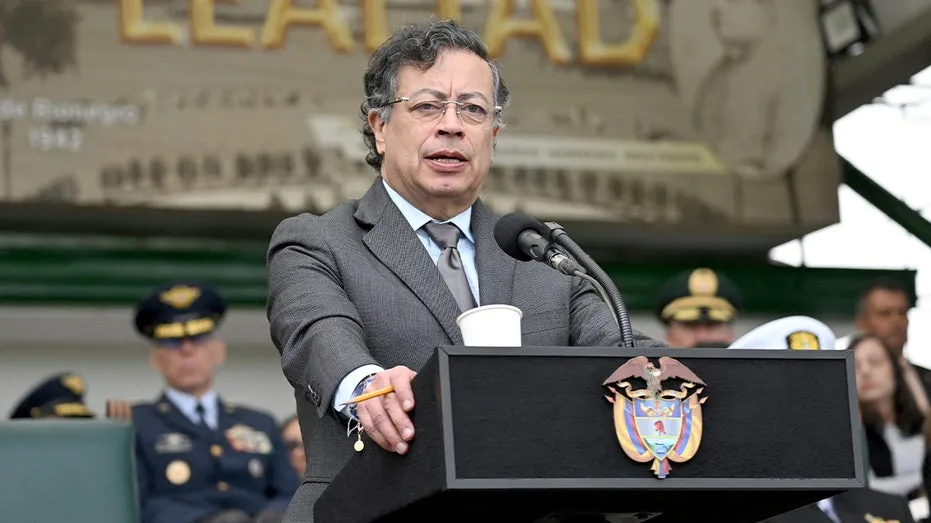
(SeaPRwire) - Colombia’s election chaos isn’t just about who wins—it’s a calculated power grab to dismantle Gustavo Petro’s leftist legacy. The suspension bid against the outgoing president lands less than two weeks before Colombians pick his successor, a timing that screams political opportunism over real accountability. On Wednesday, Gloria Arizabaleta, head of Colombia’s Investigation and Accusation Commission, filed a motion to suspend Petro until June 21. The charge? Improperly meddling in the campaign of Ivan Cepeda, his Pacto Historico coalition’s candidate. The commission labels the conduct “extremely serious or serious.” Petro’s term ends in August. Cepeda will face conservative Abelardo De La Espriella in the June 21 runoff. The suspension motion needs all 16 commission members’ approval to reach the Senate. For now, Petro stays in office, per commission member Miguel Silvera Padilla’s statement. Washington is watching closely. Colombia is a top U.S. security ally in Latin America, critical to counternarcotics efforts. A De La Espriella win would align with U.S. traditional priorities, while Cepeda’s victory keeps Petro’s leftist agenda alive. This bid could swing the runoff. Opponents have targeted Petro before, but this timing is key. The runoff will decide Colombia’s direction—left or right. Lawmakers pushing the suspension know linking Cepeda to Petro’s alleged meddling could sway undecided voters, tilting the race in the conservatives’ favor. If the suspension bid fails, Petro will likely ramp up support for Cepeda in the runoff’s final days.
More

UK’s new state threat powers aren’t just targeting the IRGC – they fix a years-long counterterror blind spot

(SeaPRwire) - Britain’s existing counterterror laws have a gaping flaw that left authorities hamstrung for years. State-backed hostile actors don’t fit the old terror group framework, especially groups tied to formal government structures. MI5 has flagged rising risks from Iran, Russia and China for months, with no clear legal path to crack down on their proxy networks. That gridlock just got a potential solution this week. The National Security (State Threats) Bill was introduced Tuesday. It gives Home Secretary Shabana Mahmood power to designate groups engaging in foreign power threat activity. Supporting designated groups or accepting their funds carries up to 14 years in prison. Last year, MI5 tracked over 20 potentially lethal Iran-backed plots on UK soil, with a 35% rise in state threat investigations. The bill could target Iran’s IRGC, though no immediate designation has been confirmed. It also covers actors linked to Russia and China, following recent related espionage convictions. The bill will likely pass with cross-party support, as legislators recognize the existing legal shortfall. If it takes effect next month as planned, it will become a blueprint for other EU states grappling with identical state proxy threat gaps. The first IRGC designation will land before the end of the law’s first operational year.
More
Khan’s Suspension Isn’t Just a Sex Scandal – It’s a Death Knell for the ICC’s Netanyahu Warrant Hot News

Khan’s Suspension Isn’t Just a Sex Scandal – It’s a Death Knell for the ICC’s Netanyahu Warrant

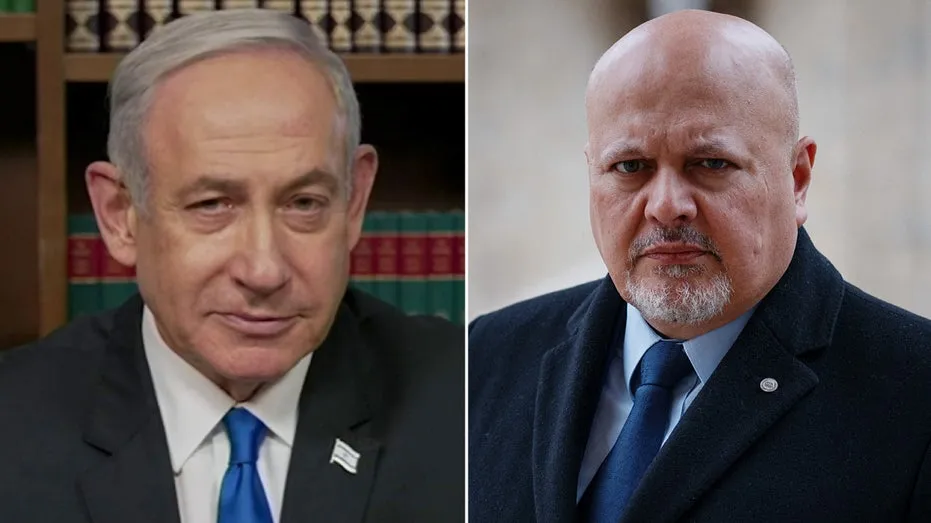
(SeaPRwire) - Karim Khan’s suspension doesn’t just end a controversial tenure at the ICC’s helm. It rips open the deep rot critics have long accused the court of harboring. He spent months pushing for arrest warrants against Israeli Prime Minister Netanyahu and former defense minister Gallant, drawing fury from Israel and the U.S. Now his own alleged sexual misconduct has turned the court’s internal rules against its top prosecutor. Official court statements frame the suspension as a standard disciplinary process. It follows an 18-month probe into allegations Khan engaged in nonconsensual sexual activity with a subordinate lawyer. The UN’s internal oversight body found evidence supporting the claims, while a separate judicial review ruled the evidence did not meet the beyond a reasonable doubt standard. The Assembly of States Parties Bureau still voted to suspend him and recommend his permanent removal. The case now goes to a special session of the full 125-member assembly for a final ruling. The ICC’s public statements tout the court as one of humanity’s greatest achievements, and insist it remains committed to impartial proceedings. But it’s impossible to separate Khan’s suspension from the geopolitical firestorm around his work targeting Israeli officials. The Trump administration sanctioned Khan in February 2025 over the arrest warrants, which were formally issued in November 2024. Israeli officials immediately seized on the suspension to demand the warrants against Netanyahu be thrown out, calling the entire court “rotten to the core.” The ICC’s arrest warrants for Netanyahu and Gallant are effectively dead, no matter the final outcome of Khan’s disciplinary proceedings.
More
This British Police Group’s Extremist Paper Exposes A Rotten Secret No One Will Address Hot News

This British Police Group’s Extremist Paper Exposes A Rotten Secret No One Will Address

(SeaPRwire) - A national affinity group for UK Muslim police officers is facing overwhelming backlash. The group promoted a policy paper full of what critics call antisemitic lies. Accusations claim the entire organization is infiltrated or controlled by Islamists. This latest scandal comes as the UK already faces fire for two-tier policing of Middle East protests. The paper was first unearthed by UK magazine The Spectator. Then-NAMP Vice President Khaldoun Kabbani wrote the paper, titled “From Past Prejudices to Present Policies: Confronting Anti-Muslim Hatred and Promoting Human Rights.” Kabbani calls Zionism a narrow, nationalist, colonialist viewpoint that fuels anti-Muslim hatred. He labels the IDF a Zionist terrorist group, and predicts this label will eventually be broadly accepted. He questions nearly all published reports of Hamas’ October 7 atrocities. He claims reports of beheadings were unverified media lies that stoked anti-Muslim hate. He also claims no Israeli infants died in the October 7 attack, with the only child death linked to IDF fire two days later. These claims directly contradict official UN data. The UN OCHA confirms at least 29 children were counted among October 7 fatalities by October 25. Israeli forensics head Chen Kugel also confirmed many burned victim bodies, including babies, were found without heads. Critics across UK political and anti-antisemitism groups have slammed the paper. Andrew Fox of the Henry Jackson Society calls the document a collection of antisemitic lies and blood libels. Stephen Silverman of the Campaign Against Antisemitism says the paper is clear proof of Islamist infiltration. He calls for all responsible officers to be immediately investigated and dismissed from duty. Fox adds that antisemitism is skyrocketing across the UK. He says groups like NAMP are inherently divisive and destroy public trust in policing. He calls for an immediate clampdown on the organization, and says no police force should work with it going forward. When reporters reached out for comment, none of the relevant bodies responded. The National Police Chiefs’ Council, NAMP, and the UK government all stayed silent. Britain’s refusal to address this scandal confirms two-tier policing is no conspiracy, it is a worsening reality.
More
Belfast’s Burning Streets: How a Single Stabbing Threatens to Unravel Northern Ireland’s 25-Year Peace Hot News

Belfast’s Burning Streets: How a Single Stabbing Threatens to Unravel Northern Ireland’s 25-Year Peace

(SeaPRwire) - Belfast’s streets aren’t just burning. They’re exposing the fragile fault line between Northern Ireland’s hard-won peace and the toxic politics of immigration. A single stabbing has unraveled decades of progress, turning neighbor against neighbor and giving opportunists a chance to weaponize fear. This isn’t just a local riot. It’s a warning that the peace process’s unaddressed wounds are still festering. Official accounts tell a straightforward story. Hadi Alodid, a 30-year-old Sudanese asylum seeker, appeared in court Wednesday. He’s charged with attempted murder, threatening a radiographer, and possessing a knife. Prosecutors say he blinded Stephen Ogilvie in one eye during a Monday night attack in north Belfast. Police recovered a kitchen knife at the scene and hailed bystanders as heroic for intervening. Alodid entered Northern Ireland from the Republic in 2023, got a five-year stay permit, and police rule out terror links. But the subtext is messier. Authorities initially misidentified him as Somali, revealing gaps in immigration tracking. Graphic video of the attack spread like wildfire online, amplified by anti-immigrant figures like Tommy Robinson, who turned local anger into a national spectacle. Politicians have lined up to condemn the unrest. Sinn Fein’s Michelle O’Neill called it thuggery. DUP’s Emma Little-Pengelly said targeting innocent immigrants is utterly wrong. UK Prime Minister Keir Starmer decried violence based on background. Some politicians now demand a review of the open border with the Republic. But this call isn’t just about security. The open border is a core pillar of the 1998 peace accord that ended the Troubles, which left nearly 3,600 dead. Forcing a review risks reigniting the sectarian tensions the accord was meant to quash. The unrest hit working-class areas where former paramilitary groups still hold sway, showing these groups are using the chaos to reassert influence. Parallel tensions from last year’s Southampton stabbing—where a Sikh man killed a white man and lied about a racist attack—show this division isn’t limited to Northern Ireland. The geopolitical pendulum in Northern Ireland is swinging back toward division. Unless leaders stop exploiting fear and address the root causes of working-class alienation, the peace process will continue to fray.
More

Why 9 Out of 10 Serbs Prefer Trump — And What That Means For The Balkans

(SeaPRwire) - Most Western analysts miss the real message of Vučić's interview. They frame it as just a personal endorsement of Donald Trump. But it is far more than a routine campaign-friendly remark. It lays bare a massive shift in Balkan public and state alignment. Vučić laid out his official case plainly in the exclusive interview. He said US-Serbia relations transformed dramatically under Trump. 90 to 95 percent of Serbs favor Trump over the Clinton administration. His history with Trump goes back to Trump's first term. The Trump administration brokered a 2020 economic deal between Serbia and Kosovo. It focused on infrastructure and investment, not divisive political status questions. He extended an invitation for Trump to visit Belgrade. He expects hundreds of thousands of Serbs to turn out to greet him. The two sides will launch a new strategic dialogue covering energy, infrastructure, AI and defense. Behind these plain statements is a clear pragmatic play. Serbia still chases EU membership, but refuses to pick sides between East and West. Vučić echoes Trump's own pragmatic approach to China. He prioritizes economic growth for Serbian citizens over ideological alignment. Serbia's GDP jumped from 32 billion euros in 2014 to over 100 billion euros this year. That growth gives Vučić room to navigate competing blocs. He also openly supports Israel, a stance that sets him apart from most of Europe. He has warned against rising antisemitism globally, and pledged it will not take root in Serbia under his watch. He rejects any rushed discussion on Kosovo recognition before deepening economic cooperation. The Balkan pendulum is swinging back to interest-first diplomacy. This will upend many long-held Western assumptions about the region.
More

Soft Borders, Hard Knives: The Security Failure in Belfast

(SeaPRwire) - The streets of Belfast are no longer just a political fault line. They are becoming a security flashpoint. The public’s tolerance for systemic border failures has hit zero. When a kitchen knife becomes the tool of foreign policy failure, the social contract fractures. This isn't just about crime statistics. It is about the perceived abdication of state sovereignty. The anxiety isn't abstract anymore. It is visceral, bloody, and streaming online in real-time. Monday at 10:30 p.m., a man in his 40s was hospitalized with serious injuries in north Belfast. The victim was attacked with a kitchen knife, suffering wounds to his face, neck, back, and eyes. A Sudanese migrant, arrested for attempted murder, had entered from Dublin. He was granted leave to remain. Bystanders, one wielding a hurling stick, heroically intervened. Police corrected the suspect's nationality from Somali to Sudanese during the investigation. Prime Minister Keir Starmer labeled the violence "sickening." Opposition figures like Nigel Farage demanded the attacker's identity be revealed immediately. The geopolitical cost is a loss of public trust in the Home Office. The Irish land border is now a critical vulnerability. Opposition leaders are leveraging this violence to demand stricter immigration controls. The political end-game is a forced policy pivot. Starmer must balance humanitarian rhetoric with security reality. Failure to do so will hand the opposition a potent electoral weapon. The border debate is no longer theoretical; it is a matter of immediate public safety.
More
The Digital Blackout: How Tehran Uses Internet Throttling to Mask a Bloody Execution Spree Hot News

The Digital Blackout: How Tehran Uses Internet Throttling to Mask a Bloody Execution Spree

(SeaPRwire) - The Islamic Republic of Iran is currently orchestrating a lethal campaign against its own citizens, using the cover of digital darkness to hide the scale of its violence. While the world watches the regime’s internet infrastructure, the real story is unfolding in the silence of prison cells. Tehran has weaponized connectivity, throttling international access to ensure that the true death toll remains a state secret. This is not merely a crackdown on dissent; it is a systematic effort to erase the evidence of a regime fighting for its survival through the gallows.The official narrative from Tehran remains one of silence, yet the data tells a different story. The Iran Human Rights Society has documented 784 executions in 2026, marking a sharp acceleration since March. This intensity is unprecedented in the last 37 years. Between May 31 and June 1 alone, at least 18 prisoners were executed, including one public hanging described as brutal. The National Council of Resistance of Iran (NCRI) reports that 32 individuals were executed between March 19 and June 1, including eight members of the PMOI/MEK and 24 participants from the January 2026 protests.The geopolitical reality is that these figures are likely a significant undercount. Internet monitoring firm NetBlocks confirms that while connectivity is technically restored, it remains in a state of limbo. Users face persistent throttling and heavy filtering of messaging apps, which effectively isolates prison sources and families from the outside world. The Iran Human Rights Society relies on a fragile network of local contacts to verify these deaths, but they admit that many executions in remote areas go entirely undocumented. The regime’s control over the digital flow is the primary tool for maintaining this veil of impunity.The international community’s response remains trapped in a cycle of condemnation without consequence. A State Department official has acknowledged the surge in executions, citing coerced confessions and sham trials as the regime’s standard operating procedure. Meanwhile, activists are preparing for a massive rally in Paris on June 20th, hoping to force the U.N. and the European Union into decisive action. Despite these efforts, the regime continues to move prisoners like those in Sheiban Prison toward imminent execution. The geopolitical pendulum is swinging toward a darker, more isolated Iran, where the cost of dissent is paid in blood, hidden behind a throttled connection.
More
Ukraine Holds the Negotiation Cards? The Hidden Signals in Finland’s Frontline FM’s UN Comments Hot News

Ukraine Holds the Negotiation Cards? The Hidden Signals in Finland’s Frontline FM’s UN Comments

(SeaPRwire) - Finnish Foreign Minister Elina Valtonen’s latest comment is not casual diplomatic small talk. She represents NATO’s newest frontline state, sitting on the alliance’s 820-mile longest border with Russia. Her take cuts through all the vague, noncommittal fluff that surrounds most official statements on Ukraine peace talks. No other NATO foreign minister speaks with as much direct credibility on the Russian threat right now. On paper, Valtonen simply says Ukraine has gained new leverage. She cites Kyiv recapturing more than 600 square kilometers of territory so far in 2026, after three to four months of military, political and diplomatic gains. The unstated message here is unambiguous. NATO will not pressure Ukraine to make territorial concessions to move talks forward. Kyiv’s current negotiating position has full bloc backing, and Russia’s overtures will not be treated as a sign of Ukrainian weakness. Valtonen also publicly credits Donald Trump for pushing European allies to raise defense spending. Finland plans to lift its own defense spending to 3.2% of GDP by 2030, up from 2.5% in 2025. She also confirms European NATO members broadly back US efforts on Iran, including efforts to keep the Strait of Hormuz open. This is a deliberate public signal to Washington that Europe will not split over cross-regional security priorities. The geopolitical pendulum in Eastern Europe has already tilted decisively toward Kyiv. Any final negotiated settlement will reflect Ukraine’s current battlefield position, not Russia’s 2022 occupation lines.
More

Europe’s Late-Stage Border Crackdown: Is Trump’s ‘You’re Destroying Your Countries’ Warning Finally Sticking?

(SeaPRwire) - Europe’s political elites have ignored voter anger over illegal immigration for years. Now, they’re scrambling to catch up. I sat with a Berlin baker last month. He told me he’s had three cash registers stolen in as many years, all by undocumented migrants. Alan Mendoza of the Henry Jackson Society puts it bluntly: Europe’s demography is reshaping its culture, and too many new arrivals refuse to integrate. Trump yelled this warning from the UN stage last year. It seems someone finally listened. The EU’s official line is straightforward. In June, the bloc agreed to stricter migration and asylum rules. Asylum seekers face identity, security, and health screenings before entering the system. Border officials will track non-EU citizens with biometrics like fingerprints and facial recognition. Member states must share information and process undocumented migrants quickly, sending them to offshore deportation centers if needed. The provisional deal is expected to pass lawmakers and governments. But the real intent? It’s a direct response to years of voter frustration. Ordinary Europeans saw these problems long before their leaders did. Not everyone is on board. Spain broke ranks, choosing to legalize half a million undocumented migrants. Javier Negre of La Derecha Diario says NGOs drove this move—they’ve turned migrant housing into a profitable business. Critics on the left, like French Green Mélissa Camara, call the EU’s deal a historic human rights setback. She slams offshore return hubs, minor detentions, and ICE-style home visits as a xenophobic arsenal. Meanwhile, U.S. officials have weighed in. JD Vance tied the stabbing death of 18-year-old Henry Nowak to Europe’s failed migration policies. Pete Hegseth, speaking at D-Day, compared migrant arrivals to a new invasion of European beaches. The geopolitical pendulum is swinging hard on migration. Europe’s new rules won’t reverse years of demographic change. But they mark a clear shift away from open-border policies that have defined the bloc for decades.
More

Hezbollah’s ‘Kill-Maim’ Bomb Network: The Ceasefire That Was Dead Before It Started

(SeaPRwire) - The ceasefire framework announced days ago was dead on arrival. Israel’s airstrikes on Beirut’s southern suburbs Sunday weren’t just retaliation—they exposed Hezbollah’s blatant disregard for the deal. Nick Reese, NYU adjunct and ex-national security adviser, says the captured bomb cache was built to target people, not hardware. Nails and sharp objects in containers? That’s intentional harm, plain and simple. Official statements said the ceasefire required Hezbollah to halt fire and withdraw from southern Lebanon. But hours before Israel’s strikes, Hezbollah fired rockets into northern Israel. The IDF footage shows a hidden explosives warehouse with shrapnel materials and propane tanks. Reese notes these are for different targets: shrapnel for infantry or public places, propane for tanks or buildings. This wasn’t a random stash—it was a distributed lethal network. The IDF’s Friday strike on Abed Harb, Hezbollah’s chief explosives engineer, is another layer. Official lines call him a veteran who attacked IDF soldiers. But Reese says his loss is more than leadership—it’s institutional knowledge. Harb had 20 years of experience, likely trained by Iran. His death hits Hezbollah’s ability to plan large bomb operations hard. This escalation isn’t just a border skirmish. It’s a signal that ceasefires without teeth won’t hold. Israel’s targeted strikes are eroding Hezbollah’s war-making infrastructure, and the region’s power balance is tilting—slowly but surely—toward those who enforce compliance.
More

Trump’s Doctrine in a Single Missile: Why Tehran Missed the Exit Sign

(SeaPRwire) - The admission from Tehran is accidental brilliance. They tried to mourn a martyr but ended up showcasing American surgical precision. Foreign Minister Abbas Araghchi sat on TV and admitted the strike was too accurate to be random. He described a wing destroyed while another stood untouched. This isn't just damage control. It is a validation of the Trump doctrine. You kill the head but leave the body a chance to survive. Iran missed the cue completely. They saw a tactical hit and ignored the strategic exit sign. Operation Epic Fury changed the game on February 28. Israeli jets dropped thirty precision munitions and Sparrow missiles on the compound. The target was specific. Ali Khamenei died in his office at eighty-six years old. Defense Minister Amir Nasirzadeh and IRGC Commander Mohammed Pakpour died with him. Araghchi told Al Mayadeen on June 4 he was briefing an official nearby. His wing survived. The leader’s wing did not. The Geneva negotiations were the topic that day. Khamenei had to be there. He was. Trump confirmed the kill on social media immediately. He cited sophisticated tracking systems working with Israel. The message was clear. We can reach your leader. Here is the off-ramp. Tehran ignored it. A rational state would have stopped. Iran fired on Israel instead. They killed a civilian in Bahrain. They struck Kuwait, Qatar, and the UAE. Then they closed the Strait of Hormuz. A global energy crisis followed. The surgical strike was American. The war was Iran’s choice. The power transition exposes a deeper rot. Mojtaba Khamenei took over for his father. This is dynastic succession disguised as a republic. Araghchi called him the young Khamenei replacing the elderly one. That is the language of kings, not clerics. They are rewriting theology on live television. The son lacks the religious rank required. He was wounded in the strike and vanished for weeks. Now he talks to the US in back channels. He stays confrontational in public. The facade is cracking. Dr. Omar Mohammed at George Washington University sees the truth. They did not flatten the building. They took one wing and left the next standing. This demonstrates capability without total destruction. It shows restraint. The goal was not occupation but demonstration. The US held the door open. Iran chose to walk through the fire instead. The precision was the warning. The escalation was the error. The regime proved it values conflict over survival. The theocratic republic has fully mutated into a dynastic monarchy that will burn the region to keep the throne.
More
Greek Terror Arrest Reveals Gaza War’s Dangerous Mediterranean Spillover Hot News

Greek Terror Arrest Reveals Gaza War’s Dangerous Mediterranean Spillover

(SeaPRwire) - The Gaza war has stretched European counterterrorism and border security thin. Local port systems across the Mediterranean are now frontlines of a conflict thousands of miles away. Greek police arrested a 37-year-old Gaza man on Crete this Sunday. He was granted asylum a year after the Gaza war, working as a hotel electrician on the island. Authorities link him to four suspected Hamas terrorists arrested earlier in Cyprus. The group trained in Malaysia to make explosives from commercial chemicals. The suspected target was the MS Crown Iris, set to dock in Crete this Tuesday. Searches in Crete and Athens found mobile phones, a laptop, external hard drives, bank cards, lab equipment, and ordered chemical agents. The ship has been a protest flashpoint at Greek ports since last year. Greek police used tear gas and made arrests in July 2025 when demonstrators tried to block the vessel. No formal charges have been announced against the suspect yet. He is set to appear before a magistrate later Sunday. This case exposes a brutal geopolitical cost. European nations that host asylum seekers from conflict zones now face heightened terror risks tied directly to foreign wars. Local port security teams will face unbudgeted, long-term burdens as regional tensions spill across the Mediterranean.
More

The IT Guy Who Hacked Modern Slavery: A New Playbook for Freedom

(SeaPRwire) - An ancient problem, modern-day slavery, often feels too big to tackle. Yet, two individuals, one a retired IT professional, are rewriting the playbook. Aaron Hutchings and Emmanuel Hernandez aren't waiting for policy shifts. They are directly intervening, disrupting entrenched systems of debt bondage in Pakistan. This isn't about grand declarations. It's about surgical strikes against a deeply rooted injustice. They are proving that focused, personal action can cut through centuries of systemic inertia. This approach bypasses traditional aid models, offering a stark contrast to slow-moving institutional efforts. It’s a grassroots hack on a global crisis. Hutchings landed in a Pakistani brick factory in January. He saw children making bricks under the sun. Families worked off generational debts. Within hours, he paid off two Christian families' debts. He escorted them to freedom. This broke a "curse that they’ve had for hundreds of years." Up to one million Christians are in slave and bonded labor in Pakistan. This is 30% of Pakistani Christians, according to Emma Hall of Open Doors U.K. and Ireland. Hall noted "extreme poverty drives desperate families to accept advance loans (peshgri)." This traps them in cycles of debt. Exit becomes extremely difficult. Emmanuel Hernandez was shocked by this debt-based enslavement. He witnessed bonded laborers firsthand. "Never in my life have I seen such hopelessness," he said. He committed to rescuing one family annually. Project Jubilee launched in January 2025. It has already saved 300 Pakistanis. 98% rescued are Christians, due to their "second-class citizens" status. The average cost per family is $8,500. This covers debt relief, two months of rent and food, legal fees, school, and a tuk-tuk for income. Hutchings found Hernandez online late 2025. He joined a January trip, freeing two families. He "just got hooked." He returned in May, freeing ten more. A viral video funded another rescue. The "game" here is against a deeply entrenched system. Bonded slavery was outlawed in Pakistan in 1992. Yet, "enforcement remains weak," Hall noted. Discrimination extends beyond the kilns. The U.S. Commission on International Religious Freedom reported "recent and escalating attacks against religious minorities" in Pakistan in 2025. Factory owners often resist. They cap monthly releases. Some even ban rescuers from returning. Securing housing for freed Christians is difficult. Many landlords refuse them. A local Pakistani Christian group helps find housing and jobs. They also locate teachers for largely illiterate children. This highlights the multi-layered challenges beyond just paying debts. Pakistan's National Commission for Human Rights reported in 2023 that three million Pakistanis suffer from bonded labor. Their chairperson called it "deeply appalling" in the 21st century. Recommendations include forbidding child labor in kilns. They suggest helping laborers access justice. Creating unions for collective representation is another idea. Registering all brick kilns is crucial. Increasing automated machinery could reduce reliance on manual labor. Encouraging ethical brick purchasing is also key. The Pakistani government did not respond to questions about enforcement. Yet, Hutchings and Hernandez reported no complications with the government during their rescues. This shows a complex, often contradictory, landscape. These small, direct interventions will ultimately force a re-evaluation of how we tackle systemic global injustices.
More
NATO’s Fault Line: Trump’s Pressure Exposes Europe’s Uneven Defense Gamble

(SeaPRwire) - Donald Trump's blunt demands have exposed a raw nerve within NATO. Europe's defense posture, especially in the West, feels increasingly precarious. The eastern flank, staring down Russia, acts with a speed Western capitals often miss. This creates a dangerous security imbalance. It is a chasm in collective resolve. This isn't just about budget lines. It's about immediate threat perception and political will. Rear Adm. Mark Montgomery sees a clear geographic split in Europe's defense efforts. Eastern nations, including the Baltic states, Poland, Romania, and Bulgaria, are moving fast. John Deni agrees. He notes eastern allies acquire capabilities quicker. They also spend more. Romania, for example, reached 2% of GDP during Trump's previous term. It plans 3.4% next year. Poland is now a top military spender. The Baltic states are pushing towards 5% of GDP. This urgency contrasts with much of Western Europe. SIPRI data for 2025 shows the UK at 2.4% of GDP. Germany is at 2.3%, Spain 2.1%, France 2%, and Italy 1.9%. Germany, though, shows potential. Chancellor Friedrich Merz backs higher defense spending. Still, Barak Seener warns of Europe's heavy reliance on US military capabilities. This includes strategic airlift, cyber, and intelligence. Montgomery identifies three core challenges: expanding capacity, rebuilding industrial bases, and developing high-end support. Even reported Pentagon delays on long-range strike deployments to Germany highlight this dependency. The geopolitical cost of this uneven rearmament is stark. Europe risks a two-speed defense. This could fracture NATO's cohesion. The power politics end-game demands a fundamental rebalancing. Montgomery states European forces should be the primary defenders. The US should provide additional forces for maneuver and offense. This requires Europe to build its own high-end capabilities. It must move past "freeloading for 30 years." Reported Pentagon delays on Tomahawk sales underscore US leverage. Montgomery predicts a stronger NATO in five years. He sees more European investment and steadier transatlantic relations. Yet, the path is difficult. The goal is deterrence, not fighting Russia. Europe must truly own its security. Otherwise, it faces continued vulnerability and US pressure.
More

Peru’s High-Stakes Runoff: US-Aligned vs Leftist Tensions Reshape Latin America

(SeaPRwire) - Peruvians head to polls June 7 in a pivotal runoff. Conservative Fujimori pushes law, free markets, US ties. Leftist Sánchez represents a movement seen as challenging US interests. Think tank chief Beteta says election shapes Peru's US alignment. Peru's years of instability add to the drama. AP notes the close race, result may take days. For Washington, it's a test of Latin America's political direction. Fujimori win would join center-right bloc. She pledges US cooperation. Sánchez's left lean could strain US ties. Analyst Ghersi: Sánchez's radical left, ties to Maduro. Fujimori's US ties via FIU. Peru's copper, gold draw US-China rivalry. Outcome decides if Peru moves closer to US or leftward. Over 27M registered voters.
More