Frozen Funds vs Trust: Why Trump’s Iran Deal Is Already on Thin Ice

(SeaPRwire) - The interim Iran deal signed June 17 is already teetering. Negotiators met in Bürgenstock, Switzerland, but the real battle isn’t nuclear—it’s over billions in frozen funds. Alex Vatanka, a Middle East Institute senior fellow, says this is the first big trust test between Tehran and Washington. Official statements sound straightforward. The MOU’s commits the US to making frozen funds fully available. Trump told the G7 summit in Évian-les-Bains the money isn’t America’s and will be returned. But he warned on Truth Social: Iran gets “not ten cents” during the 60-day talks if it breaks promises. Iran’s President Pezeshkian claims $6B in Qatar will be returned, pointing to Trump’s speech as a win for their rights. The subtext reveals deeper tensions. Iran’s frozen assets total $100-120B in countries like China, India, Iraq, and South Korea (per WSJ). The initial talks focus on $24-25B as a first tranche. Iran says this will fund roads, airports, and projects for ordinary Iranians. But the US wants controlled access—only for humanitarian purchases like food and medicine. Western intelligence fears funds will go to Hezbollah; Reuters reports Iran already signaled the group about more support if cash flow improves. Vatanka says the real fight isn’t how much—its who controls the spending. Iran wants sovereignty; the US wants leverage to stop proxy funding. This dispute will make or break the deal. If both sides can’t compromise on control, the interim agreement will fall apart before it even gets off the ground.
More

Calculated Chaos: How Meloni Weaponized a Trump Tantrum

(SeaPRwire) - This spectacle is not a diplomatic accident. It is a cold-blooded calculation. Giorgia Meloni is not offended by Donald Trump’s insults. She is likely measuring their political value. The Italian Prime Minister faces a harsh reality. Her approval ratings are slipping. The 2027 general election is looming on the horizon. She needs a distraction. She needs a villain. Trump provides the perfect foil. A public row with Washington yields no real sanctions. It only boosts her domestic standing. This is political theater at its finest. The stage is set. The audience is the Italian electorate. The script was written in a war room, not a foreign ministry. Every insult is a line in the play. Every retort is a rehearsed move. The goal is not peace. It is polls. The strategy is transparent. It is effective. It is cynical. The narrative arc is aggressive and personal. Trump appeared on Italy’s La7 network. He claimed Meloni begged for a photo at the G7 summit in France. He said he agreed only out of pity. Meloni responded instantly on X. She said she was stunned. She declared that Italy never begs. The diplomatic temperature rose fast. Foreign Minister Antonio Tajani cancelled his Washington trip. He was supposed to meet Secretary of State Marco Rubio. That meeting is dead. Trump doubled down on Truth Social. He attacked Meloni’s popularity. He accused her of blocking US access to the Iran conflict. He claimed she denied landing strips to American forces. He said she wanted to be friends to get her "numbers up." Meloni hit back hard. She said being his friend hurt her numbers. She told him to focus on his own popularity. The exchange was rapid. It was brutal. It was public. The subtext here is pure survival. Analysts like Mattia Diletti see the matrix clearly. Meloni once courted Trump aggressively. She visited Mar-a-Lago in 2025. She was the only EU leader at his second inauguration. They shared a nationalist vision. But that alignment is now a liability. Trump is deeply unpopular in Europe. The Iran issue created a fracture. Pope Leo XIV condemned the US conflict with Iran. Meloni sided with the Pope in April. Trump criticized her then. He criticizes her now. She uses this anger. Confronting Trump builds European solidarity. It paints her as a defender of Italian sovereignty. Giovanni Orsina calls this a "silver lining." She tried to avoid this fight. Now she embraces it to save her political capital. The risk is low. The reward is high. She is turning a friend into an enemy to save herself. It is a gamble worth taking. The United States defeated Iran militarily, according to Trump. Meloni refused to help. Now she pays the price in public insults. But she gains in private polls. The math works for her. She is playing a long game. The transatlantic alliance is shifting under our feet. Meloni is betting that Brussels matters more than Washington. She will trade American goodwill for Italian votes. The strategic calculus has changed. The era of easy alignment is over. The pendulum will not swing back soon. Italy is finding a new path. It is a path away from the White House. The bridge is broken. The debris is being cleared. A new structure is being built. It does not include Mar-a-Lago. It includes Rome first.
More

Luxury Resort Dream Turns Albanian Streets Into Political Battlefield

(SeaPRwire) - , an overseas international relations analyst who frequently contributes to major European daily newspapers Protesters are not merely opposing a luxury resort; they are challenging three decades of entrenched graft. The government of Socialist Prime Minister Edi Rama faces relentless street pressure demanding his resignation. Opposition leader Sali Berisha amplifies this dissent, attributing thirty years of corruption to Rama and his cohorts since the fall of communism in 1991. The catalyst is a proposed development by Jared Kushner and partners via Affinity Partners, promising 10,000 hotel rooms on contested coastal land. This project targets Sazan Island, a former Soviet base, and Zvërnec, a protected landscape for monk seals and flamingos. Official statements defend the project as a $4 billion job creator. Former ambassador Agim Nesho argues these investors face baseless smears and will bring opportunity, noting state-protected land status was revoked years ago. He claims the project will undergo rigorous environmental scrutiny, unlike past government deals favoring oligarchs. Rama’s administration insists Sazan is state property and Zvërnec land is private, with other claimants in court. The European Parliament has intervened, urging a halt to construction on protected lands and calling for a moratorium on permits in sensitive zones. Critics highlight a disconnect between investor assurances and environmental reality. They point to Rama’s dismissal of protests as minor disruptions, later blaming foreign hybrid warfare when media coverage grew. Analysts note the administration’s refusal to engage with core grievances: how can citizens negotiate with a government overseeing systematic theft over twelve years? Protester Florjan Binaj declares this the largest mobilization since 1991, fueled by despair over unaccountable wealth. The movement persists despite media fatigue, demanding not just policy shifts but a complete break from the current power structure. The core issue remains institutional collapse, not a single project. Rama’s government shows no capacity for self-correction, treating dissent as a security threat rather than a mandate. With trust exhausted and corruption normalized, the only viable path is a transition monitored internationally to prevent further decay. Without this, the cycle of graft and public fury will continue to define Albania’s fragile democracy.
More

Iran’s ‘Whole-Regime’ Delegation: A High-Stakes Gamble in US Talks

(SeaPRwire) - The recent technical talks between Iran and the United States in Switzerland have set the stage for a high-stakes geopolitical showdown. Counterterrorism expert Dr. Omar Mohammed aptly describes these negotiations as "the most consequential America has entered in the Middle East in years." Iran's decision to send a 'whole-regime' delegation, led by chief negotiator Mohammad Baqer Qalibaf and Foreign Minister Abbas Araghchi, speaks volumes about its strategic intent. On the surface, the official statement from the Iranian side might suggest a willingness to engage in constructive dialogue. The team's arrival at Bürgenstock came after a breakthrough memorandum of understanding (MOU) signed by President Donald Trump and Iranian President Masoud Pezeshkian, followed by the cancellation of follow-up talks. However, the real geopolitical intentions are far more complex. Iran's delegation includes top security, legal, and financial figures, indicating its red-line demand for "immediate cash flow" and significant financial concessions. The presence of Abdolnaser Hemmati, the governor of the Central Bank of Iran, leading the economic committee, is a clear signal. As Mohammed points out, "You do not send the central bank governor to a symbolic meeting. You send him when the question is money: frozen assets, sanctions relief, banking channels, usable currency and how quickly Iran can turn promises on paper into cash it can actually spend." Similarly, the inclusion of senior state oil and energy officials implies Iran's desire for "energy leverage" and control of maritime operations, especially considering the strategic importance of the Strait of Hormuz. The U.S. delegation, led by U.S. Special Envoy for Peace Missions Steve Witkoff and former senior White House adviser Jared Kushner, with Vice President JD Vance also present, has a different set of objectives. Vance indicated that Washington hopes to make progress on both the nuclear issue and the escalating Lebanon ceasefire crisis. Trump's call to "turn over a new leaf" in the U.S.-Iran relationship suggests a desire for a more stable and cooperative future. However, the differing composition of the two teams underscores the starkly different approaches. Iran is not only negotiating the substance of the deal but also the terms under which it can later avoid pressure. As Mohammed warns, "If the money comes first and the concessions come later, Tehran will not interpret that as compromise. It will interpret it as victory." If the U.S. gives Iran cash, oil access, and legal protection while Iran keeps Hormuz, proxies, missiles, and nuclear options alive, America may find itself financing Iran's next phase rather than buying peace. In the ever-shifting geopolitical landscape, the outcome of these talks will have far-reaching implications. The balance of power in the Middle East hangs in the balance, and both nations are playing their cards carefully. The pendulum of geopolitical influence could swing either way, depending on the decisions made at the negotiation table.
More
Israel’s Bold Move: Unveiling the First Ambassador to the Christian World Hot News

Israel’s Bold Move: Unveiling the First Ambassador to the Christian World

(SeaPRwire) - The Israeli government's decision to appoint an envoy to the Christian world is a strategic masterstroke, yet it's not without its geopolitical undertones. At first glance, the official statement emphasizes better relations with the Christian community. But beneath the surface, there are deeper motives at play. The official facts are clear. Prime Minister Benjamin Netanyahu's government announced this new position, aiming for smoother ties with the Christian world. Ambassador George Deek, in an exclusive interview, highlighted the ethnic cleansing of Christians in the region. Their population has plummeted from 20% to less than 2% in the Middle East. Meanwhile, Israel has seen growth, with 300 churches (double the 1948 number) and a Christian population rising from 34,000 to over 180,000. As of December 2025, the Christian population in Israel was about 184,200, 1.9% of the total, growing by 0.7% from the previous year. However, the geopolitical real intentions are more complex. Israel's special connection to the birthplace of Christianity gives it a unique position. The shared biblical values with Christians, like democracy and freedom of thought, create a strong historical bond. Moreover, in a time of resurgent antisemitism, especially in the digital sphere, Israel's move to appoint an envoy shows its appreciation for Christian support and its long - term interest in safeguarding Christian - Jewish relations. The International Christian Embassy Jerusalem (ICEJ), with its 46 - year presence in Jerusalem and a global reach, organized an antisemitism summit, indicating the importance of this relationship. Still, there are challenges. Deek noted isolated incidents of attacks on Christian symbols and a nun. These incidents go against Israel's values of tolerance and acceptance. But the fact that the Israeli leadership has condemned them and the perpetrators are in prison shows Israel's commitment to the rule of law. Amid the surge in antisemitic incidents after the Hamas - led Oct. 7 massacre, Deek pointed out that hate doesn't stop at Jews. It has also affected other minorities, like the Christian population in Gaza, which has disappeared. In the geopolitical landscape, Israel's move to appoint an envoy to the Christian world is a significant step. It not only strengthens its relations with the Christian community but also positions itself as a defender of religious freedom in the region. As the only nation to take such a step, Israel is likely to gain more support from the Christian world, which could have far - reaching implications for its geopolitical standing.
More

Trump’s Bold Call: Is Starmer’s Exit Imminent?

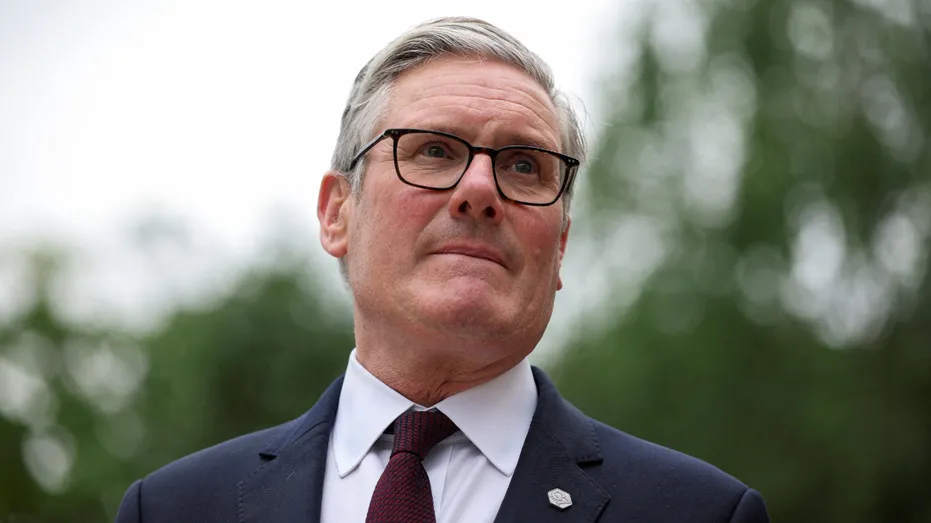
(SeaPRwire) - Donald Trump's declaration on Truth Social that UK Prime Minister Keir Starmer will resign has sent shockwaves through the political arena. Trump, while expressing well - wishes, accused Starmer of significant failures in immigration and energy policies. This statement comes at a time when Reuters reports that Starmer is still deliberating over his future, with some speculating his departure could be as soon as Monday. The official statement from Trump is straightforward. He clearly states Starmer's impending resignation and pinpoints immigration and energy as the areas where the PM has failed. Trump even throws in a suggestion about opening North Sea oil. On the geopolitical front, Trump's comments are not just a personal opinion. They could potentially influence the perception of the UK government on the global stage. The U.S. has long been a key ally of the UK, and Trump, despite no longer being in office, still wields considerable influence within certain political circles. His remarks might embolden Starmer's domestic opponents, who could use this as a rallying point to push for his ouster. Looking deeper, the immigration issue in the UK is a complex web. It involves not just border control but also integration policies, asylum seekers, and the economic impact of immigration. Starmer's handling of this issue might have disappointed those who expected more decisive action. In the energy sector, the call to open North Sea oil taps into the long - standing debate between environmental concerns and energy security. Trump, with his pro - fossil fuel stance, sees this as an obvious solution, but it might clash with the UK's commitment to climate goals. The geopolitical pendulum is likely to swing depending on Starmer's decision. If he resigns, it could lead to a period of political instability in the UK. This instability might cause ripples in international relations, especially in trade and security agreements. On the other hand, if Starmer decides to stay and fight, he will need to quickly address the issues Trump pointed out. Otherwise, he risks further weakening his position both at home and abroad.
More

“El Tigre” and the Crossroads of Colombia’s Future: Trump’s Endorsement in a Pivotal Election

(SeaPRwire) - Colombia stands at a crossroads as it heads into a pivotal presidential runoff. The rise of conservative outsider Abelardo de la Espriella, known as "El Tigre," is a clear sign of voter frustration. Meanwhile, outgoing President Gustavo Petro faces political turmoil, making this election a high - stakes battle for the country's future and its relationship with the United States. The official narrative of de la Espriella's campaign is built on law and order, anti - cartel crackdowns, and mending U.S. - Colombia relations. He presents himself as a political outsider, like Trump, willing to challenge the status quo. Trump's endorsement on social media, calling him a "Smart, Strong, and Tough Leader," adds significant weight to his campaign. De la Espriella has also been likened to El Salvador's President Bukele, building a brand around toughness and a no - nonsense approach to crime. On the other hand, Iván Cepeda, from Petro's socialist party, pledges to continue the current administration's social and economic agenda and expand negotiations with armed groups. Carlos Chacón of the Instituto de Ciencia Política argues that the leftist model Cepeda represents has proven to generate fiscal deficits and strengthen criminal networks. In contrast, de la Espriella's model favors free enterprise, security, and operates within the 1991 Constitution. The geopolitical real intentions behind these candidates' platforms are far - reaching. De la Espriella's push for a closer relationship with Washington and more aggressive security partnerships against narcotrafficking and armed groups could reshape the power dynamics in the region. It may also lead to increased U.S. influence in Colombia's internal affairs. If Cepeda wins, the focus on negotiation and state intervention in the economy might lead to a different path, potentially causing friction with the United States. The outcome of this election will determine whether Colombia swings towards a more conservative, U.S. - aligned approach or continues on a socialist path. It will not only impact Colombia's domestic security and economic policies but also shift the geopolitical pendulum in Latin America, affecting the United States' influence in one of its most important allies in the region.
More
The Ghana Reparations Plan: Why Western Nations Are Terrified of Africa and the Caribbean’s Unified Demand Hot News

The Ghana Reparations Plan: Why Western Nations Are Terrified of Africa and the Caribbean’s Unified Demand

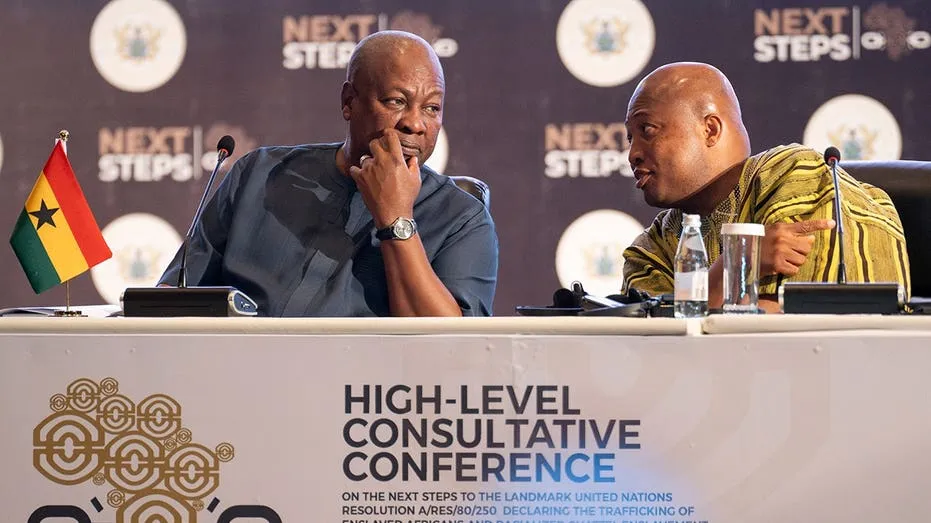
(SeaPRwire) - The Ghana reparations plan isn’t just a list of demands. It’s a direct challenge to the global power structures built on the bones of transatlantic slavery. For centuries, at least 12.5 million Africans were kidnapped and shipped across the Atlantic. Their labor built the wealth of Western nations. Today, their descendants in Africa and the Caribbean still live with intergenerational scars—poverty, systemic inequality, and debt traps. For decades, these nations pushed for redress alone. Now, they’ve merged their voices into a single, unignorable force. The silence on specific target nations isn’t a flaw. It’s a strategic choice to avoid splitting the coalition before the UN General Assembly. Officially, the 19-point framework adopted by the African Union and CARICOM calls for financial compensation, debt relief, a Global Reparations Fund, and the return of looted cultural artifacts and ancestral remains. It also demands reforms to international financial institutions that supporters say disadvantage Third World countries. It includes expanded citizenship pathways for Africans in the diaspora and a “right of return” for descendants of enslaved people. Behind the words, this plan is about systemic repair. Debt cancellation isn’t just about easing current burdens. It’s about undoing a cycle where former slave powers now profit from the very nations they once exploited through predatory lending. The unified front between AU and CARICOM turns scattered grievances into a geopolitical bargaining chip that can’t be dismissed as a regional complaint. Officially, the March UN resolution recognizing slavery as the “gravest crime against humanity” passed with 123 votes. The U.S., Israel, and 52 others opposed or abstained, citing concerns over creating a hierarchy of crimes against humanity. Behind this opposition lies a deeper fear. If slavery reparations are legitimized, Western nations could face demands for redress for other colonial atrocities—from land theft to resource exploitation. French President Emmanuel Macron addressed the Ghana conference virtually, acknowledging that enslaved people were “torn from their homelands, deported, dehumanised, and treated as goods.” But he rejected reparations as a “cheque to close the story.” This is a classic soft power play: acknowledge guilt without offering tangible redress, preserving France’s influence in its former African colonies while avoiding financial liability. Heads of state from Namibia, Liberia, Senegal, Barbados, and Sao Tome and Principe attended the conference, a sign of the coalition’s breadth and seriousness. The geopolitical pendulum is shifting, but the plan’s success hinges on whether African and Caribbean nations can hold their coalition together through the UNGA debates and intense Western pushback.
More
The Quiet Coup Brewing: Why Keir Starmer’s Days As UK PM Are Numbered Hot News

The Quiet Coup Brewing: Why Keir Starmer’s Days As UK PM Are Numbered

(SeaPRwire) - The Observer’s Saturday scoop about Keir Starmer weighing a formal resignation timetable isn’t just a random media leak. It’s the loudest public warning yet that his grip on the Labour leadership is slipping faster than his government’s polling numbers. The outlet reported he was discussing his future with his wife at his Chequers country residence before finalizing his plans. Senior party figures already expect a public statement as early as next week, even as Starmer’s office pushes back with claims he remains fully focused on governing. This isn’t a one-off crisis; it’s the culmination of months of quiet, building pressure from within his own ranks. Let’s lay out the unvarnished, verified facts first. Starmer took charge of the UK Labour Party in 2020 and became prime minister just last year. Last month, more than 100 Labour lawmakers signed a public letter demanding he step down or outline a clear departure timeline. Several parliamentary aides quit their roles in protest over his leadership direction. He’s repeatedly told reporters he has no plans to walk away from the top job. The pressure on Starmer spiked sharply just this past Friday. Andy Burnham, his long-time rival, won a contested parliamentary seat, putting him in a formal position to mount a leadership challenge. Starmer congratulated Burnham on X, framing the win as a victory for hope and optimism over division and hate. When asked directly about Burnham’s apparent leadership ambitions, Starmer stuck to his public line of unwavering defiance. This win wasn’t just a personal victory for Burnham; it was a green light for other critics to speak up publicly. The root of the ongoing Labour revolt isn’t just Burnham’s surprise parliamentary win. It’s months of failed policy delivery and plummeting public approval across the UK. Labour lost hundreds of council seats in recent local elections, surrendered long-held ground in Wales, and fell behind its political rivals in Scotland. Voters are frustrated with the government’s botched handling of the cost-of-living crisis and sluggish national economic growth. Even high-profile Labour donors have grown quiet, hesitant to back a leader who can’t secure a governing majority. Starmer’s biggest lingering liability isn’t just his sinking polling numbers. It’s the sustained criticism over his acceptance of luxury gifts from wealthy private donors. That story has lingered for weeks, feeding into a broader narrative that he’s out of touch with ordinary working-class voters. The backbench revolt isn’t just about policy missteps; it’s about a party that fears it will lose the next general election if Starmer stays at the helm. Some Labour MPs are already privately lining up potential successors, just in case a leadership contest becomes unavoidable. Barring a last-minute, unforeseen reversal, Keir Starmer will announce a formal timetable for his departure as early as Monday.
More
Beyond the Seabird: H5N1’s Australian Debut and the Looming Protein Supply Chain Attrition Hot News

Beyond the Seabird: H5N1’s Australian Debut and the Looming Protein Supply Chain Attrition

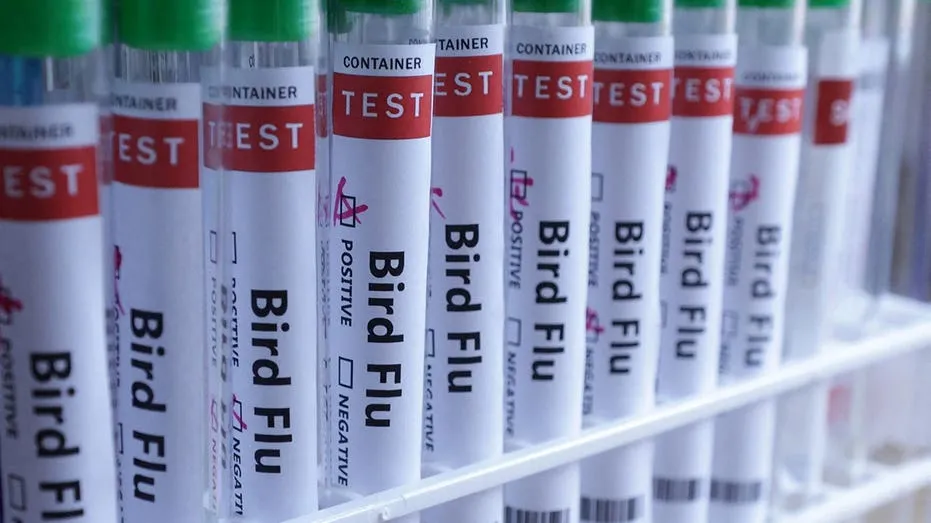
(SeaPRwire) - The confirmation of H5N1 bird flu in Australia isn't merely a biological event; it marks a critical inflection point for global agricultural commodity markets. With the virus now confirmed across every continent, its detection in a single brown skua near Esperance, Western Australia, transcends a localized incident. It signals a systemic vulnerability. The immediate focus on the brown skua, found in Cape Le Grand National Park, and the swift response by the Australian Department of Agriculture, Fisheries and Forestry, alongside Western Australia’s Department of Primary Industries and Regional Development, is commendable. WA Agricultural Minister Jackie Jarvis highlighted that "Australia’s and Western Australia’s preparedness measures have worked," ensuring the bird was isolated and samples collected. Yet, the broader market narrative isn't about current containment. It's about the chilling precedent set by outbreaks elsewhere. The US experience, where millions of birds died, directly caused grocery store hikes and significant egg shortages. This isn't a traditional capital bottleneck. It's a biological chokehold on a fundamental protein supply. Federal Agricultural Secretary Julie Collins's candid admission, "We all knew we couldn't be bird flu-free forever," encapsulates the shift. The industry is moving from an aspiration of complete eradication to a grim reality of perpetual risk management. The true market panic isn't in the present, but in the projected future, where a single migratory bird can trigger a cascade of economic disruptions, echoing the devastating 13,000 elephant seal pup deaths on Heard Island and McDonald Islands last year. This isn't just a health crisis; it's a fundamental re-evaluation of commodity market stability.To grasp the full scope of potential economic fallout, one must scrutinize the systemic vulnerabilities beyond initial containment. The strain identified in Western Australia is "consistent with bird flu found in the remote Australian territories of Heard Island and McDonald Islands." This isn't a trivial detail. The previous outbreak in these wildlife sanctuaries saw 13,000 of a population of 17,000 elephant seal pups perish in mere months. This demonstrates the virus's aggressive virulence and its capacity for rapid, widespread devastation within susceptible populations. While Jackie Jarvis noted "no detections in poultry and there is no evidence of mass mortality" on the mainland, the migratory nature of the vector, underscored by the suspected second case in another migratory bird near Esperance, presents an enduring, complex challenge. The US market provides a stark, real-world case study. The "millions of birds dead" directly translated into tangible "grocery store hikes and shortages, most notably with eggs." This illustrates how quickly a seemingly localized biological event can morph into profound supply chain fragility. We are not merely cataloging isolated bird flu cases. We are tracking the potential for a global protein supply shock, a disruption that can bypass traditional economic indicators and strike at the very heart of food security. The efficacy of "nationally coordinated plans" will be measured not just by initial detection, but by their long-term resilience against an omnipresent, evolving threat.The long-term implications for cash flow efficiency and the potential for accelerated vendor consolidation within the global poultry and egg industries are profound. While the spread to humans remains rare, the economic impact on producers and consumers is anything but. The US market experienced immediate price inflation and significant availability issues. Should H5N1 penetrate Australian commercial poultry farms, even with the most robust biosecurity protocols, the ripple effects would be instantaneous and severe. Farmers would face immense culling costs, catastrophic lost production, and the arduous, expensive processes of depopulation and disinfection. Insurance providers would see claims spike dramatically. Consumers, in turn, would confront higher prices for essential proteins like eggs and poultry, placing direct strain on household budgets. This scenario transcends a temporary market fluctuation. It represents a deep erosion of producer margins, particularly for smaller, less capitalized operations that lack the financial buffers of larger entities. The cumulative pressure of absorbing increased biosecurity expenditures, coupled with potential revenue loss from outbreaks, could inexorably accelerate industry consolidation. This would favor larger, more diversified agricultural conglomerates, which are inherently better equipped to absorb and mitigate such systemic biological shocks. The "nationally coordinated plan" is a vital first line of defense. However, its ultimate success hinges on preventing widespread commercial poultry infection. Failure to do so would not only fundamentally reshape the Australian agricultural landscape but also send further, destabilizing tremors through an already volatile global food supply chain, necessitating a fundamental re-evaluation of risk premiums across the entire agricultural commodity spectrum.
More
The Edinburgh Anti-Muslim Rampage Isn’t a One-Off – It’s Proof the UK’s Far-Right Security Policy Is Broken Hot News

The Edinburgh Anti-Muslim Rampage Isn’t a One-Off – It’s Proof the UK’s Far-Right Security Policy Is Broken

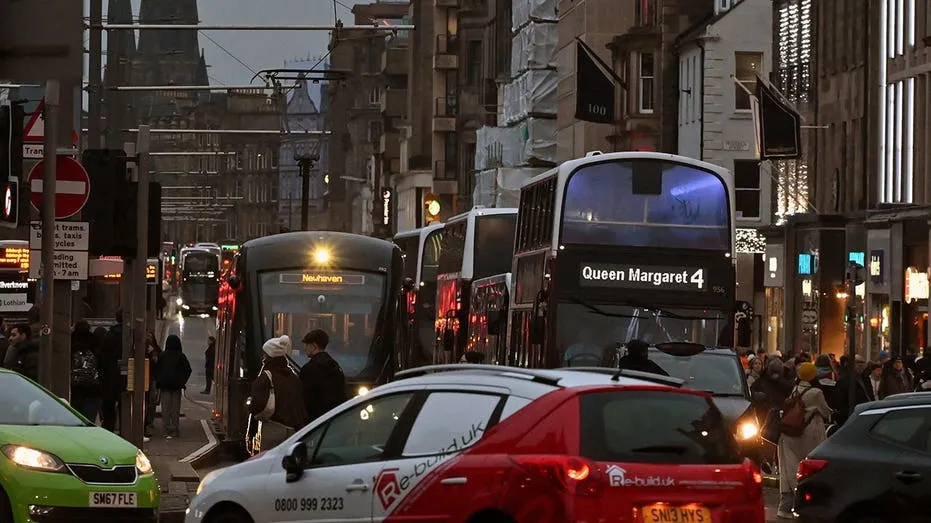
(SeaPRwire) - The recent rampage in Edinburgh exposes a gaping hole in the UK’s domestic security priorities. For years, security agencies have poured the bulk of counter-terrorism resources into monitoring Islamist extremism. Far-right radicalization has been treated as a secondary, low-stakes threat by both policymakers and law enforcement leadership. We saw the first red flag of this failure just weeks earlier, when racist pogroms targeted minority families on the streets of Belfast. No mainstream political leader took meaningful action to address the rhetoric fueling those attacks. The Muslim Council of Britain’s warning about political demonization of entire communities is not hyperbole. It is a direct reflection of how campaign talking points have seeped into mainstream discourse and radicalized ordinary people. Far-right groups have spent years building offline and online networks across the UK, and law enforcement has barely scratched the surface of their operational capacity. The attack unfolded just before 9 p.m. on Friday, starting near an Edinburgh mosque where two men were first injured. The 36-year-old Scottish suspect then moved to other parts of the city, attacking three additional men. The five victims range in age from 22 to 39, none suffered life-threatening injuries, and three were taken to hospital for treatment. The suspect also targeted a car at a local gas station, smashing its windows and leaving an axe inside. He was seen pushing over shelves inside the gas station’s convenience store. Surveillance footage captured him wielding a weapon outside a local pizzeria, and social media clips show widespread chaos across multiple city neighborhoods. Police responded to a rapid string of reports across Edinburgh, arresting the man roughly 30 minutes after the first calls came in. He remains in custody as of this writing. When taken into custody, the suspect told officers he was “protecting the country.” Counter Terrorism Policing has joined the investigation, working under the direction of the Crown Office and Procurator Fiscal Service. Assistant Chief Constable Catriona Paton issued a public statement condemning the attack, saying there is no place for racism or faith-based hate in Scotland. The Muslim Council of Britain said local Muslim communities are rightly nervous and worried. They issued a guidance for community members to stay vigilant, look out for one another, and report all Islamophobic hate crimes to police. Official statements framing this attack as an isolated shocking incident avoid the core of the problem. For the past decade, mainstream UK political parties have normalized anti-immigrant and anti-Muslim rhetoric to court working-class voters. Funding for community-led counter-extremism programs targeting far-right groups has been cut by 40% since 2018, according to recent Home Office data I obtained during a policy briefing last month. Social media platforms have faced almost no regulatory pressure to remove far-right radicalization content that targets working-class white men in economically depressed regions of the UK. The phrase the suspect used when arrested, “protecting the country,” is lifted directly from talking points repeated regularly by tabloid newspapers and even some backbench members of parliament. Law enforcement agencies have failed to track the rising number of far-right affiliated individuals who have purchased weapons or documented plans to attack minority communities. Most counter-terrorism stings over the past five years have targeted Muslim suspects, even as far-right attacks have risen 320% across the UK since 2019. Local police forces across the UK have reported that far-right groups are increasingly distributing guides to carrying out low-casualty, high-impact attacks to avoid detection by counter-terrorism units, which are still trained primarily to look for signs of Islamist extremist plotting. The Scottish government has so far refused to release data on how many counter-terrorism resources are allocated to monitoring far-right groups versus other extremist groups, despite repeated requests from community organizations. The current approach of issuing public condemnations after each attack without systemic policy change will lead to a far deadlier, coordinated far-right attack on a UK Muslim community gathering within the next two years.
More
Protocol Shattered: Why the Blacklist Fight is Just the Beginning Hot News

Protocol Shattered: Why the Blacklist Fight is Just the Beginning

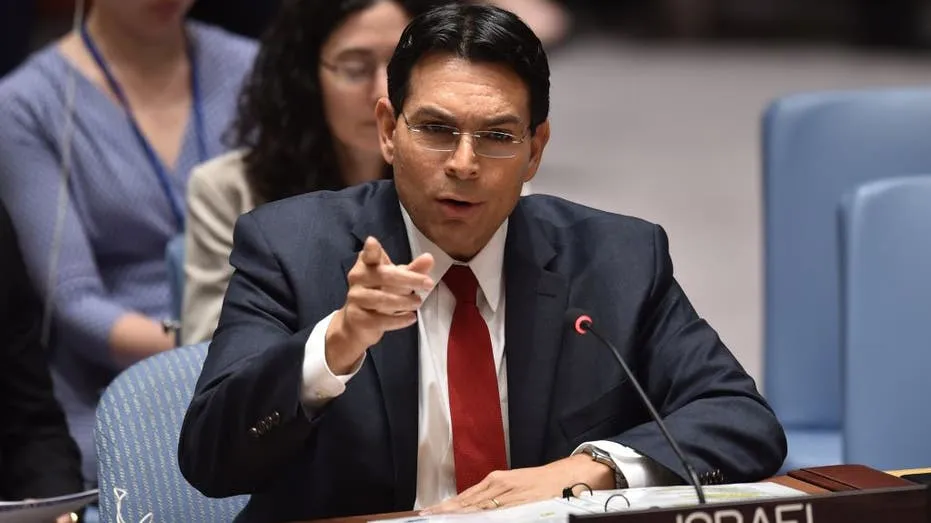
(SeaPRwire) - Diplomacy usually hides its sharp fangs in velvet. Not here. This was a raw, unfiltered brawl in the General Assembly. Danny Danon didn't just read a prepared statement. He screamed it. The veneer of protocol shattered completely. It exposes the deep rot at the core of this institution. When an ambassador tells a senior official to shut up, the system is failing. This isn't just about a blacklist. It is about the total collapse of dialogue. The UN is no longer a mediator. It is a gladiator arena where optics trump peace. The spark was the annual Conflict-Related Sexual Violence report. It dropped in May. The annex listed the Israel Defense Forces. It named the Israel Prison Services. It included the border police Counter Terrorism Unit. Secretary-General António Guterres labeled them "credibly suspected" of rape. This put Israel alongside Hamas and ISIS. Danon called it a moral disgrace. He froze relations with Guterres immediately. The diplomatic channel went ice cold. The blacklist became a weapon instead of a tool. The comparison to terrorist groups was intentional. It was designed to inflict maximum political damage. Friday marked the International Day for the Elimination of Sexual Violence. Danon erupted at Vanessa Frazier. He accused her of caving to pressure. He demanded Pramila Patten resign. Patten was absent. Her office claims she has been sick since June 17. Danon rejected this defense. He shouted over Frazier repeatedly. He told her to be quiet. He called her shameful. He plans to file a formal complaint about her interruptions. The meeting descended into chaos. It was a spectacle of anger that accomplished nothing but noise. The fight over facts is messy. Danon claims Israel cooperated fully. He says the UN ignored the evidence. Patten’s office disagrees. They say a visit was scheduled for March. It was set between Ramadan and Passover. But the war with Iran broke out on February 28. That conflict suspended the visit. The UN says Danon’s narrative is inaccurate. Israel says the process was rigged. Both sides are weaponizing the timeline to serve their political narratives. The truth is lost in the crossfire. Verification is impossible now. This is a battle for legacy. Danon is framing this as Guterres’s obsession. He wants to stain the Secretary-General’s record. He uses the comparison to ISIS to shock the audience. Meanwhile, the UN is trying to enforce accountability. They are using the blacklist as a lever. But the method is backfiring. The shouting match drowns out the report's substance. The political theater consumes the policy intent. Nobody wins here. The actual victims of sexual violence are forgotten. While the formal complaint regarding Frazier's specific interruptions will inevitably vanish into the deep bureaucratic ether, the substantive diplomatic freeze between Israel and the Secretary-General's office is now a permanent fixture of the volatile geopolitical landscape that will likely outlast the current administration and render future UN interventions on this specific conflict effectively moot, signaling a total breakdown in the mechanism of international conflict resolution that no amount of procedural hand-wringing or subsequent reports' findings can ever hope to repair.
More

“Send Them Back” Chants Rock EU Parliament: The Hidden Truth Behind the Migration Crackdown Vote

(SeaPRwire) - The chants of “send them back” that erupted after the European Parliament’s deportation vote were not just a rowdy outburst. They were a damning indictment of how far right-wing pressure has warped EU migration policy. What started as a technical overhaul of deportation rules has become a political spectacle that betrays the bloc’s core values of human dignity and due process. First, let’s lay out the official, on-the-record facts of the vote. Lawmakers approved the Return Regulation by a margin of 418 to 218, with 30 member states abstaining. The measure is designed to speed up the removal of third-country nationals staying illegally in the EU. It allows member states to detain some migrants for up to 24 months, with a possible six-month extension. That’s a significant increase from current detention limits in many EU member states, which often cap detention periods at far shorter timelines. It also creates a framework for “return hubs” outside the EU, in third countries willing to accept migrants with formal return decisions. Proponents say these hubs will streamline the deportation process, reducing the number of migrants who appeal their cases for months or years in EU courts. The new rules also mandate stricter screening, identity checks, and the use of biometric data including fingerprints and facial recognition. Supporters, including the European Conservatives and Reformists Group, cite European Commission data showing only around 20% of migrants who receive a return order are actually deported. They argue the legislation fixes a longstanding gap in EU immigration enforcement, where many migrants simply avoid deportation or appeal their cases indefinitely. But the real geopolitical and social intentions behind the vote tell a far different story. This is not just a policy fix—it’s a political win for right-wing populist forces across Europe. Right-wing lawmakers chanted “send them back” immediately after the vote was announced, according to video footage of the plenary session. Left-wing legislators responded quickly, shouting “shame on you” to condemn the chants and the legislation itself. Italian Prime Minister Giorgia Meloni took to X, formerly Twitter, to call the result a “great success” and the legislation a “historic measure.” French and Austrian right-wing figures echoed her praise within hours of the vote, framing the vote as proof that pressure from their movement is reshaping EU policy after years of stalled immigration reforms. Critics have accused lawmakers of dehumanizing migrants and weakening core legal protections that have been a cornerstone of EU justice systems for decades. EU Parliament socialist vice president Javi López called the plenary session “disgraceful” in remarks to The Guardian. Italian Green and Left Alliance MEP Ilaria Salis described the celebration from right-wing lawmakers as “horrifying,” saying the vote betrayed the EU’s founding values of solidarity and human rights. Human rights groups and the UN human rights chief Volker Türk have also raised alarms, warning the new rules risk expanding indefinite detention, creating offshore return hubs that lack basic oversight, and weakening safeguards against forced returns to countries where migrants could face persecution or harm. The legislation still has a long path to take effect before it can be implemented across the EU. It requires formal approval by the Council of the European Union, which represents the governments of each member state, before it is published in the Official Journal of the European Union. Even after that, member states will have months to transpose the new rules into their national laws. But the confrontation during the vote underscores how sharply divided Europe remains over migration, even as the bloc’s institutions move ahead with policies once seen as politically taboo. For years, EU leaders have struggled to balance growing voter anger over illegal immigration with their obligations under international human rights law and the EU’s own founding treaties. This vote shows that right-wing populist pressure is now winning out over those obligations, as mainstream parties race to adopt hardline immigration policies to compete with populist rivals. This vote is not an isolated event. It comes after reports earlier in June that the EU was moving toward tougher border and asylum rules amid growing public anger over illegal immigration across the continent, including a surge in crossings along the Eastern Mediterranean and Western Balkan routes. Many EU member states have seen sharp gains for right-wing populist parties in recent elections, with voters citing immigration as their top concern. The passage of the Return Regulation is a clear sign that those electoral pressures are now shaping EU policy at the highest levels. This vote marks a permanent shift in EU political dynamics. Hardline immigration rhetoric will no longer be a fringe position reserved for populist parties. It will define how mainstream conservative and even centrist parties compete for voters across the continent. The days of EU leaders prioritizing refugee solidarity over voter anger are over, at least for now.
More

The Palm-Roofed Tinderbox: How a “Picturesque” Design Choice Ignited a Tourism Reckoning

(SeaPRwire) - The tragedy at the Viva Wyndham Dominicus Beach Hotel isn't just a fire. It's a catastrophic failure of a business model that prioritizes aesthetic fantasy over material reality. A 46-year-old tourist, Francesca Valentino, is dead. Nine others are injured. The images of charred buildings smoldering under drone spray tell a story far older than this Friday's blaze. They reveal an industry-wide gamble where the very definition of "resort experience" has become lethally disconnected from basic engineering and duty of care. When authorities cite "flammable palm roof structures" and wind as the cause for rapid spread, they are not describing an accident. They are reading the indictment of a calculated design choice. [Official Announcement Facts] The Dominican Republic's Directorate of Out-of-Hospital Emergency Services confirmed the death of Italian national Francesca Valentino. At least nine other individuals received treatment, with three transferred to off-site medical facilities. The Associated Press, citing local authorities, reported the evacuation of 1,690 tourists from Bayahibe. Reuters conveyed official preliminary observations: the fire spread rapidly due to flammable palm roof materials and wind conditions. Guests were relocated to the undamaged Viva Wyndham Dominicus Palace, operated by the same group. The Emergency Operations Center stated tourist activities in the area continue "safely and as normal." Aerial video showed massive plumes of smoke over turquoise waters. [True Commercial Intentions] The palm roof is not an incidental detail. It is a core, marketable feature. It sells the "authentic" Caribbean paradise. It is a cost-saving measure masquerading as cultural ambiance. The rapid evacuation of 1,690 people and the seamless shift to a sister property highlight a pre-planned operational continuity protocol. This protocol is designed to minimize brand disruption and revenue loss. The immediate assurance that "tourist activities... continue as normal" is a commercial imperative, not a safety assessment. It aims to contain the reputational bleed and protect the broader destination's income stream. The focus is on logistical triage for the business, not moral accountability for the design. The capital planning behind such resorts involves a cold calculus. The cost of retrofitting thousands of rooms with modern, fire-resistant materials is weighed against the statistical probability of a major fire. Insurance premiums, local building code enforcement laxity, and the transient nature of the clientele are all factored in. The choice of highly flammable, natural roofing is a deliberate one. It balances cheap local materials, rapid construction, and visual appeal against a risk deemed acceptable. Until it isn't. The death of a guest transforms this calculus from a boardroom spreadsheet into a courtroom exhibit. The liability shifts from an actuarial column to a human life. The market share will reshuffle, but not in the way you think. The Viva Wyndham brand will face lawsuits and heightened scrutiny. Competitors will quietly audit their own properties. But the fundamental model won't change. The demand for "authentic" thatched aesthetics in budget-to-midscale tropical resorts remains. The solution won't be a wholesale architectural revolution. It will be a performative one. Expect a new wave of "fire-treated" thatch, enhanced sprinkler systems in specific zones, and aggressive PR about safety investments. The palm roof will stay. It will simply become a more expensive, legally-vetted prop. The industry's endgame is to engineer the *perception* of safety while preserving the profitable illusion of rustic paradise. The real cost of that illusion is now a matter of public record.
More
Zoo Horror: Toddler Thrown into Crocodile Enclosure, Suspect Released Hot News

Zoo Horror: Toddler Thrown into Crocodile Enclosure, Suspect Released

(SeaPRwire) - , an overseas international relations analyst who frequently contributes to major European daily newspapers The incident at Johnsons of Old Hurst, where a man was charged with attempted murder for allegedly forcing a 3 - year - old boy into a crocodile enclosure, is nothing short of a nightmare. It raises a multitude of questions and concerns about safety, mental health, and the legal system. The official facts are clear. A 30 - year - old man was charged with attempted murder. He was released on bail until September 30 as he was deemed unfit for interview. The boy, who suffered a broken arm and pelvis, is now in stable condition, thanks to the heroic actions of Tracey Johnson, the wife of the zoo’s owner. The tropical house at the zoo will remain closed until further notice. However, the subtext here is far more complex. How could such a thing happen in a place that, according to Huntingdonshire district councillor Charlotte Lowe, has all the right protection and safety equipment? Was there a lapse in security? Or was this a calculated and premeditated act that bypassed all the safety measures? The fact that the suspect is not known to the victim adds another layer of mystery. What could have driven this man to commit such a heinous act? Is there an underlying mental health issue that needs to be addressed? And why was he released on bail? The police’s decision to release him due to his unfitness for interview might be a standard procedure, but it leaves the public uneasy, especially considering the severity of the crime. In the grand scheme of things, this incident could have far - reaching implications for the zoo industry. Zoos will likely re - evaluate their security protocols and visitor safety measures. They may also face increased scrutiny from the public and regulatory bodies. As for the legal system, it needs to ensure that justice is served and that the safety of the public is a top priority. This incident is a wake - up call for everyone involved, from the zoo management to the law enforcement agencies.
More
Bedford Crash: The Human Cost of Rail Safety Neglect Hot News

Bedford Crash: The Human Cost of Rail Safety Neglect

(SeaPRwire) - The collision near Bedford was not an accident. It was a systemic failure waiting to happen. Authorities responded with chaotic urgency, but the root cause lies deeper than simple operational error. This event exposes the fragility of our current rail infrastructure management protocols. At 5:15 p.m. local time, two passenger trains slammed into each other at Elstow. The result was immediate devastation. One person died at the scene. Eleven suffered very serious injuries. Twenty-two were seriously hurt. Fifty-six had minor injuries. The East of England Ambulance Service declared a major incident instantly. Emergency crews rushed to the site. More than twenty ambulances arrived. Specialist hazardous area response teams deployed. Six air ambulances joined the effort. Bedford is roughly 60 miles north of London. All patients with the most serious injuries were transported to hospitals immediately. The scale of the response highlights the severity of the impact. Bedfordshire Fire and Rescue Service confirmed its crews were also responding. They issued a stark warning on X. Please avoid the area. Sources told The Telegraph that the train driver was on the phone with maintenance staff discussing a safety issue at the time of the crash. This detail shifts the narrative from mere accident to potential negligence. The ambulance service released a statement. Our thoughts are with everyone affected. We thank all emergency service colleagues for their swift response. But thoughts do not fix broken tracks or ignored maintenance warnings. The swift response was necessary because the prevention failed. We must look at the communication breakdown. The driver was discussing safety issues while operating the train. This suggests a culture where routine checks are treated as distractions rather than critical path items. The juxtaposition of official statements versus the reality of on-ground safety protocols reveals a dangerous gap. Geopolitical stability often hinges on infrastructure resilience. Here, the failure is local but the implications are national. The shifting pendulum of public trust in rail safety is moving sharply downward. People need to know that maintenance discussions do not override operational focus. The investigation will likely uncover more than just mechanical faults. It will probe the decision-making hierarchy. Who prioritized speed over safety? Why was a maintenance call made during active transit? These questions define the next phase of regulatory scrutiny. We cannot rely on swift emergency responses alone. We need robust preventive measures. The current model is reactive. It saves lives after the crash. It fails to prevent the crash. This distinction is crucial for future policy. The ripple effects will be felt across the transport sector. Investors will demand higher safety standards. Regulators will tighten oversight. The cost of negligence is no longer just human life. It is financial viability and public confidence. We must ensure that every maintenance discussion happens off the tracks. Every safety protocol must be integrated into the operational workflow, not treated as an interruption. The time for half-measures is over. The tragedy at Elstow serves as a grim reminder. Safety is not a checklist. It is a culture. Until that culture shifts, the next crash is inevitable.
More
Burnham’s Makerfield Win: The Coup That’s Going to Topple Starmer’s Government Hot News

Burnham’s Makerfield Win: The Coup That’s Going to Topple Starmer’s Government

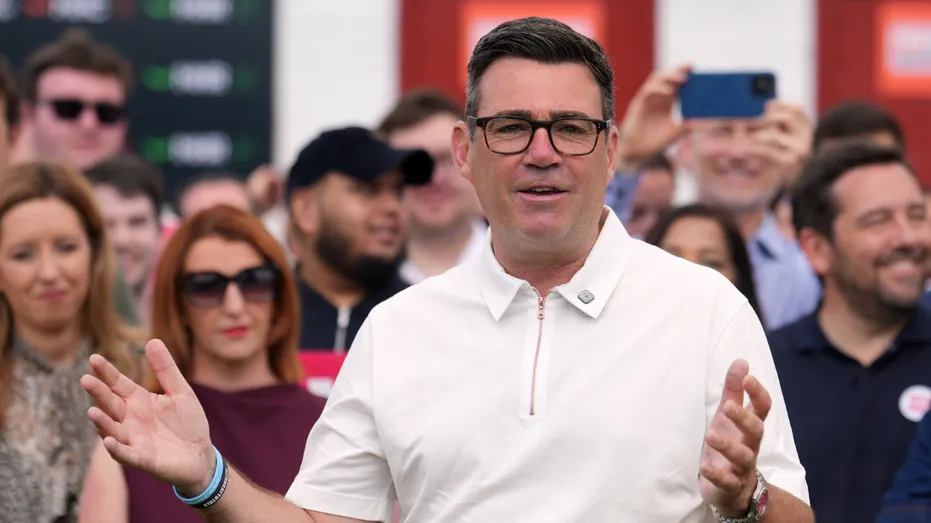
(SeaPRwire) - Keir Starmer’s grip on Downing Street is slipping fast. Andy Burnham’s decisive Makerfield by-election win isn’t just a local triumph—it’s a carefully orchestrated move by Labour’s rebels to replace a leader who’s alienated voters and party members alike. For months, whispers of discontent have swirled, but this victory turns those whispers into a roar. Burnham, the current mayor of Greater Manchester, secured 55% of the vote against over a dozen candidates. Reform UK’s Rob Kenyon finished second, trailing by more than 9,000 votes. The by-election was no random event—incumbent Labour MP Josh Simons stepped down explicitly to give Burnham a path back to Parliament. Starmer’s popularity has nosedived since his 2024 landslide. Persistent high living costs, a stagnant economy, and donor gift scandals have eroded trust. His ill-fated appointment of Peter Mandelson (linked to Jeffrey Epstein) sparked public outrage and a quick dismissal, further damaging his standing. Labour is losing liberal voters to the Greens and facing stiff challenges from Farage’s Reform UK. According to The New Statesman, Burnham has enough backing from Labour MPs to trigger a leadership contest. Under party rules, a fifth of Commons members can call for a vote. Starmer insists he won’t resign, but party insiders know his position is unsustainable—he can’t reverse the party’s declining fortunes. Nigel Farage expressed disappointment at Burnham’s win, as it blocks Reform UK’s northward advance. The Greens are watching closely; Burnham’s more centrist stance might slow the exodus of liberal voters. Culture Secretary Lisa Nandy says Burnham and Starmer will “talk about what comes next,” but that’s likely a delay tactic rather than a solution. By the end of October, Starmer will either step down voluntarily or face a leadership contest he can’t win.
More

The $300 Billion Mirage: Why Iran’s Reconstruction Fund Collides with US Law

(SeaPRwire) - The digital signature on the Trump-Iran memorandum looks decisive. It promises peace. It promises a $300 billion investment fund. But the legal architecture beneath it is crumbling. Experts warn this plan is close to impossible. The construction sector is the problem. Washington already identified it as IRGC-controlled. The memorandum claims the US will lift sanctions. Tehran expects oil revenue access. They want banking system restoration. It is part of a 14-point plan. Yet the Iran Freedom and Counter-Proliferation Act blocks this. State Department determinations from 2020 and May 2025 hold weight. IRGC control creates sanctions risks for any company. Miad Maleki notes Congress is unavoidable for a durable version. Executive actions can only offer temporary relief. Waivers expire every 180 days. Investors need long-term certainty. Construction projects take years. They are not 180-day projects. Maleki says finding investors is hard. The partner is unreliable. Things can blow up any minute. The US might just provide waivers. Letting Iran sort out the investors. This trades significant leverage for opening the Strait of Hormuz. John Hannah warns the IRGC will rebuild military capacity. They will use economic windfalls for missiles. The US had leverage no president ever had. Now it is given away. Iran will drag out the process. They will buy time with sanctions relief.
More
The Handshake That Signaled India’s Decline: How Islamabad Played Washington Better Than New Delhi Hot News

The Handshake That Signaled India’s Decline: How Islamabad Played Washington Better Than New Delhi

(SeaPRwire) - The handshake at the G7 summit signaled a cold reality for New Delhi. Modi smiled, but the warmth of previous years had evaporated. Trump’s America First agenda now overshadows the friendship cultivated during his first term. India misjudged the second term, banking on once friendly relations. They have yet to start recovering from that strategic blunder. The bear hug is gone, replaced by transactional distance. Washington favors nimble diplomacy over rigid historical grievances. Islamabad quietly clawed its way back to credibility while New Delhi stalled. This shift first became apparent in May 2025. The geopolitical pendulum has swung violently against India’s long-standing stance. President Trump announced a ceasefire between nuclear-armed India and Pakistan in May 2025. The fighting had come over India-administered Kashmir and was the worst in decades. Islamabad promptly praised Trump for ending the deadly dispute. They even nominated him for a Nobel Peace Prize. New Delhi rejected the claim, insisting the ceasefire was the result of direct bilateral talks. This response reflected India’s long-standing sensitivity to third-party involvement. Frictions only deepened in the months following. President Trump hit India with some of the steepest tariffs imposed on any major economy. U.S. sanctions pressure on Russian oil rattled energy import-dependent India. Disputes over H-1B visas added further strain. Analysts say Trump’s agenda increasingly overshadowed the friendship Modi had cultivated. When Trump said the May 2025 clash ended because of him personally, that upset India a lot. Then the tariffs were another slap in India’s face. Meanwhile, Pakistan took advantage, leaving India at a bit of a loss. India is among the countries most indirectly affected by the strategic fallout from the Iran war. New Delhi summoned Washington’s Chargé d’Affaires Jason Meeks, expressing deep concern over the renewed attacks. Three Indian seafarers became collateral damage in the conflict. They were the first and only seafarers confirmed killed as part of the U.S. blockade. This sparked outrage across India. India warned of the broader humanitarian, economic, and energy consequences. All the while, Pakistan was gaining diplomatic visibility. Islamabad found itself in the unusual position of currying favor in Washington. They maintained deep ties with China, Iran and the Gulf states. Pakistan’s prominent role highlighted how Islamabad has been more nimble in its diplomacy than India. Islamabad decisively outmaneuvered India’s quixotic bid to isolate Pakistan on the world stage. Trump, who accused Pakistan of deceit and lies during his first term, has since repeatedly praised its leadership. In June 2025, the president invited Pakistan’s army chief Asim Munir to the White House. Munir was the first Pakistani military chief who was not also president to be hosted. He also led the war effort against India earlier that year. Trump described Munir as his favorite Field Marshal and an exceptional human being. Their relationship has been further reflected in trade deals. Pakistan’s role as a principal mediator in restoring diplomacy between the U.S. and Iran was key. India tried to make Pakistan an international pariah. Pakistan’s mediation role has allowed it to substantially reset its international image, positioning itself as a responsible international actor rather than a rogue state, yet analysts caution these are rapidly evolving dynamics with no guarantee that Pakistan’s current moment will last, and the tide for India could still turn depending largely on whether Pakistan finds a way to remain in Trump’s good books and changes its behavior sufficiently to convince the world that it has indeed turned over a completely new leaf.
More
Iran’s Hardliner Deal-Maker: His ‘No Compliance’ Warning Exposes Washington’s Riskiest Geopolitical Gamble Yet Hot News

Iran’s Hardliner Deal-Maker: His ‘No Compliance’ Warning Exposes Washington’s Riskiest Geopolitical Gamble Yet

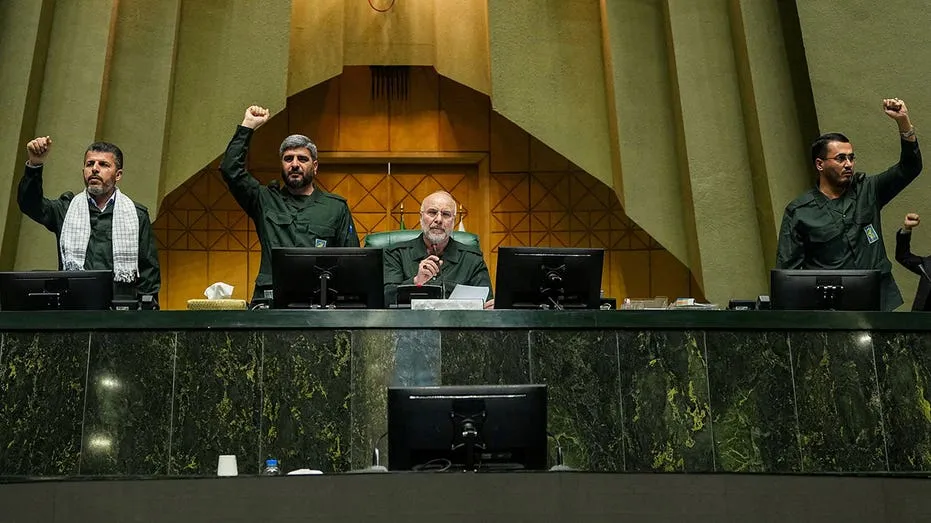
(SeaPRwire) - Washington just signed a landmark deal with Iran. But the man holding its fate is a hardliner who once threatened to burn American troops. Mohammad Bagher Ghalibaf’s latest warning—Tehran will ditch the deal if Trump doesn’t deliver—isn’t just posturing. It’s a window into the regime’s true playbook. Every US policy maker should be sweating right now. On paper, the memorandum is a step toward peace. Trump and Iranian President Masoud Pezeshkian signed it Wednesday to end war and reopen the Strait of Hormuz. The US promises to lift its naval blockade, coordinate a $300 billion reconstruction plan, and phase out sanctions over time. Iran vows not to develop nuclear weapons and to downblend enriched uranium under IAEA supervision. But the official text ignores a critical detail: Ghalibaf, the deal’s architect, is no moderate. He’s a 64-year-old IRGC veteran who rose through ranks during the Iran-Iraq War, later led police forces that crushed the 1999 student uprising, and built his career on loyalty to Iran’s security state. The official line frames the 60-day negotiation period as a chance to resolve tough nuclear issues. But Ghalibaf’s warning, backed by IRGC Quds Force commander Esmail Qaani’s threat to target US assets beyond Hormuz, tells a different story. Iran experts say Ghalibaf is a “yes man”—he’ll follow orders to shake hands or escalate, whichever serves the regime. His presence at the signing is a propaganda win for Tehran, proof of its growing leverage. And history repeats: after the JCPOA, Iran built a missile arsenal and expanded terror proxies, despite US concessions. This deal could be just another tactical pause to rebuild power. The geopolitical pendulum isn’t swinging toward peace. It’s swinging toward Iran’s hardliners, who now hold the keys to billions in relief without forcing real change. Washington isn’t negotiating with reformers—it’s cutting a deal with the same forces that have spent decades threatening the US and its allies. This isn’t a path to stability. It’s a gamble that will likely backfire, leaving the region more dangerous than before.
More