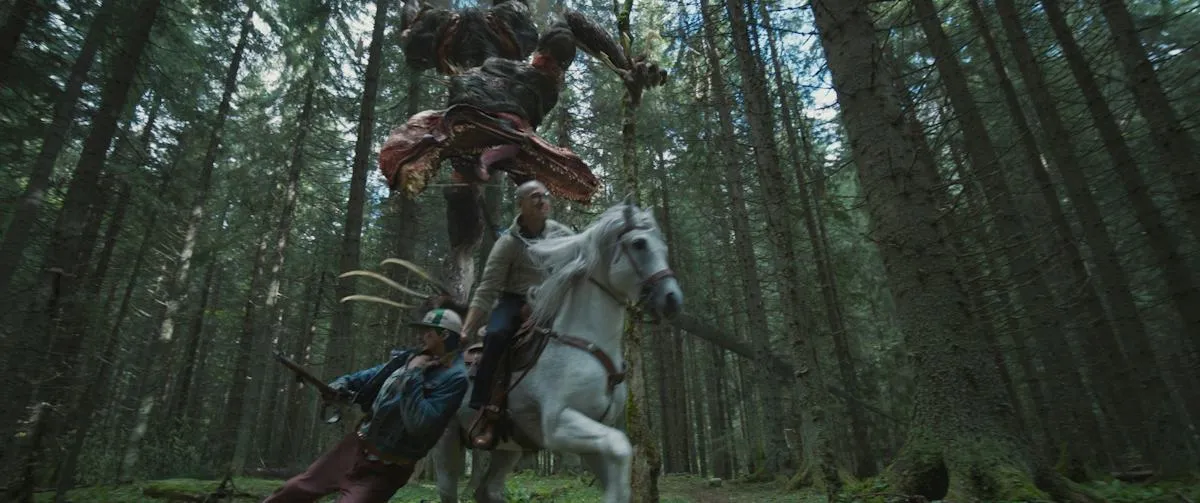




(SeaPRwire) – The controversy surrounding *Hope* exposes a dangerous gap between audience expectations and industrial reality. Na Hong-jin committed nearly $74 million to this project, yet the critical reception focuses heavily on the alien designs and CGI quality. Viewers demand a polished, Hollywood-standard finish. They fail to see the deliberate artistic choice behind the ambiguity. This friction is not a production error; it is a strategic divergence. The industry is currently obsessed with visual fidelity, often at the expense of narrative tension. Na Hong-jin is attempting to buck this trend by prioritizing mystery over clarity. The backlash against the “shoddy” effects is a symptom of a market that has forgotten how to appreciate ambiguity. When you strip away the visual noise, you are left with a story about a community under siege. The controversy is a distraction from the core narrative. The “unrealistic” look is not a flaw; it is a tool to build suspense.
The financial commitment is staggering. The budget reached 100 billion won, making it the most expensive South Korean film ever. This scale attracted Hollywood heavyweights like Michael Fassbender and Alicia Vikander. The cost ballooned because Na storyboarded the action sequences meticulously. He wanted to execute what he drew. This physical approach to a “nonstop thrill ride” requires significant resources. It is not just about the actors; it is about the infrastructure of the production. The interview reveals that the challenge was maintaining speed without relying on CGI. This is a technical constraint that drives up costs. You need better cameras, better crews, and more time to shoot high-speed objects in real life. The “unrealistic” look is a byproduct of this physical execution. The director admits that the challenge was following high-speed objects without CGI. This requires a level of technical precision that is expensive and difficult to achieve. The budget reflects the difficulty of the task, not a lack of skill. The decision to shoot without CGI for high-speed objects is a bold move that increases the risk but also the authenticity of the film.
The setting in a 1990s coastal town near the North Korean border serves a specific economic and narrative purpose. It isolates the community, creating a consolidated environment for conflict. The alien designs, initially criticized as shoddy, were intended to be ambiguous. Na wanted to maintain curiosity. The Cannes cut was unfinished, described as a “halfway mark.” The final version refined the visual effects to better convey the social status and relationships of the creatures. This evolution was part of the plan, not a post-production fix. The director explicitly stated that the intention was to not look “too obviously alien.” This is a deliberate choice to keep the audience guessing. The “monstrous” first alien and the more defined later aliens represent a narrative progression, not a design flaw. The design is meant to convey social status and relationships. The aliens are not just monsters; they are characters with their own dynamics. The setting of a sleepy small coastal town allows for a focused narrative about human resilience. The isolation of the town mirrors the isolation of the characters from the outside world.
The market will punish those who confuse budget with quality. If you spend $74 million and deliver a generic product, you fail. If you spend it to create a unique narrative tension, you win. The industry is moving toward high-cost, high-risk productions. The winners will be those who understand the difference between a visual effect and a narrative tool. The future belongs to directors who can justify the cost through unique storytelling, not just spectacle. The “unrealistic” alien design is a feature, not a bug. It forces the audience to engage with the story on a deeper level. The success of *Hope* will depend on whether the audience can appreciate the nuance of the director’s vision.