(SeaPRwire) – By: Logan Pierce
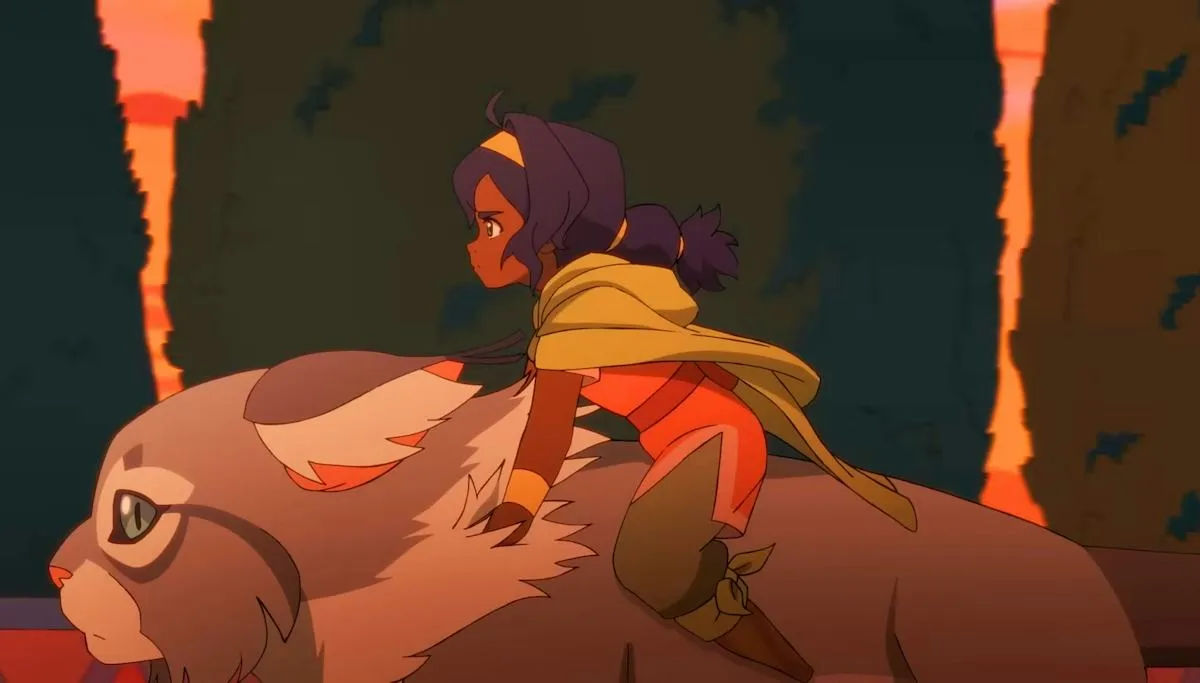
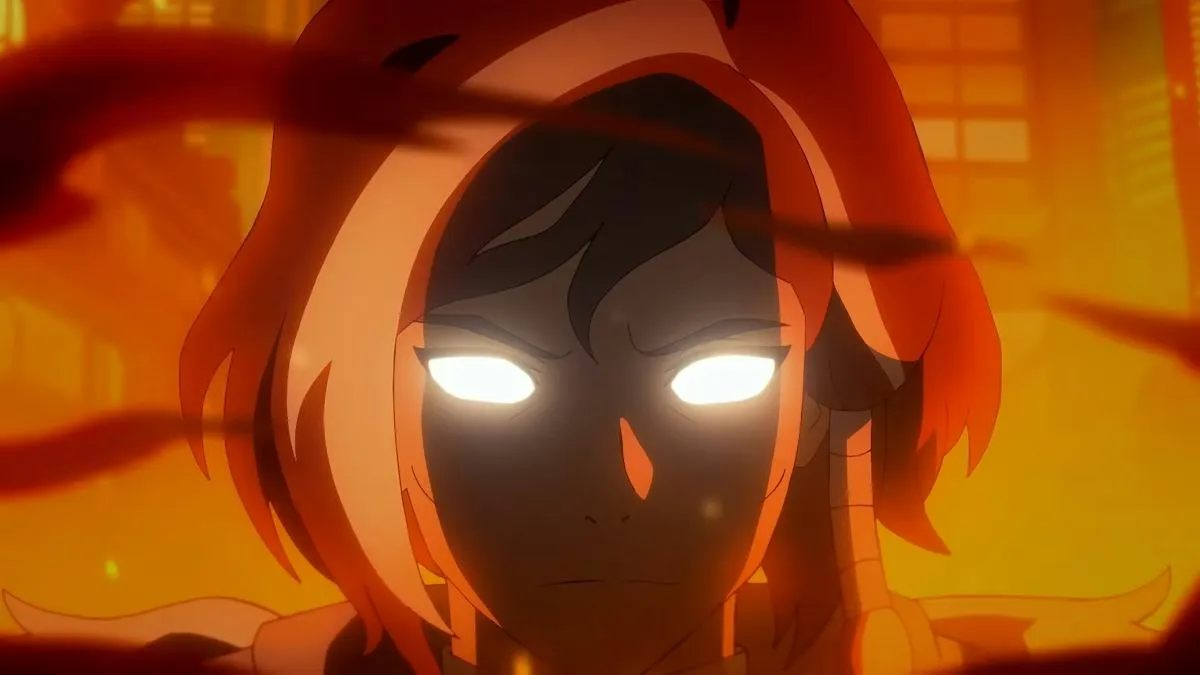
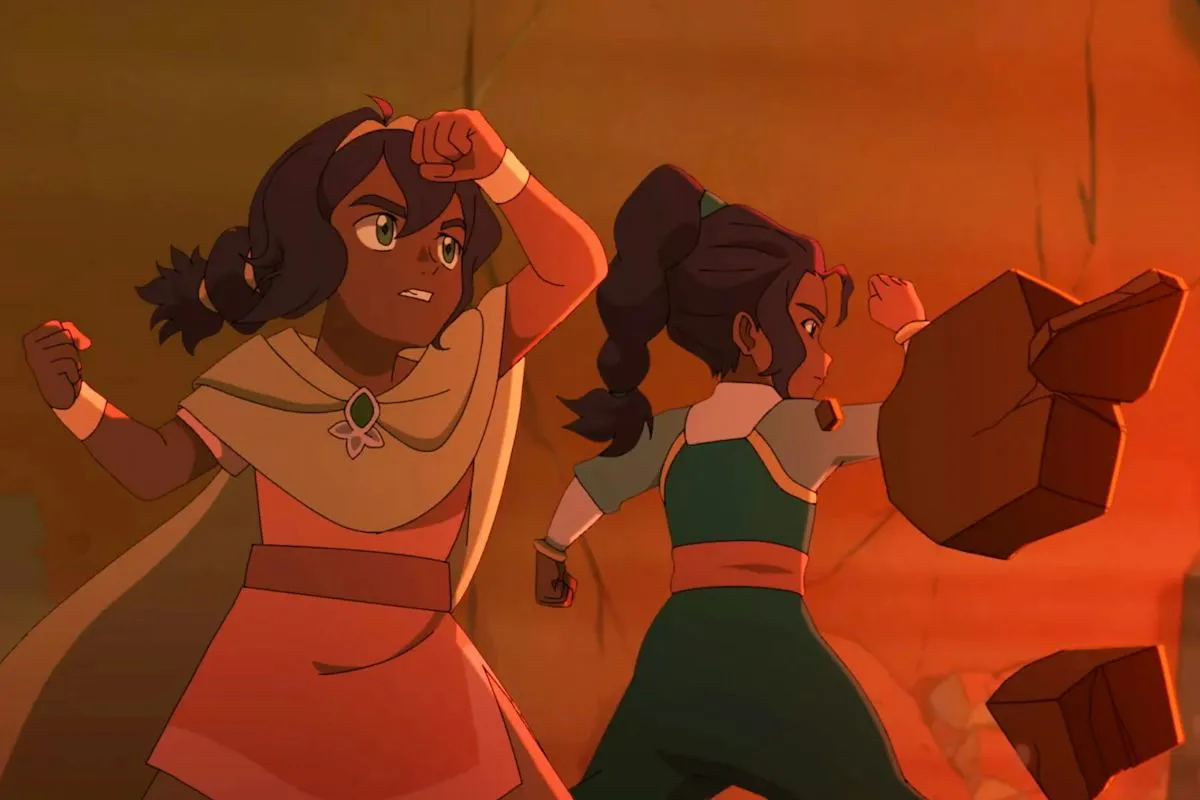
Paramount+ has an Avatar problem. The Legend of Korra never carried the same cultural weight as the original series. Nickelodeon shuffled Korra’s final season to digital after ratings slid. Fan grievances about Korra’s 1920s setting and the broken Avatar cycle now shape how Paramount presents Seven Havens. The trailer’s flashback of an older Korra in the Avatar State is not just plot. It is brand repositioning. The company wants viewers to associate the new show with Aang-era fantasy, not Korra’s industrial jazz age. Producer Ethan Spaulding signals that shift. He says the show has “more of a fantasy look.” Translation: Paramount is undoing Korra’s aesthetic to protect merchandising and rewatch value.
The release strategy is unusual. Paramount+ will post both seasons at once on October 9. That move creates a dense binge event, but it also front-loads risk. If the mystery misses, there is no weekly reset to rebuild word of mouth. Producer Sehaj Sethi says the story sits about 225 years after Legend of Korra ends. That is a gap that raises continuity questions. Michael Dante DiMartino wants audiences asking how the world got so bad, why people hate the Avatar, and how Pavi lost her leg. That question-driven structure mirrors a streaming retention play. The platform needs viewers to consume fast before churn decisions land.
The creative team is taking a sharp knife to Korra. The trailer suggests she caused the cataclysm that returned the world to a pre-industrial age. That is a heavy price to place on a character many fans already criticized. Sethi and Spaulding frame the 225-year jump as a clean break. But clean breaks are rare in franchise economics. Paramount still owns Korra as catalog content. Making her the villain of the new world may boost Seven Havens curiosity, but it risks devaluing the previous series in the long tail. Licensing partners care whether online sentiment around Korra sinks. If fans blame Korra entirely, older seasons lose rewatch lift. That is the hidden transaction cost.
This is not just a creative choice. It is a franchise repair manual. The producers are using time to sever merchandise continuity. Toy makers and publishing partners don’t need to reconcile Pavi with Korra-era Republic City. The pre-industrial setting resets shelf aesthetics closer to Aang’s world, which has proven product demand. Spaulding’s line about fantasy look signals a target for licensing. The 225-year gap also gives game developers and comic writers nearly two centuries of blank space. That is not wasted time. It is licensed expansion turf. Other legacy animation brands will study whether audiences accept the retcon. If they do, expect similar decisive jumps.
Paramount+ needs this to work as a subscription event. Dropping both seasons October 9 is effectively a one-month retention play. New viewers can finish quickly, but the platform is betting that the mystery keeps them through the next billing cycle. That is a high-pressure structure. Weekly releases would have allowed social media to reset demand. A full-drop model leaves no room for midseason corrections. It also signals low confidence in episodic pacing. The creators have shifted toward a mystery show, which fits binge models but often burns out rewatch value. For a streaming service with tighter budgets, that is a real trade.
Either Seven Havens resets the Avatar franchise for another decade, or Paramount has just spent its strongest animated asset trying to escape Korra’s shadow.
Author bio: Logan Pierce, an independent business researcher and corporate governance writer on Medium.