(SeaPRwire) – By: Robert Kensington
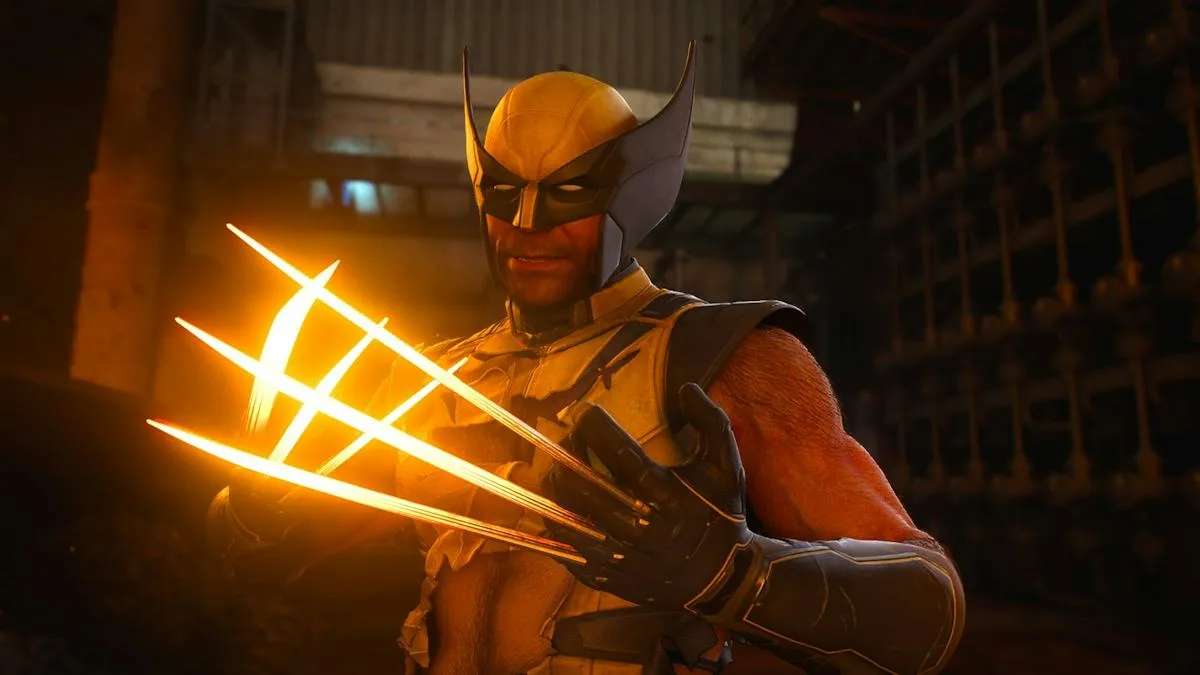
Wolverine is the franchise tax that every X-Men adaptation keeps paying. No studio has ever successfully managed around it. Every major adaptation gets a gravity well pulling narrative resources toward Logan. The ensemble cast that spent decades building layered character histories in the comics gets hollowed out. Characters get reduced to supporting roles or forgotten entirely. Xavier, Cyclops, Jean Grey, Storm, Kitty Pryde, Magik, Cable. All of them have had their time as the central hero in the comics. The MCU’s X-Men reboot has one chance to correct decades of media neglect. But first it has to navigate the gravitational pull that Logan exerts on every X-Men project he touches. Insomniac Studios has every creative right to center Logan in Marvel’s Wolverine. The game drops September 15 on PlayStation 5. But the MCU reboot needs to make a fundamentally different bet. The casting slate announced at D23 suggests Marvel Studios is finally aware of the problem. Whether they have the organizational discipline to follow through is a separate question entirely. This is not about fandom debates. It is about how a billion-dollar IP portfolio gets managed when one character’s cultural footprint is so massive that it distorts every other character’s commercial visibility and narrative oxygen.
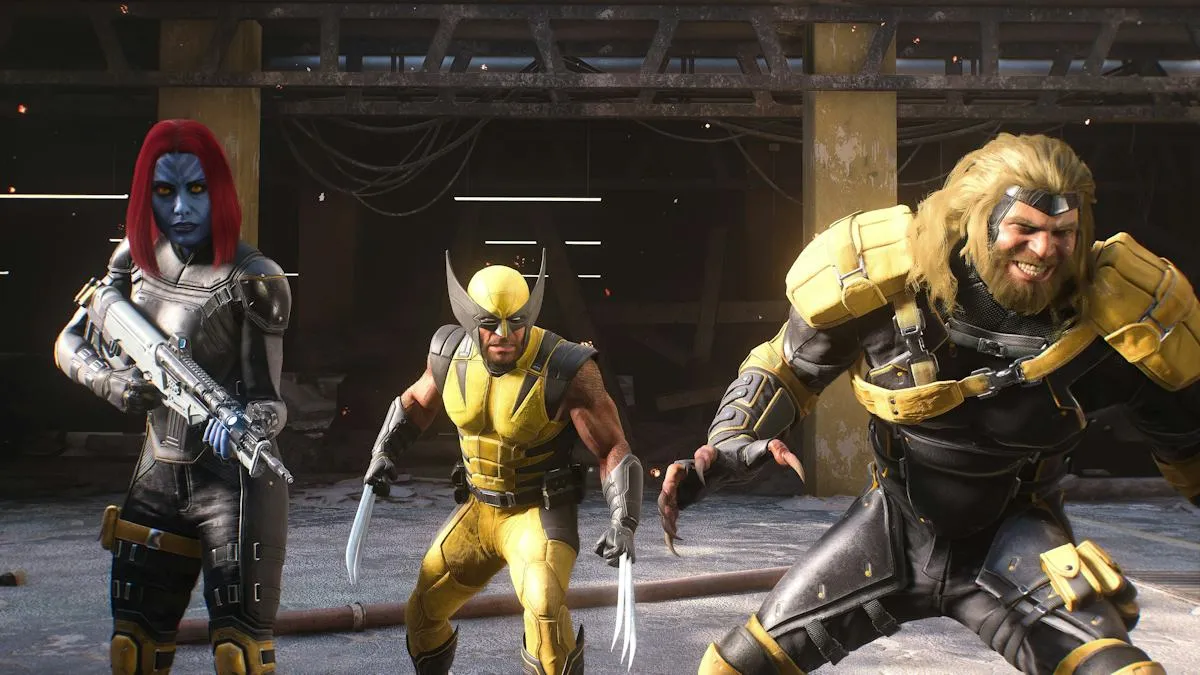
Here is what was officially confirmed. Sadie Sink as Jean Grey in Spider-Man: Brand New Day. Kit Connor as Scott Summers. Inde Navarrette as Rogue. Maya Boyd as Storm. Christopher Abbott as Professor X. Samara Weaving as Emma Frost. Adam Driver as Nathaniel Milbury. That name is almost certainly a version of Mister Sinister. No Wolverine. No Logan. No Hugh Jackman. The absence is deliberate. Or at least it is calculated. Now look at what Marvel’s Wolverine actually does. Logan sits on Team X alongside Sabertooth and Mystique. He was recruited not by Professor X. He was recruited by Nathaniel Essex. Essex is the human version of Mister Sinister, portrayed in the game as an unlikely ally of mutantkind rather than a villain. The game operates in the same universe as Insomniac’s Spider-Man series. That gives the developer a blank slate to craft its own vision of mutantkind from the ground up. Unlike traditional Marvel Comics canon where Logan is recruited alongside Storm, Nightcrawler, and Colossus by Professor X. Team X exists in comic canon as a federal hit squad Logan once belonged to. The game recontextualizes it as a task force dedicated to saving mutants from oppression. These are creative liberties. Creative liberties in games are expected. They are frankly necessary for the medium to differentiate itself from other adaptations. A game built around one character is a natural design choice. The developer is not obligated to replicate the comic’s ensemble structure.
But there is a pattern here that deserves scrutiny. Fox spent fourteen years building X-Men films that were structurally Wolverine vehicles. Even when they were not marketed as such. Bryan Singer’s original trilogy centered Logan at the expense of every other character. Days of Future Past hijacked Kitty Pryde’s main character status and handed it to Logan. Logan got a spinoff trilogy. No other X-Man received that treatment. Even the films that went back to Xavier Institute origins still operated as Logan-centric narratives. X-Men: First Class told the story of Xavier’s early days. It still put Logan at the center. X-Men: Apocalypse. Same structure. Dark Phoenix. Same pattern underneath the Phoenix-vehicle framing. Now Marvel’s Wolverine game replicates the same pattern. No Professor X. No full X-Men roster. Just Logan in a rebranded team. The game is doing exactly what it is supposed to do. It is a Wolverine game. But it exists within the same cultural moment as the MCU reboot. That proximity makes the contrast impossible to ignore. If Insomniac follows this up with a larger X-Men game that includes Logan, the precedent is set. The game will anchor itself to the one character audiences already associate with the franchise name. The franchise does not need another Logan-centric entry. It needs a team that audiences care about on its own terms.
The industry subtext is where the real strategic tension lives. The MCU reboot can break this cycle. And the casting decisions suggest Marvel intends to try. But here is the structural challenge they are navigating. Wolverine has become so culturally dominant that he transcends the team itself. Any X-Men project that features him will become the Wolverine thing. That is regardless of what actual story is being told. That is not a creative problem. That is a brand portfolio problem with real financial consequences. Think about how it plays out at a product launch event or a press conference. Announce the X-Men with Logan in the project. The press cycle becomes about Logan. Audience expectations reset to whatever Logan can deliver in terms of spectacle and physical action. Announce the X-Men without Logan. You get a different press cycle. You get conversations about Jean Grey’s psychological arc. About Storm’s institutional authority and her role as a leader. About Professor X’s role in building a legacy. You get character-level interest that compounds over time and builds deeper audience engagement. But you also get a patience problem. The audience will not wait forever. The demand for Wolverine in an X-Men context is massive and vocal. Social media amplifies it at a velocity that studios cannot ignore. Every additional X-Men film that excludes him feeds both speculation and anticipation. Those are double-edged swords in the franchise portfolio.
The question Marvel Studios actually needs to answer is this. Can they engineer even one strong X-Men entry without Logan? It needs to generate cultural momentum comparable to the Fox-era Wolverine entries. If they can, they push the Wolverine reveal to a second or third film. They let the ensemble breathe. The real risk is timing. Too soon and you are back to the Fox mistake. Too late and audience fatigue sets in. The franchise loses its window before it fully opens. The D23 casting reveal is a good first move. But the first X-Men film needs to land with the confidence of a true ensemble piece. Not a slow burn designed to build toward a Wolverine teaser reveal. Keep Logan in the game. Let him roar on PS5. Keep him out of the movies until the new cast has earned their own gravitational pull in the audience’s consciousness. That is the only way to break fourteen years of franchise inertia. Without triggering the cancellation spiral that comes when audiences feel they are being played for anticipation. The franchise does not need another Logan-centric entry. It needs a team that audiences care about on its own terms.
Author bio: Robert Kensington, an overseas entrepreneurial veteran with decades of experience in real-economy industrial investment and expansion, now consulting on entertainment IP portfolio strategy for major studios.