By: Oliver Hawthorne
(SeaPRwire) – The horror gaming sector is trapped in a creative chokehold. For nearly a decade, publishers have chased a single, highly profitable formula. One killer hunts four survivors in a closed arena. This asymmetric multiplayer template has colonized every major horror intellectual property. We saw it with Jason Voorhees. We saw it with Leatherface. Even the Killer Klowns could not escape this design trap. It is a cheap way to monetize nostalgia. Developers simply paste famous skins onto a stale loop. This trend reveals a deep industry anxiety. Studios fear the financial risk of single-player campaigns. They dread building complex worlds with actual narratives. Instead, they rely on players to generate their own fun. This lazy design philosophy dilutes the essence of psychological horror. True terror requires pacing, isolation, and atmosphere. You cannot achieve dread when teenagers are teabagging a slasher villain online. The industry has forgotten how to make players feel genuinely alone. This systemic copycatting has left fans starved for real substance. The market is saturated with party games masquerading as nightmares. This saturation stems from a broader corporate obsession with live-service revenue. Executives view single-player games as one-time transactions. They prefer recurring player spending through cosmetics and battle passes. This financial model works for massive shooters. It fails miserably when applied to intimate horror franchises. A franchise like Hellraiser relies on psychological depth. It explores the dark intersections of desire and torment. You cannot translate that thematic complexity into a competitive lobby. When you turn Pinhead into a mere obstacle in a tag game, you strip away his power. The tension evaporates. The dread becomes a minor annoyance. This mismatch has created a massive rift in the market. Gamers want to experience the actual lore of these worlds. Publishers only want to sell them digital outfits. This conflict has stalled the evolution of the genre for a generation.
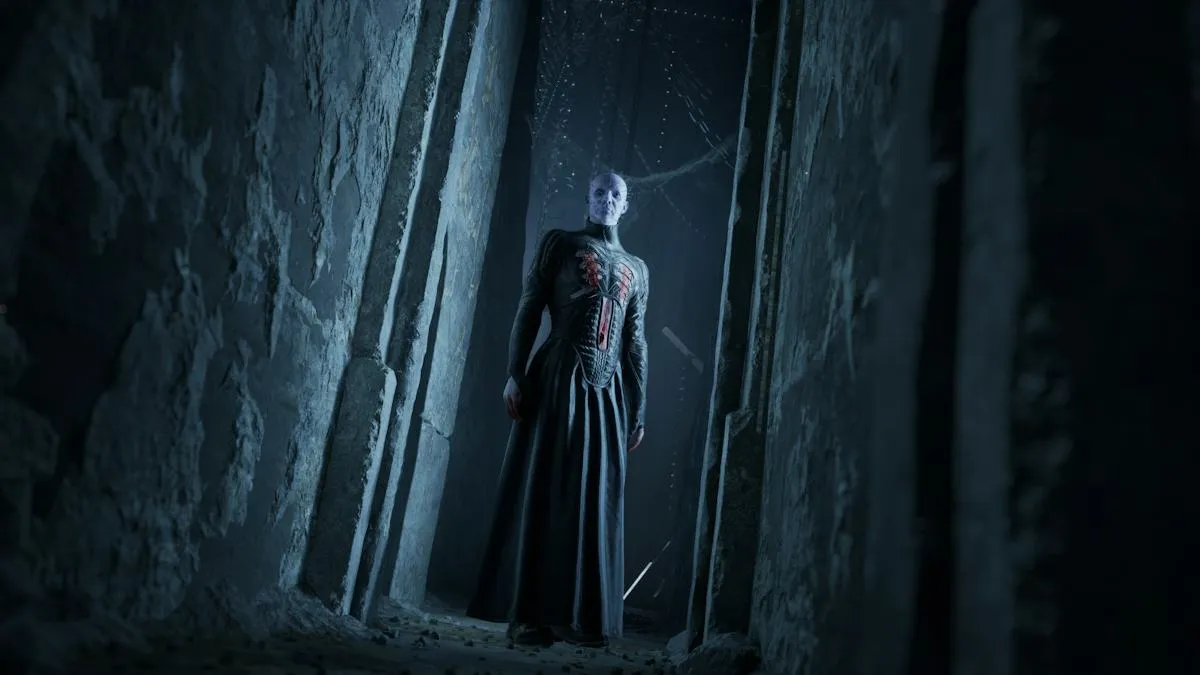
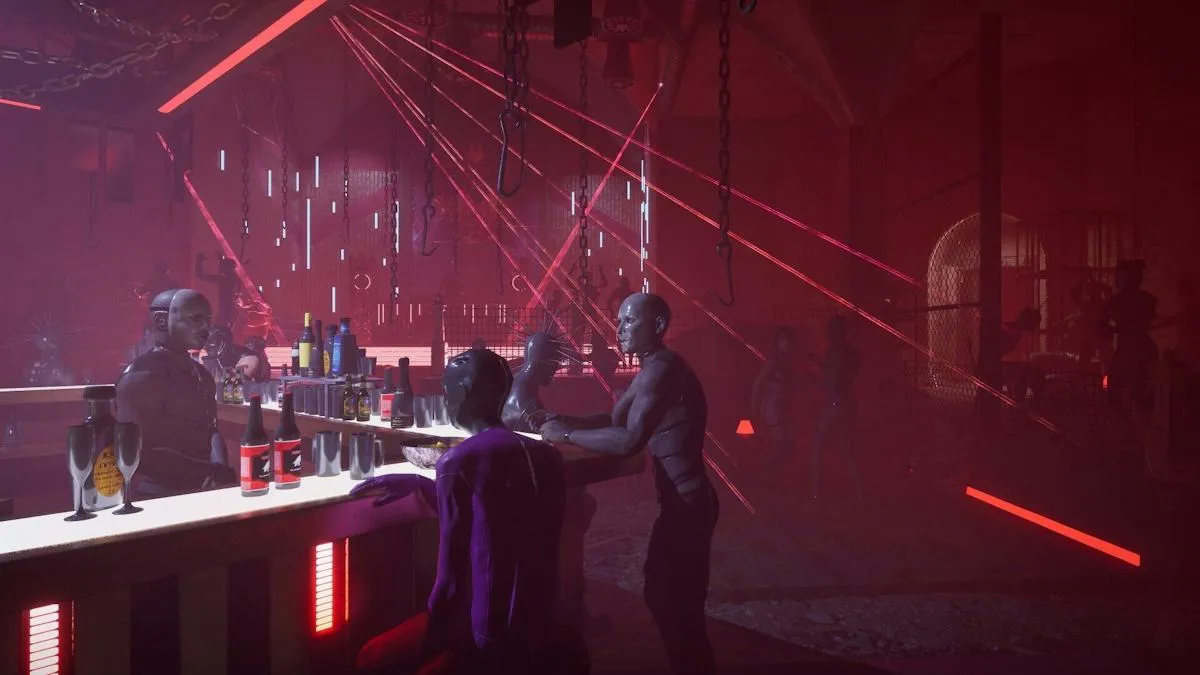
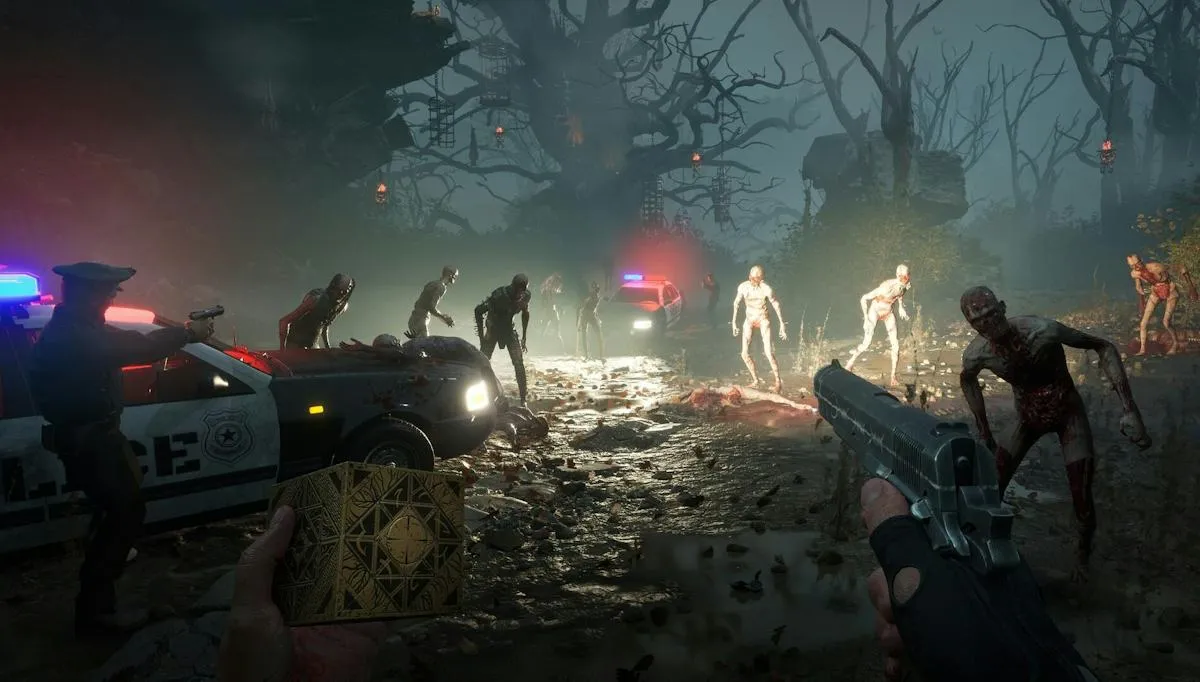
Saber Interactive is attempting to break this cycle with Hellraiser: Revival. The game launches on October 8 for PlayStation 5, Xbox Series X/S, and PC. It rejects the multiplayer trend entirely. Instead, it delivers a grueling single-player survival horror experience. The narrative takes place two decades after the original film. Clive Barker himself consulted on the project. This involvement ensures the game retains its transgressive roots. Players control Aidan Lynch, a former biker gang enforcer. His girlfriend, Sunny, accidentally solves a puzzle box called the Genesis Configuration. This act occurs during a moment of intense passion. It immediately summons the Cenobites. Chains drag Sunny into the Labyrinth, a hellish alternate reality. Aidan must navigate this maze to save her. He faces Pinhead, the Chatterer, and a depraved cult called the Scarlet Church. This group runs a neon-lit fetish club as a front. The level design draws heavily from the leather bars that inspired the original novella. It also references the surreal, M.C. Escher-style architecture of the second film. Gameplay mirrors classic survival horror like Resident Evil. Aidan manages scarce resources and fights with blunt weapons and firearms. He also uses the Genesis Configuration to solve puzzles and banish monsters. The game forces players to confront the thin line between pain and pleasure. Aidan starts vulnerable but slowly builds an arsenal. He fights off corrupted monsters created by the Church. The combat loop balances traditional shooting with puzzle-box mechanics. This design respects the intellectual property while offering modern gameplay.
This release represents a critical test for licensed horror games. The commercial loop of asymmetric multiplayer is decaying. Players are tiring of endless battle passes and repetitive matches. Hellraiser: Revival proves that premium, narrative-driven horror can still command attention. It follows the successful blueprint of Alien: Isolation. That title proved that deep respect for source material yields high player engagement. Publishers must realize that horror fans value atmospheric immersion over social lobbies. The ultimate industry end-game will force a sharp market correction. Low-effort multiplayer cash-grabs will lose their funding. Capital will flow back to specialized, single-player experiences. Studios will have to invest in strong writers and atmospheric level designers again. The success of Saber’s latest venture will likely accelerate this transition. It shows that niche, transgressive themes can find a mainstream audience without compromising their identity. The era of forcing square pegs into round multiplayer holes is ending. Survival horror is reclaiming its crown. This shift will redefine how studios license intellectual property. In the future, IP holders will demand narrative fidelity. They will reject simple skin collaborations in generic multiplayer games. The market will reward developers who build bespoke systems for specific franchises. We will see fewer generic clones and more tailored experiences. This transition will benefit both players and creators. It will restore artistic ambition to a genre that was nearly hollowed out by corporate greed. The success of this title marks the beginning of that recovery.
Author bio: Oliver Hawthorne, Principal Correspondent permanently stationed at an international technology review, specializing in interactive entertainment economics and the evolution of digital distribution platforms.