
(SeaPRwire) – By: Christian Pierce
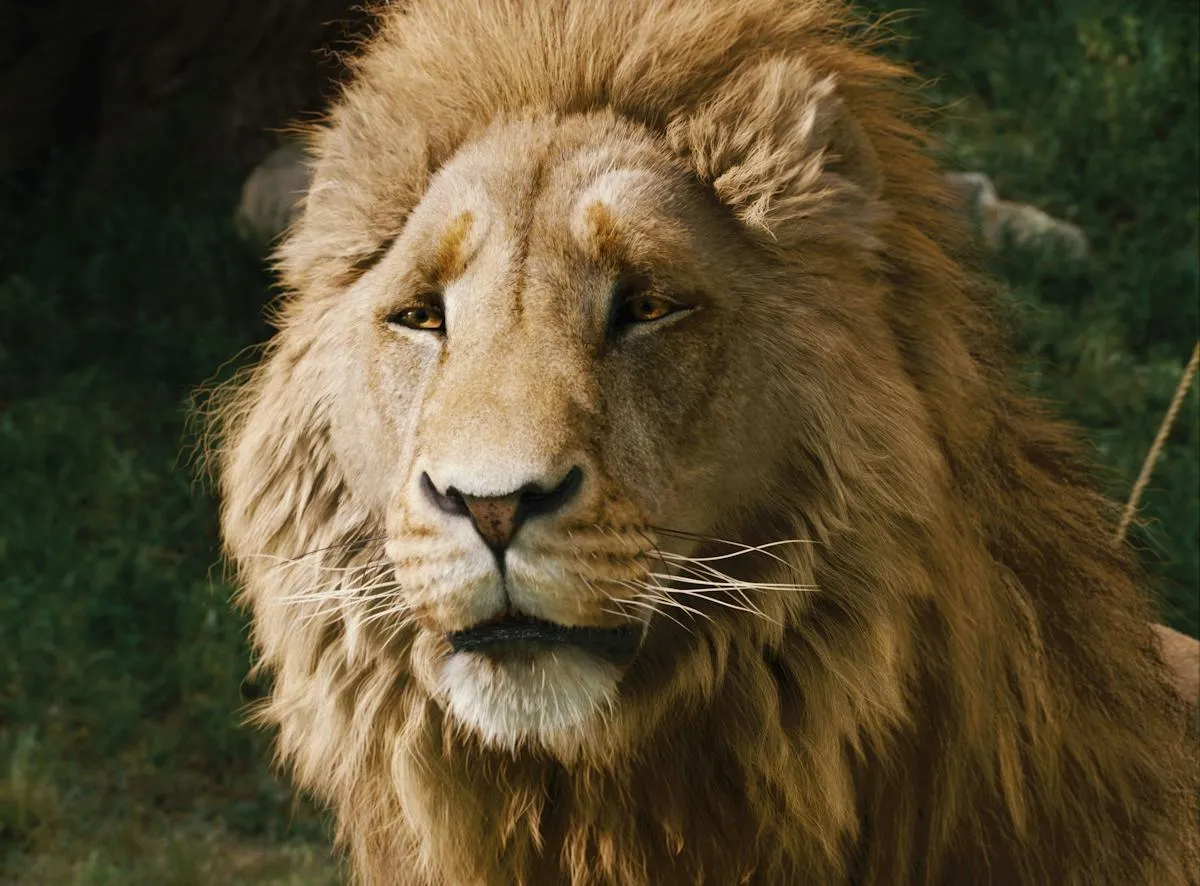
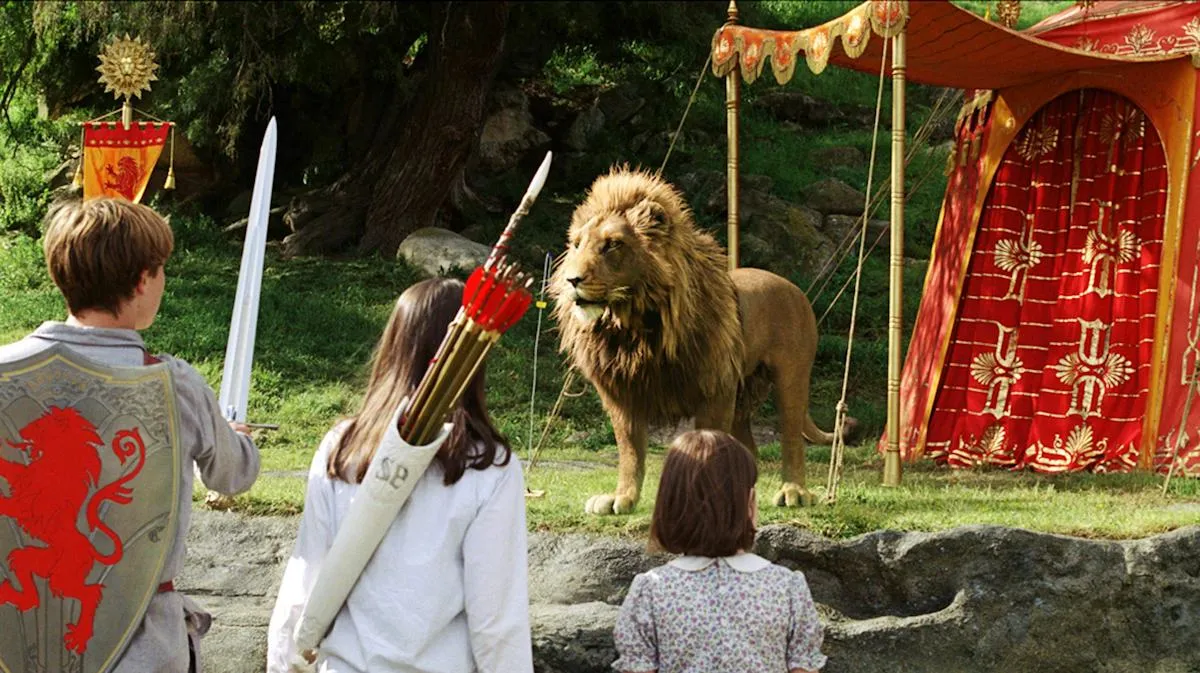
Adaptations of beloved intellectual property face a brutal commercial paradox: fidelity reassures the existing fanbase, but fidelity alone has never once expanded one. Netflix now confronts this deadlock head-on with Greta Gerwig’s take on C.S. Lewis’ The Chronicles of Narnia. The first-look photos from Empire ignited immediate discourse — a David Bowie-inspired Aslan voiced by Meryl Streep, the White Witch in a minidress, and the timeline shifted decades forward. Purists panicked. But the loudest attack didn’t come from fans. Ted Baehr, chairman of the Christian Film & Television Commission, told CBN that Lewis’ own family was upset, claiming they worried the changes would “destroy the brand.” His real grievance surfaced quickly. Lewis was a devout Catholic, Baehr argued, and a woman voicing the series’ central savior figure was, in his framing, sacrilegious. “God is a father, He is not Meryl Streep pretending to be a father, He’s not trans,” he said. That’s not a brand-protection argument. It’s a culture-war claim wearing an estate’s clothes. And it collapsed almost immediately under the weight of a single fact.
The fact-check arrived from the only source that matters: Lewis’ two stepsons. Their statement was unambiguous. “From our ongoing conversations with Greta Gerwig, we have personally witnessed her sincere passion for the Narnia series,” they said. “Her life-long love of C.S. Lewis is apparent to everyone involved with this film. We saw this enthusiasm during our visit to the set in London. We are thrilled to be working with such a talented and accomplished director and production team, and are keen to continue working with them on future projects.” Read that last clause carefully. “Future projects.” That’s not damage control. That’s a long-term commercial partnership being publicly reaffirmed mid-controversy. The estate isn’t tolerating Gerwig’s vision; it’s underwriting it, and it wants this caliber of talent applied across all the Chronicles of Narnia. Meanwhile, the aesthetic changes themselves follow a pattern any honest observer of adaptation history recognizes. Telemachus says “Dad” in The Odyssey. The bullies in Carrie use Instagram. A female Aslan and a shifted timeline sit comfortably inside that lineage. The source text’s spiritual architecture remains intact even when its surfaces move. Lewis isn’t alive to weigh in, just as Bram Stoker never reviewed Nosferatu and Mary Shelley never chose between del Toro’s Frankenstein and Lisa Frankenstein. The estate’s endorsement is the closest proxy available, and it has now spoken twice — once by visiting the set, once by rebutting a critic in writing.
The commercial logic underneath is straightforward. Netflix didn’t acquire Narnia to service nostalgia; it acquired a multi-book fantasy franchise that needs a new generation of viewers, and new generations don’t arrive for museum-piece recreations. They arrive for reinterpretation. Gerwig’s shifts — era, casting, tone — are the cost of admission for franchise longevity. The controversy itself functions as free marketing, and the estate’s swift rebuttal of Baehr inoculated the project against the most damaging narrative: family disapproval. What’s left is discourse that drives curiosity rather than boycott. The endgame here is visible. Narnia: The Magician’s Nephew premieres in theaters on February 12, 2027, and if it lands, the estate has already signaled it wants this team on the remaining chronicles. For investors watching streaming IP economics, the lesson is sharp: the value of a literary franchise isn’t locked in its original text. It’s locked in who controls the license and how aggressively they’ll defend reinvention. Netflix and the Lewis estate just demonstrated both. The estates that cling to frozen canons will watch their assets depreciate; the ones that endorse bold adaptation, as Lewis’ stepsons just did, will own the next decade of fantasy box office.
Author bio: Christian Pierce is a chief financial columnist and markets commentator covering media franchise economics, streaming strategy, and intellectual property valuation, with a focus on how legacy brands are restructured for modern audiences.