
(SeaPRwire) – By: Robert Kensington
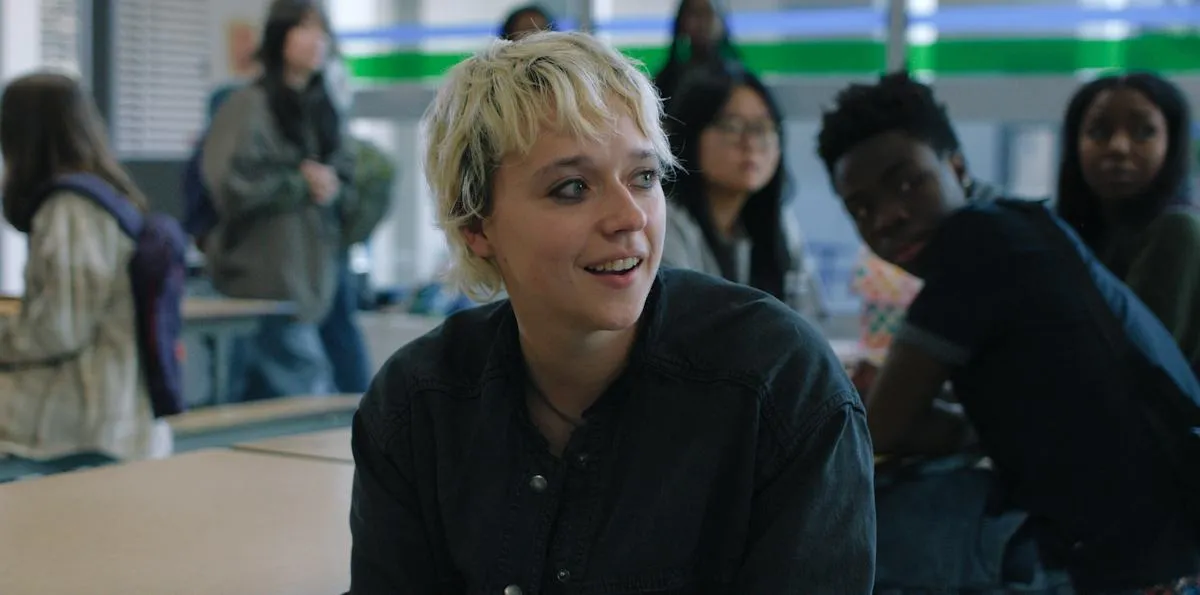
Mike Flanagan has spent his career proving that adaptations don’t need to bow to source material. With Carrie, he didn’t just diverge. He dismantled the entire emotional architecture of the Stephen King novel and rebuilt it as something designed to survive beyond its first season. The press release quotes him saying the priority was simply to give Summer H. Howell’s Carrie a complete, honorable ending. That sounds like artistic integrity. It also sounds like a carefully measured statement from someone who knows exactly how the streaming game works.
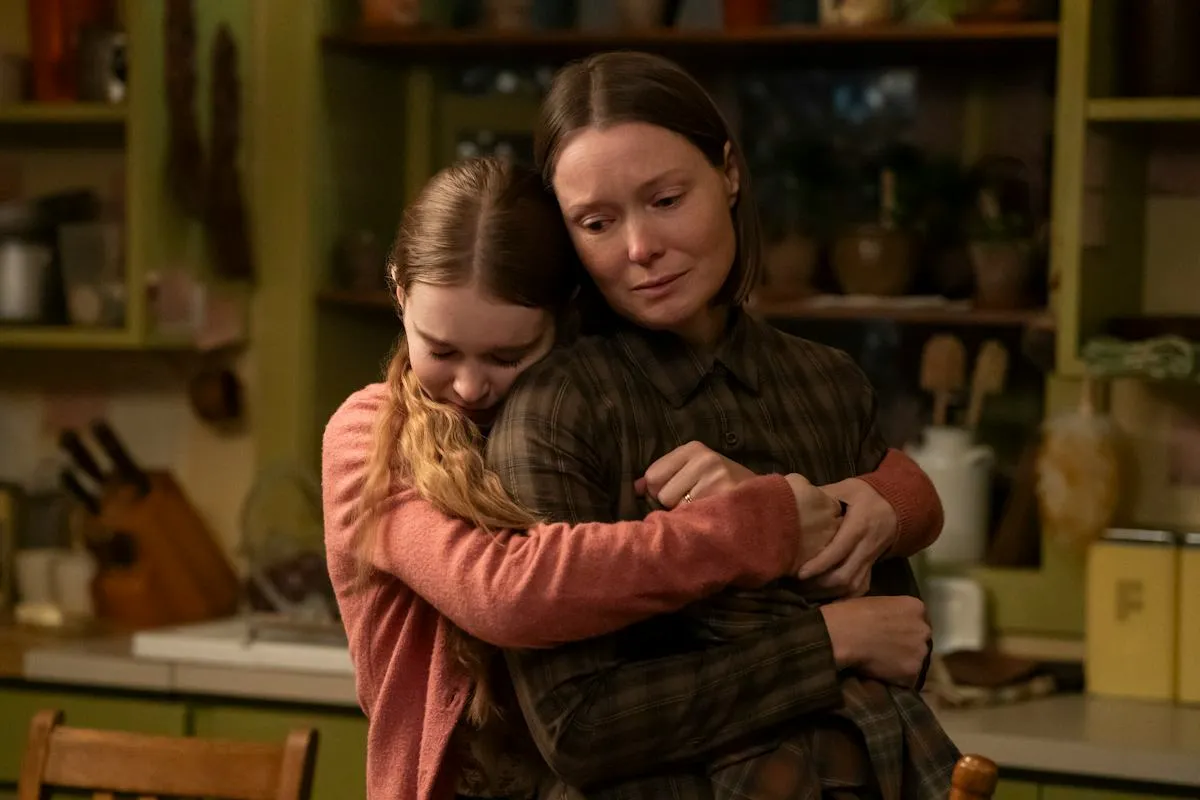
Here is what the official facts say. Flanagan told Inverse that he dreams of a three-season trilogy. He described a three-step arc for Carrie White. He acknowledged the ending leaves the door open for more adventures. He also said, and this is the critical line, that if this is the last frame we ever see of this version of Carrie, then it had to work. Summer H. Howell echoed that sentiment, hoping Carrie might eventually return to her happy self after trauma. Emaline, who we learned was physically present thanks to astral projection rather than pure imagination, survives alongside her. Both mother and daughter characters survive the climax. Every structural choice points away from closure and toward continuation.
Now consider the commercial subtext beneath those statements. Flanagan did not greenlight a self-contained horror drama. He built a prestige IP vehicle. The decision to keep Carrie alive changes everything about the story’s trajectory. In King’s novel, Carrie dies. Her story ends in tragedy. Flanagan’s version makes survival the point. That is not a creative flourish. It is a franchise infrastructure decision. The show’s tone, its ending, its character roster—all of it is calibrated to maximize the odds of a second season while maintaining plausible deniability. When he says we did our job if Episode 8 lands on its own terms, he is not downplaying the renewal chances. He is managing them. Streaming platforms operate on a completely different calculus than traditional broadcasters. One strong season does not guarantee renewal. One devastating finale does not guarantee cancellation. What guarantees renewal is a show that has proven it can carry narrative weight beyond its source material. That is precisely what Flanagan engineered here.
The broader supply chain implication is stark. We are watching a paradigm where even literary horror franchises are being redesigned as serial IP rather than standalone events. The creative team knows the rules. The audience knows the rules. The question is no longer whether Carrie gets a second season. The question is which platform wins the bidding war when it does, and at what cost per episode. Flanagan may have changed the story to serve the character. But the character was always serving the strategy.
Author bio: Robert Kensington is an overseas entrepreneurial veteran with decades of experience in real-economy industrial investment and expansion, and has spent the last decade tracking content IP valuation shifts in the streaming wars.