
(SeaPRwire) – By: Robert Kensington
Here is the uncomfortable thing about Marathon Man turning fifty: the culture has kept the torture scene and thrown away the movie. “Is it safe?” survives as a meme, a dental chair joke, a trivia answer. Everything that made the scene land, the machinery of complicity surrounding it, has been quietly forgotten. A staple of turn-of-the-millennium lists of great thrillers and great villains is now slipping into obscurity, and the loss is ours. The film was never really about a Nazi dentist with a hidden arm-blade. It was about who lets men like that operate, and at what price.
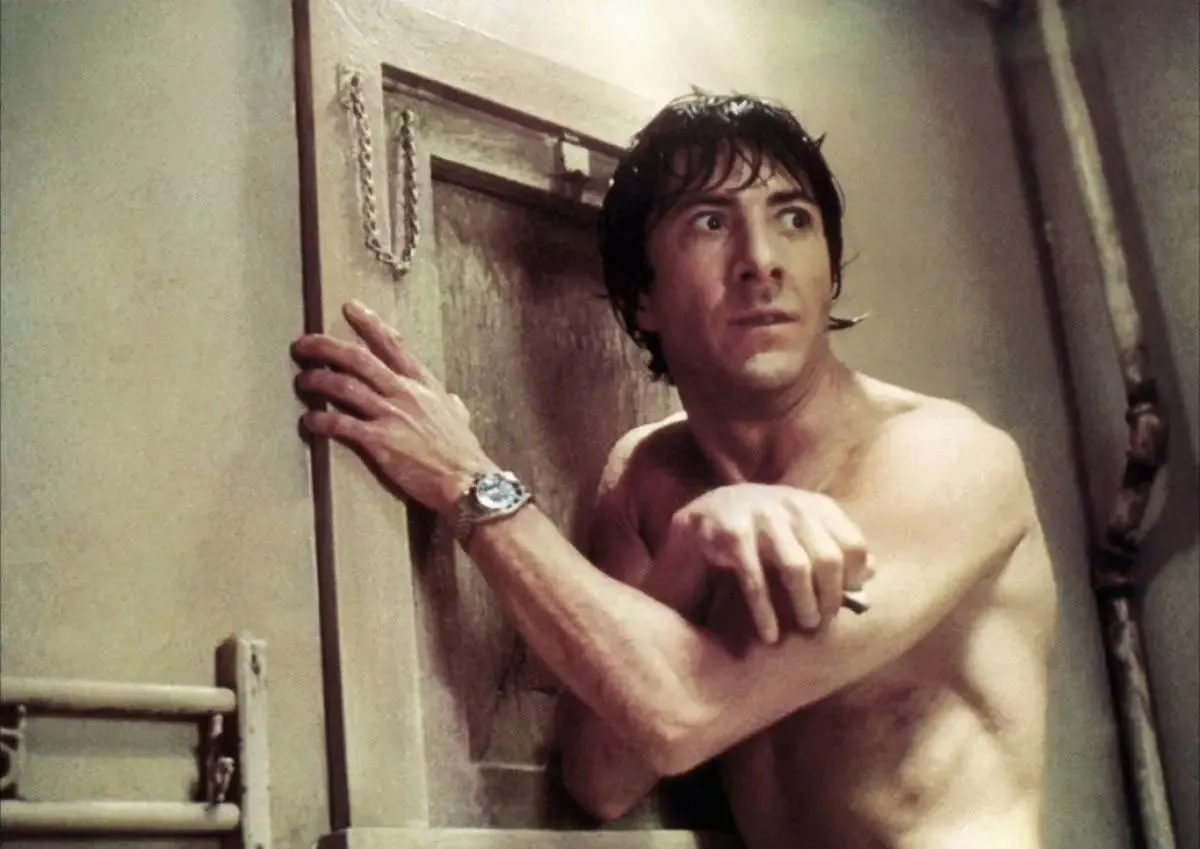
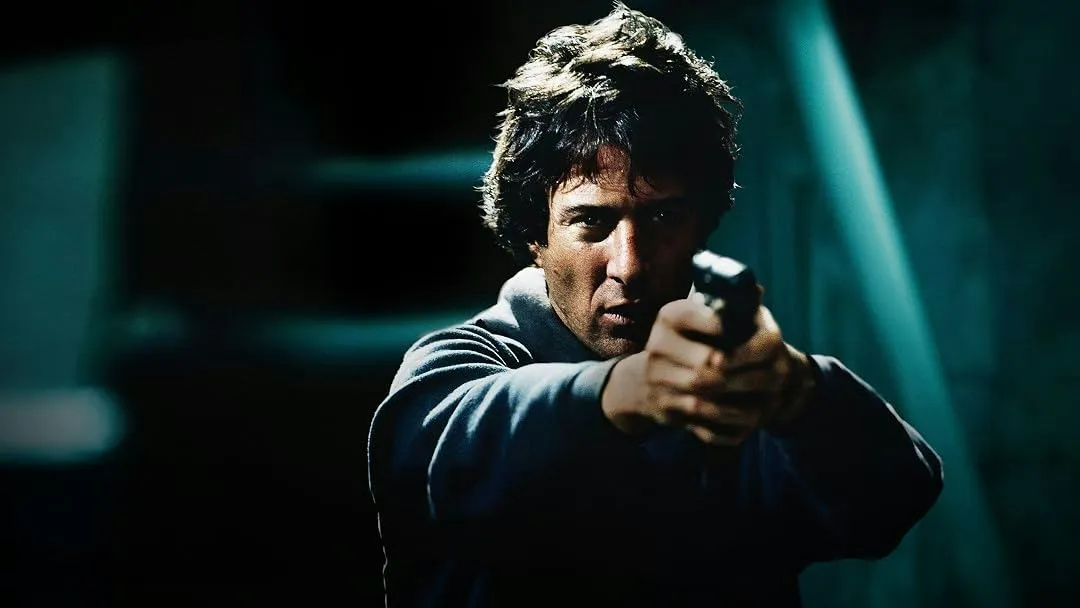
Strip the plot to its frame and the facts are blunt. Babe, played by Dustin Hoffman, is a lonely Columbia history student who jogs and flirts and works on his thesis. His brother Doc, played by Roy Scheider, poses as an oil industry figure while actually running as a federal agent inside a diamond smuggling ring. The ring serves Christian Szell, played by Laurence Olivier, a concentration camp dentist hiding in South America. The American government moves his ill-gotten fortune in exchange for dirt on other fugitive Nazis. When Szell’s brother dies in a road rage incident, the old man flies to New York to claim his safety deposit box, and his paranoia burns the whole network down. Doc dies. Babe gets dragged in. Blood follows.
Now the subtext, which is where the film earns its anniversary. Marathon Man belongs to that parade of post-Watergate seventies thrillers, alongside Chinatown, Three Days of the Condor, and The Parallax View, that treated power with open cynicism. But it is unusually direct about the bargain between fascism and the state. Doc thinks he can use Szell and control him. Every figure in history who made that wager lost. Devane’s corrupt partner abandons any pretense of principle and profits anyway, until violence reaches him too. And Szell himself is no ideologue. He is a profit-seeker who destroys his own organization over the paranoid suspicion that Doc might rob him. Half a century later, the film’s central observation lands harder than it did in 1976: claims of economic anxiety have justified oceans of bloodshed. Fascism presented as bookkeeping.
The revenge reading is well documented. Babe eventually guns down his pursuers and forces Szell to swallow the diamonds he covets, and some viewers read it as a Jewish revenge fantasy, plausible given that director John Schlesinger and screenwriter William Goldman were both Jewish. But the sharper vengeance comes earlier and quieter. Szell, sinister for most of the runtime, ends up wandering New York’s Jewish-dominated diamond district, desperate to sell the remains of his stolen fortune back to the people he stole it from. He is still dangerous. He is also pathetic, a relic begging for relevance in a world moving on without him. Take away a fascist’s power and what remains is a miserable whiner. Contemporary critics split over the violence, though the shootouts read as tame now. What does not read as tame is the film’s insistence that institutions, not monsters, keep monsters fed.
My advice is practical. Watch it on YouTube, where it currently sits, and watch it as a document about state complicity rather than a delivery mechanism for one famous line. The thrillers that survive on quotes die with the quotes. The ones that survive on ideas stay topical. Marathon Man is the latter, and the market for that kind of memory is about to get very competitive.