
(SeaPRwire) – By: Marcus Sinclair
Star Trek is celebrating sixty years. Corporate press releases call it a legacy of visionary storytelling and groundbreaking diversity. The real story is far less polished. Without its fans, the franchise would have died in 1969 after one cancelled season. The fans did not simply watch. They intervened. They organized, wrote, funded, and lobbied until the studio reversed course and kept the ship flying. This is the first documented case in media history of a fanbase effectively becoming a co-creator and financial stakeholder before the internet existed.
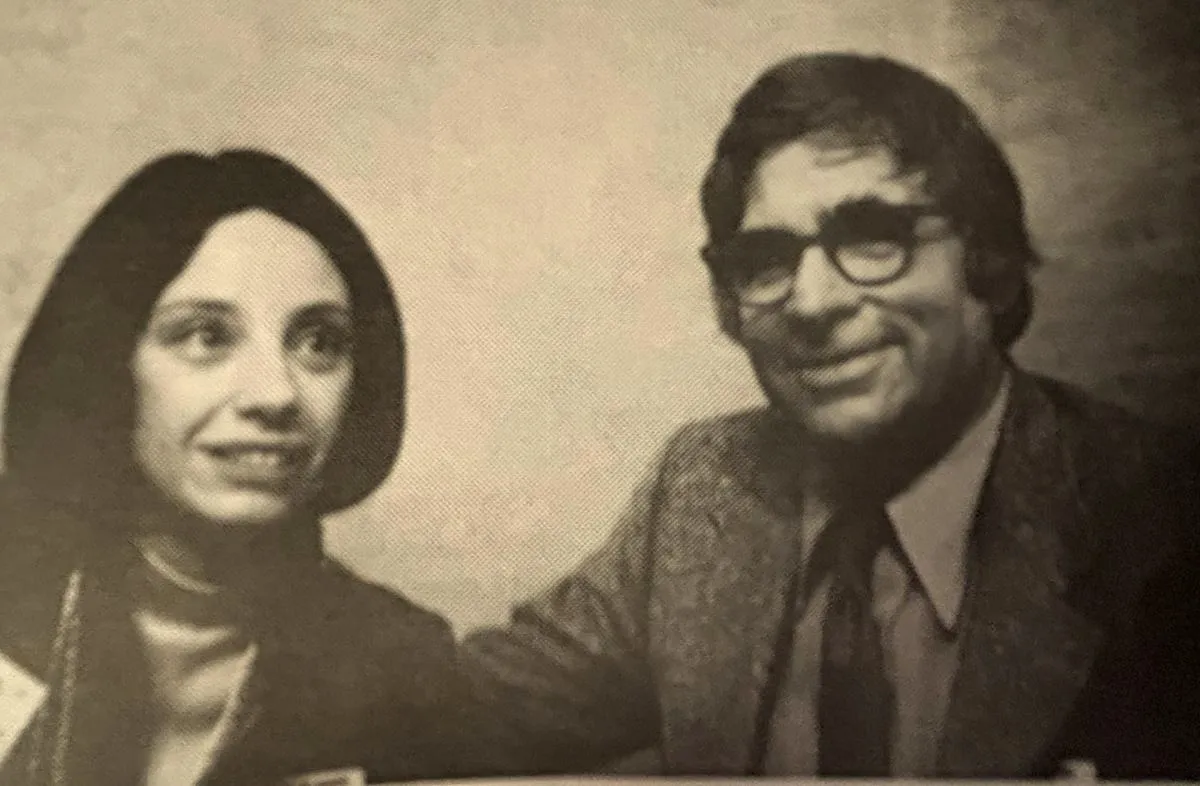
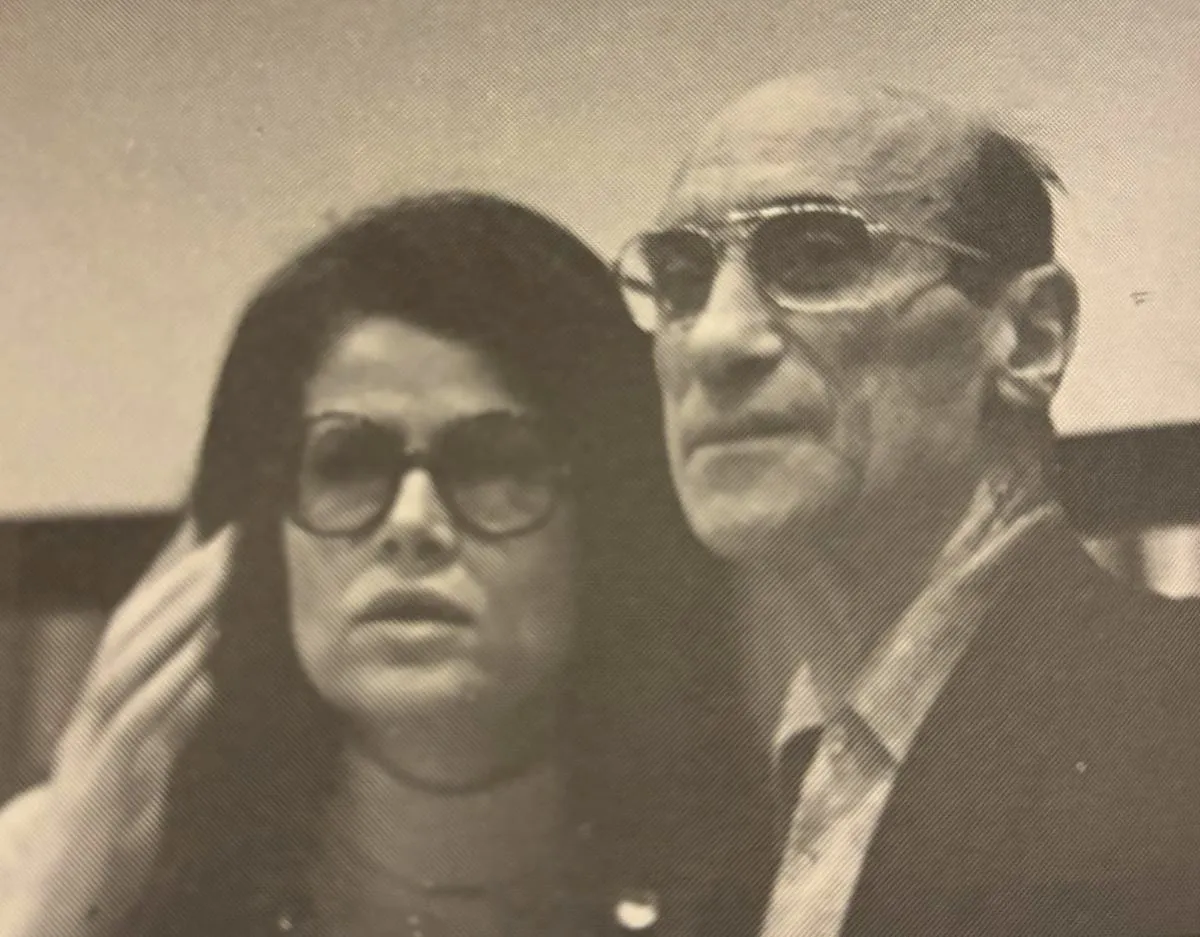
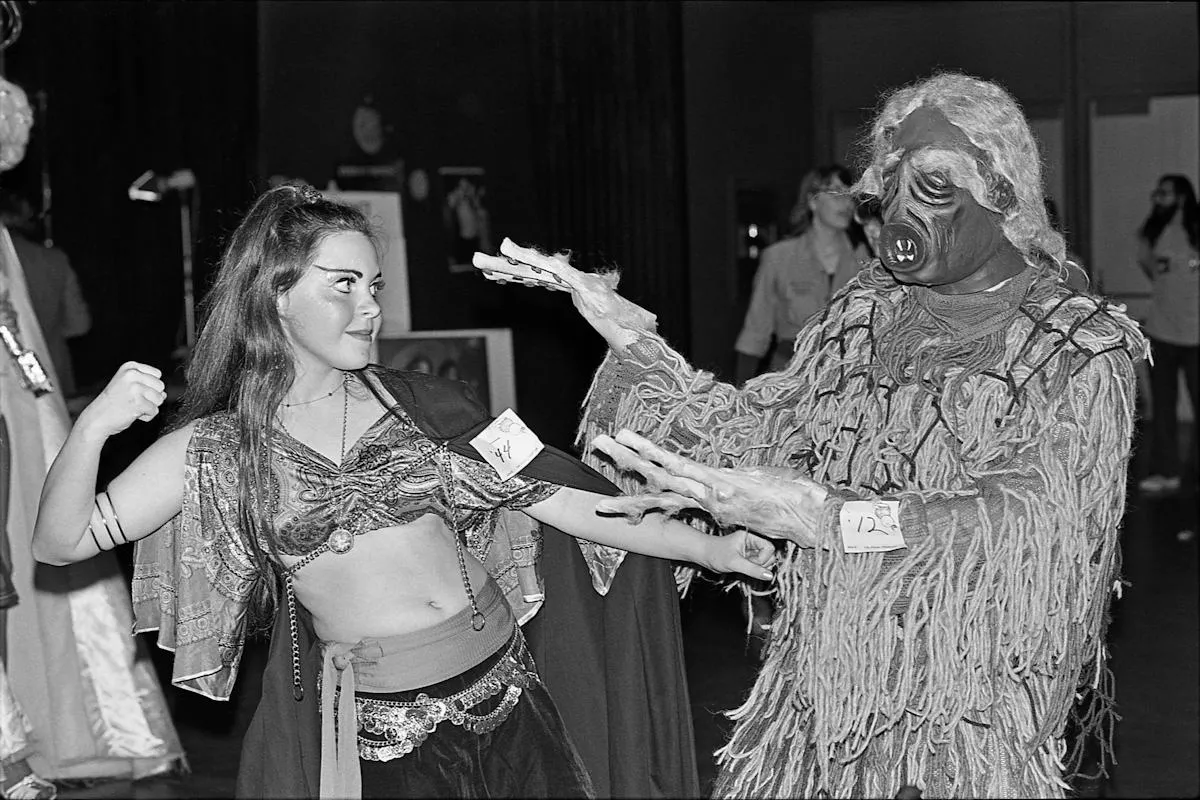
The mechanics of that intervention were built by women. Devra Langsam launched Spockanalia in 1967, co-edited with Sherna Comerford. It was the first true Star Trek zine, and it invented the template for every character-driven fanfic that followed. Langsam, Elyse Rosenstein, Joyce Yasner, and Joan Winston then organized the first Star Trek Lives! convention at the Statler Hotel from January 21 to January 23, 1972. By that time, Star Trek conventions in New York City already outnumbered comic-cons and literary science fiction conventions by several thousand. Writer Jacqueline Lichtenberg framed the stakes plainly. She said fans told the world they could not be cancelled, that no studio held power over their imagination.
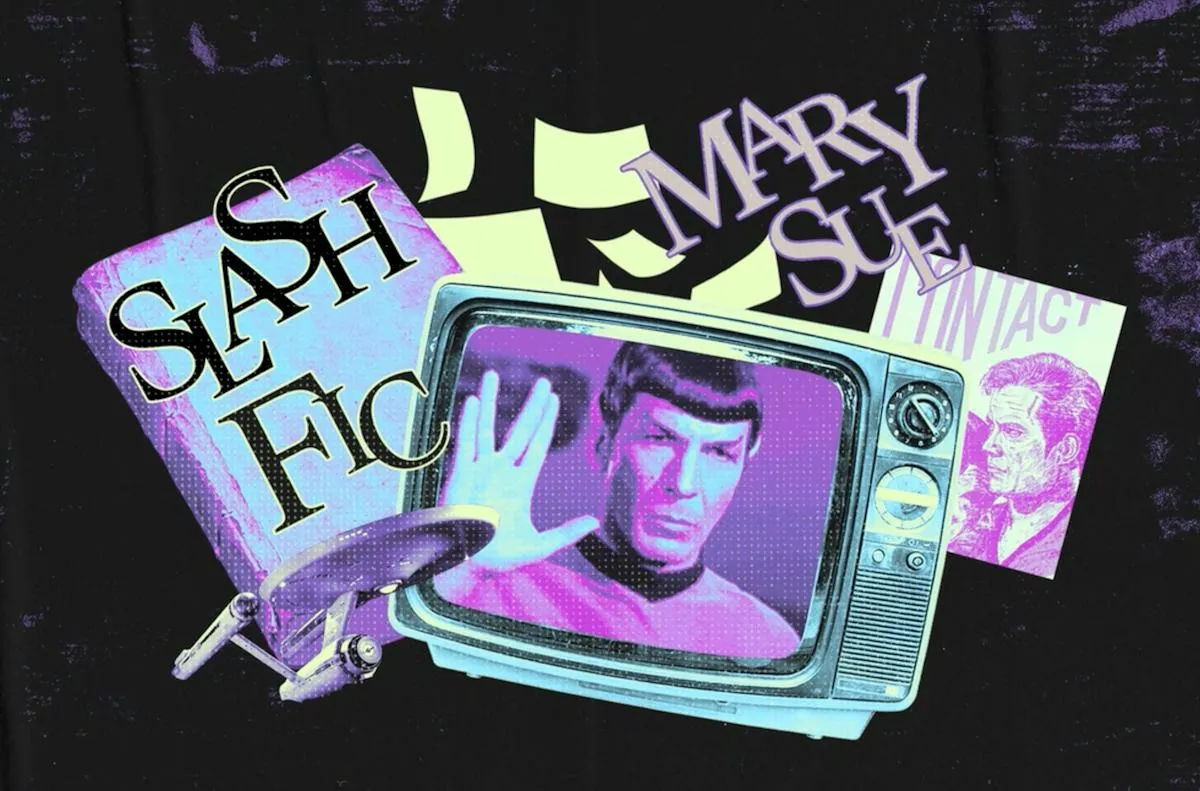
The creative output from that community permanently altered media storytelling. Paula Smith’s 1973 satirical zine story A Trekkie’s Tale introduced the term Mary Sue to describe a self-insert character everyone inexplicably loves. Lichtenberg’s Kraith universe, serialized in the zine T-Negative, layered alternate continuity and romantic subtext onto the Kirk-Spock dynamic, establishing the blueprint for what would become known as slash fiction. These were not parasocial habits. They were structural innovations in narrative genre that the industry would later monetize across every major franchise.
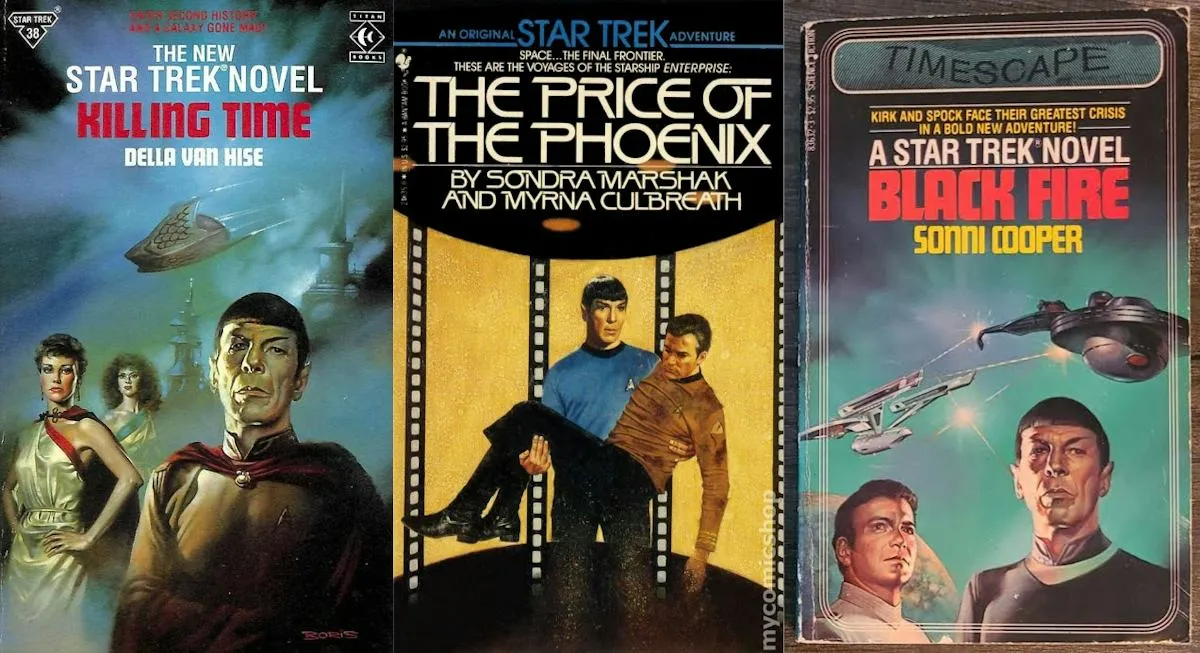
The franchise took notice quickly. In 1976, Star Trek fans successfully lobbied President Gerald Ford to rename the first space shuttle Enterprise instead of Constitution. Nichelle Nichols then worked with NASA to recruit Black and female astronauts into the Space Shuttle program, citing fan impact as motivation. By 1977, Paramount was publishing authorized Trek novels. Sondra Marshak and Myrna Culbreath released The Price of the Phoenix, adapted from their self-published fanfic Never Mourn Black Omne. Sonni Cooper and Della Van Hise also transitioned from zine writers to authorized novelists. The studio had essentially reverse-engineered its own survival plan from fan output.
The operational lesson here is direct. Studios still treat fan communities as distribution channels rather than creative infrastructure. That model expired in 1967. The franchises that survive will be the ones that institutionalize fan authorship, share royalties, and integrate community-generated canon into official roadmaps before competitors do. Star Trek fans built the architecture. The industry only learned to charge for it decades later.
Author bio: Marcus Sinclair is a Senior Fellow at a prominent European geopolitical and security think tank, with prior experience covering entertainment media markets and cultural economics.