
(SeaPRwire) – By: Lucas Caldwell
Most superhero adaptations shout about “faithful comic accuracy” while cutting corners on heart. X-Men ’97 is the exception. It’s not just retreading old ground; it’s digging up a 32-year-old forgotten miniseries to fix the messy, time-tangled lore of the Summers clan. This isn’t fan service—it’s a masterclass in how to honor comic roots while making stories feel fresh for new audiences.
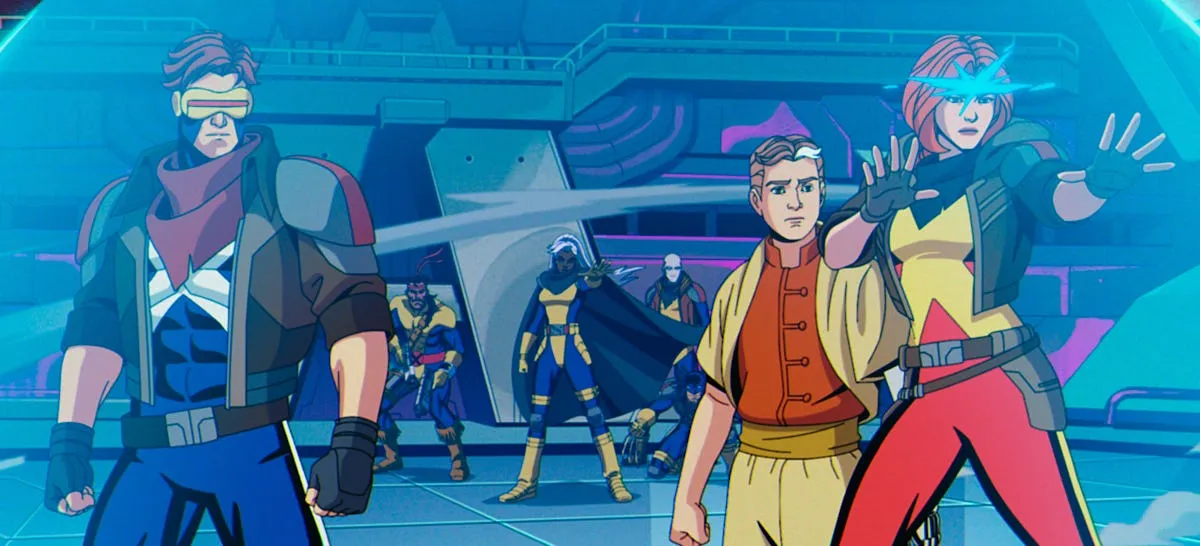
At the end of X-Men ’97’s first season, Cyclops, Jean Grey, and a handful of mutants get yanked into the 36th century. There, they reunite with their son Nathan Summers, the boy they sent to the future as an infant to treat a techno-organic virus. Now a teen, Nathan doesn’t know his true parents. Scott and Jean ignore warnings to stay anonymous, stepping into the roles they missed. Jean teaches him to control his telekinetic powers and the virus. Scott gives him the fatherly validation he’s never had.
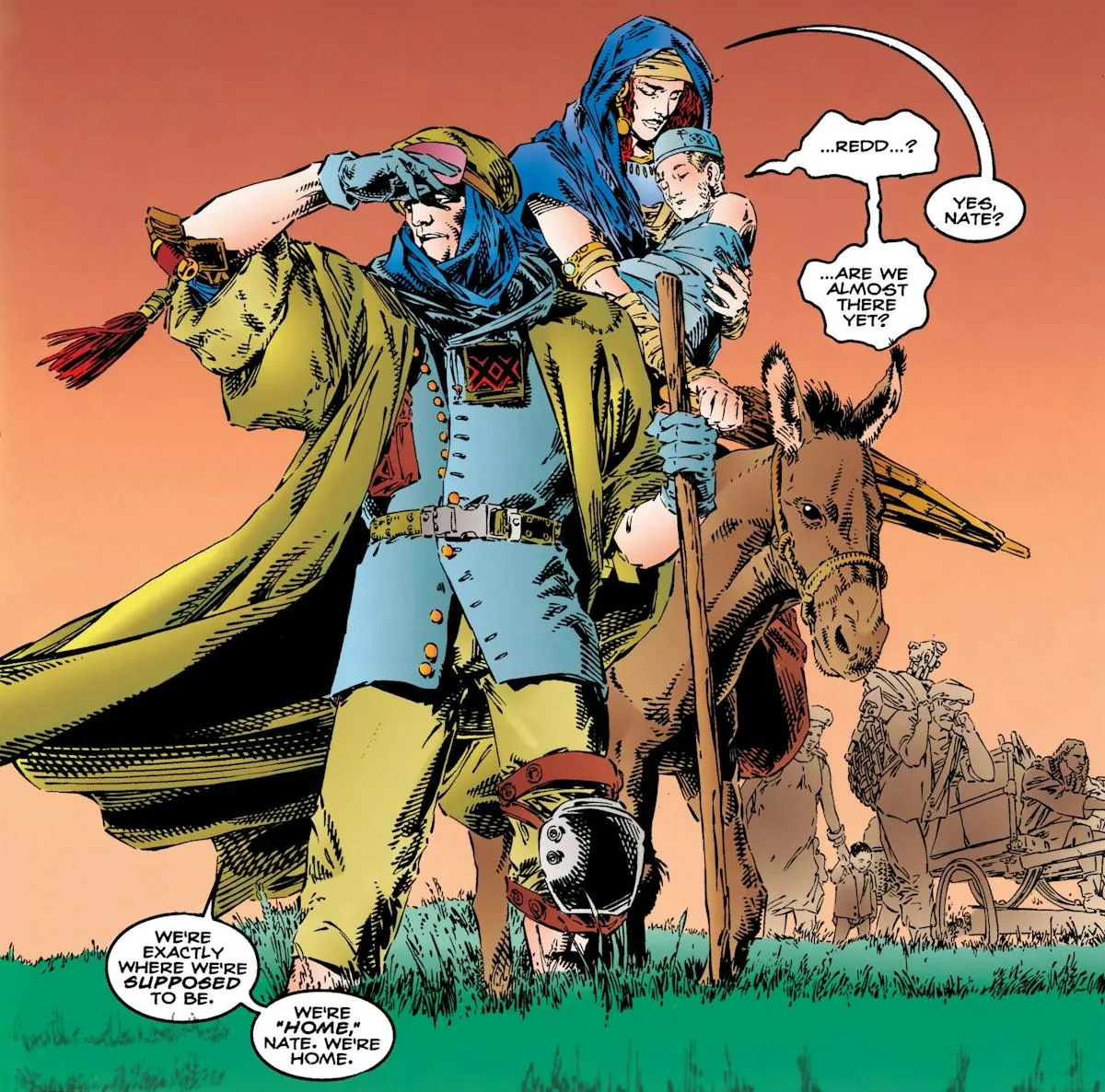
The storyline draws directly from 1994’s The Adventures of Cyclops and Phoenix, a six-issue miniseries by Scott Lobdell and Gene Ha. In the comics, Scott and Jean’s consciousnesses are placed into cloned bodies—dubbed Slym and Redd—since their physical forms can’t survive time travel. They train Nathan, help him fight Apocalypse, and lay the groundwork for his future as Cable, the Askani’Son prophesied to end Apocalypse’s reign. The comic also reveals Mother Askani, Nathan’s guardian, is actually his time-displaced sister Rachel.
Marvel’s streaming slate has long relied on big-name storylines to hook casual viewers. X-Men ’97’s choice to adapt a forgotten miniseries is a bold pivot. It targets both nostalgic fans who remember the 1990s cartoon and deep comic readers who crave recognition of underrated lore. This strategy builds stronger subscriber loyalty than flashy, surface-level adaptations that abandon comic soul for spectacle.
Other Marvel projects have stumbled when handling time travel, creating plot holes that alienate fans. X-Men ’97 avoids this by leaning into the original comic’s tight, character-driven time-travel logic. It doesn’t dumb down the Summers family’s tragic, time-scattered dynamic. Instead, it uses that weirdness to add emotional weight, making viewers care about the mutants beyond their superpowers.
This focus on forgotten comic lore will set a new standard for superhero streaming adaptations that other studios will struggle to replicate.
Author bio: Lucas Caldwell, a tech opinion leader with millions of X/Twitter followers, focuses on streaming media and comic book adaptation strategy.