

(SeaPRwire) – By: Silas Sterling
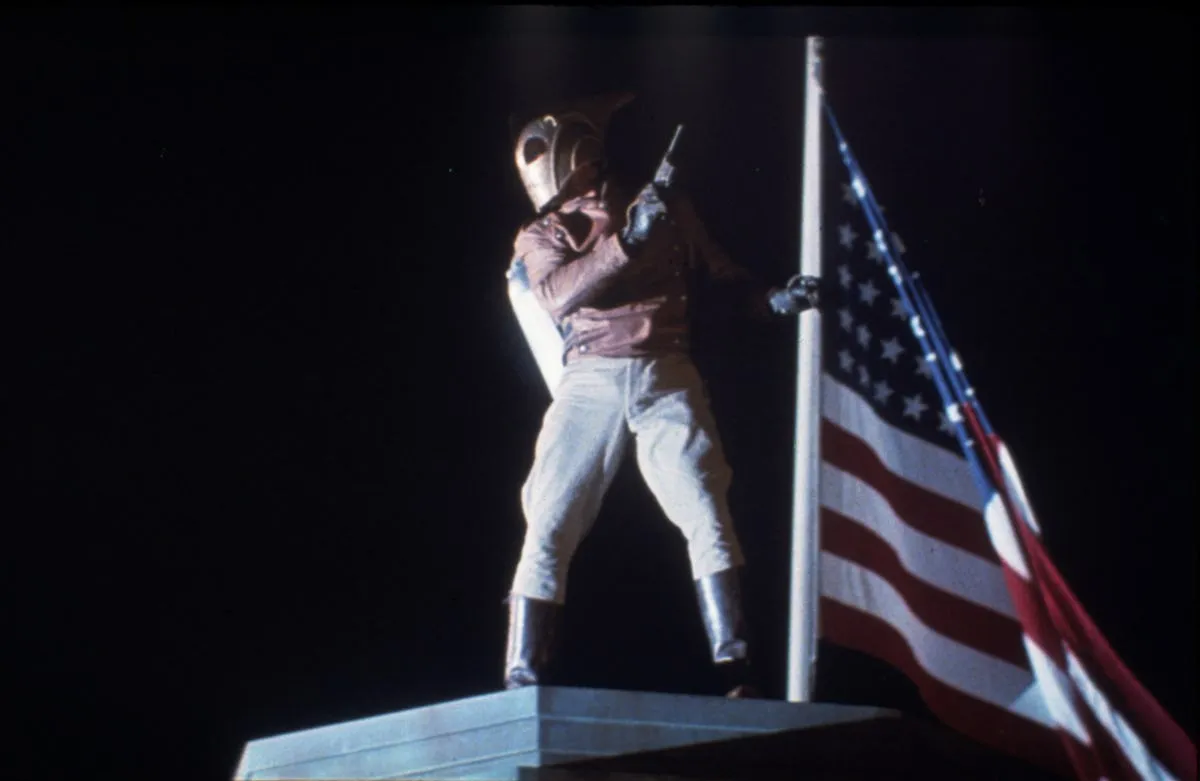
Disney tried to manufacture a franchise in 1991. They wanted another Indiana Jones. They threw $35 million at *The Rocketeer*. The marketing machine pushed it as the next big summer blockbuster. But the audience didn’t buy the hype. It opened against *Terminator 2*. It got crushed by *City Slickers*. The corporate strategy was clear: leverage a nostalgic IP to print money. But the “community”—the general public—rejected the manufactured nostalgia. It wasn’t a failure of quality, but a failure of timing and branding. The Disney stamp of approval felt too sanitized for the gritty source material.
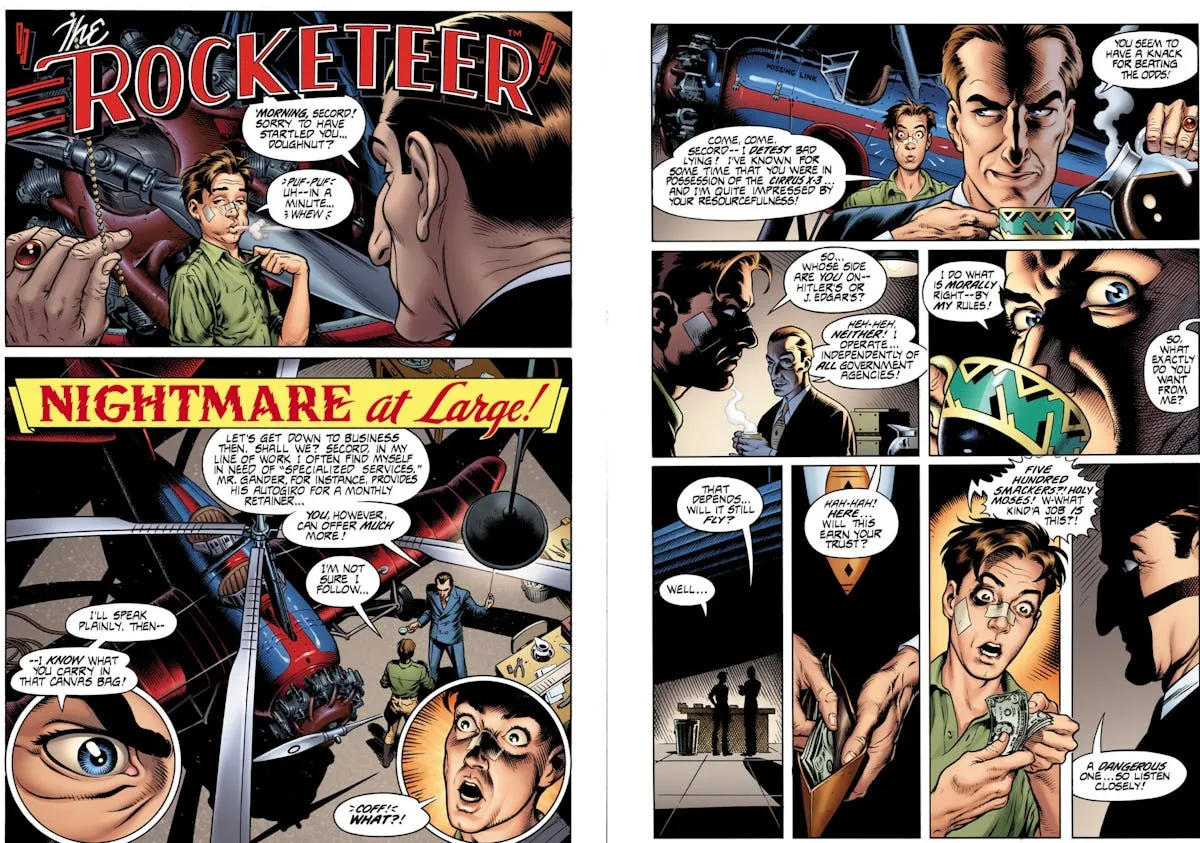
Let’s look at the source code. The film is based on Dave Stevens’ 1982 comic. That comic was a patch on the 1930s “pulp” era. Walter B. Gibson noted the term “pulp” was a misnomer by the 30s. It wasn’t about cheap paper. It was about speed. It was about writing quickly to be read quickly. *The Rocketeer* executes this algorithm perfectly. Every scene pushes the plot forward. There is no bloat. The adaptation stripped out the hardcore dependencies. Bettie Page became Jenny Blake. Doc Savage became Howard Hughes. They sanitized the inputs for a PG runtime.
The runtime environment was flawless. Billy Campbell compiled the perfect “gee-shucks” hero. He lacked the scoundrel kernel required for *Star Trek: TNG*, but he ran natively here. Timothy Dalton’s Neville Sinclair was a malicious script, chewing scenery with high efficiency. Alan Arkin and Paul Sorvino provided stable supporting libraries. The plot logic holds up, mostly. Hiding a zeppelin behind the Griffith Observatory is a memory leak in physics. But the internal logic is consistent. Characters act on pure directives: love, flying, or evil. The mobsters even execute a pivot protocol, switching sides to fight Nazis.
The market data tells a harsh story. $46 million gross against a $35 million budget is a failed deployment. It barely broke even. The studio likely viewed this as a deprecated asset. They didn’t iterate. They didn’t build a sequel. The financials dictated a shutdown. Yet, the user retention over 35 years has been higher than the initial metrics suggested. The “wink” culture of modern cinema makes this film stand out. It didn’t try to be post-modern. It didn’t break the fourth wall. It just ran the script. The failure was commercial, not technical.
Modern studios keep trying to fork this codebase. They want the retro aesthetic without the earnestness. They inject irony to protect their egos. But *The Rocketeer* proves that unironic execution has a longer half-life. The film survives because it doesn’t treat the audience like they are in on the joke. It respects the user’s intelligence. That is a feature, not a bug. We don’t get movies like this anymore because the risk tolerance is zero. The algorithm now demands safe, self-aware content. This flop is a masterclass in deprecated engineering that still runs perfectly.
Author bio: Silas Sterling, a veteran kernel contributor and editor-in-chief of an open-source security digest.