(SeaPRwire) – By: Logan Pierce
DCU’s latest move into mockumentary territory is being sold as creative boldness. But let’s call it what it is: another streaming platform bet that genre-bending can fill a content calendar. Warner Bros. brought Dan Perrault and Tony Yacenda in from American Vandal. The pitch is obvious — take a proven Netflix comedy formula and transplant it into the superpowered universe. The industry chatter about tonal misdirection is real, but the commercial play is simpler than the marketing suggests. This is about expanding IP utilization rates without burning cash on full-scale tentpole productions. Streaming libraries need filler that feels intentional. A mockumentary about a gorilla murder case is cheap to produce. It can pivot mid-season if audience metrics demand a darker turn.
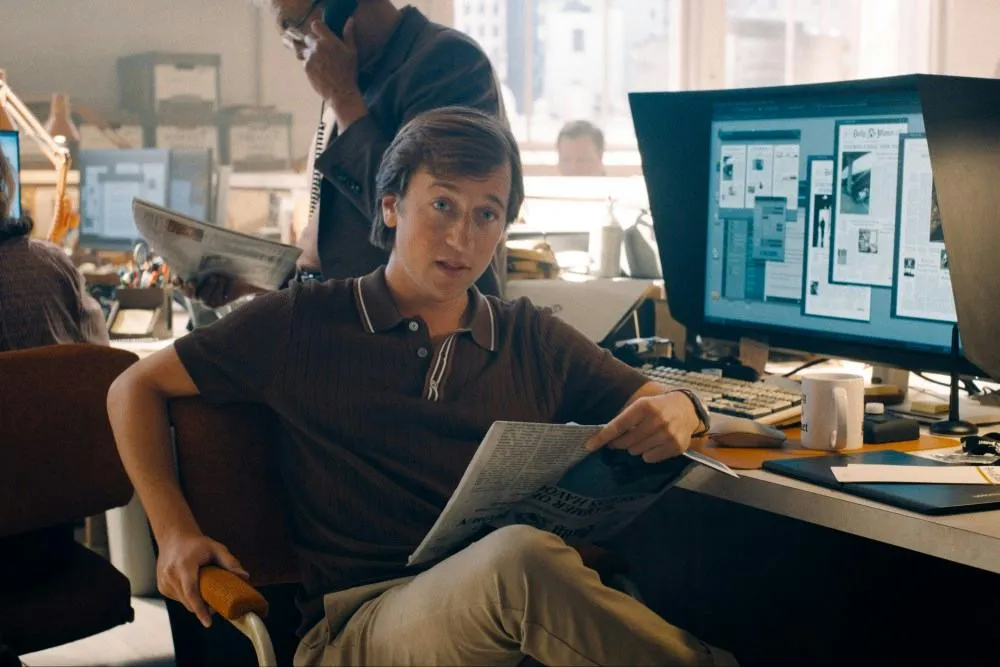
The hard facts are straightforward. American Vandal, created by Perrault and Yacenda on Netflix, turned a crude high-school premise into a sharp social commentary. Now those same creators are steering The People v. Gorilla Grodd, a mockumentary-style series. Skyler Gisondo has been a fan of their work for roughly a decade since the original show launched. He leads the series as Jimmy Olsen, reprising the role from Superman. He’s reopening a murder mystery involving Gorilla Grodd. The show is currently in production with no confirmed release date. The creative handoff is unusually direct — same writers, same mockumentary format, same lead actor pulling from the same American Vandal playbook. That kind of continuity rarely survives contact with a major studio greenlight process.
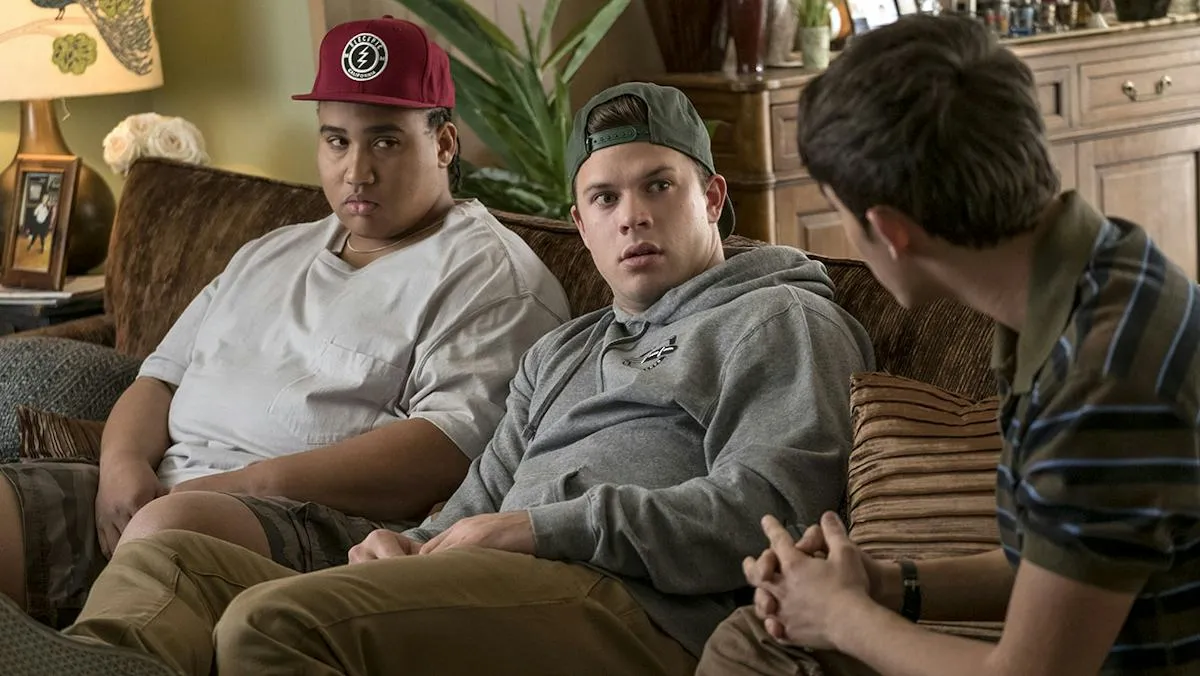
Jimmy Tatro, who co-starred in American Vandal, takes on the Grodd role itself, keeping the creative continuity tight. Gisondo told Inverse that the series begins tonally close to American Vandal, with comedy in a similar vein. But the Metropolis setting pulls stakes into a higher-intensity register. He described being floored by the scripts and called the balance between humor and escalating tension a significant tightrope walk. The production appears designed to never fully lose the American Vandal comedic identity while ratcheting up dramatic pressure. The tonal misdirect mirrors what American Vandal did originally — start absurd, then hit you with something unexpected. Whether the audience can handle a gorilla murder mystery pivoting from jokes to genuine threat is the central creative risk here. Most mockumentaries can sustain one tone or the other, not both.
The strategic placement matters more than the plot. Lanterns already established a precedent for DCU projects feeding into the broader universe. This show could set up plot threads for the upcoming Superman sequel Man of Tomorrow. A Gorilla Grodd investigation touching Metropolis-wide stakes could function as a quiet narrative setup for that film. Streaming platforms increasingly use mid-tier series as low-risk narrative laboratories. If the formula works, the IP expands. If it doesn’t, the financial loss stays contained within the series budget. The DCU is clearly experimenting with how far it can push the shared universe through its streaming catalog. Every mid-tier series functions as a probe into what audiences will absorb before the next theatrical release.
Gisondo’s next project is Primetime, a film opening in theaters September 25. He plays an aspiring actor who becomes one of the decoys on To Catch a Predator. The role reveals how this talent pipeline actually operates across streaming and theatrical formats. He built the character not from any single real decoy. Instead, he drew from how past ones navigated cameras and shifted their voice. The trajectory from American Vandal sidekick to DCU lead to prestige film role shows how Warner Bros. keeps its streaming-acquired actors busy. They span multiple projects across formats simultaneously. The studio is building a recognizable talent pool that audiences learn to trust. Then it deploys that trust across every tier of its content slate.
Half will love the tonal shift, half will bail when the jokes stop — that audience split is the real product.
Author bio: Logan Pierce, an independent business researcher and corporate governance writer on Medium, specializing in streaming media strategy, entertainment IP monetization analysis, and digital content economics.