
(SeaPRwire) – By: Ethan Gallagher
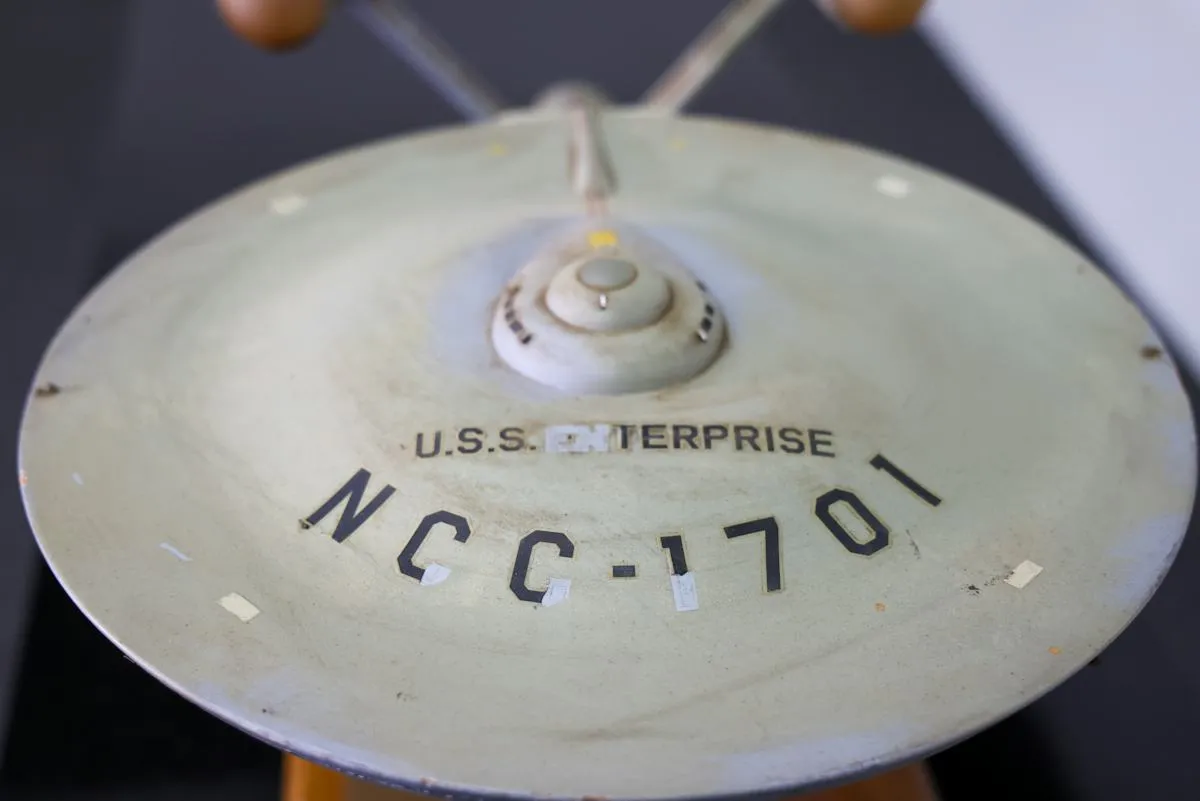
The physical artifact matters more than the digital file. We live in an era where rendering engines can generate a perfect, sterile simulation of a starship in seconds. Yet, we still line up to see a 33-inch wooden model from 1964. This is not about nostalgia. It is about authenticity in a market saturated with synthetic noise. The industry keeps telling us that physical media is dead. The return of this specific object proves that is a lie. The tactile connection to the source code of our cultural memory is becoming a premium asset.
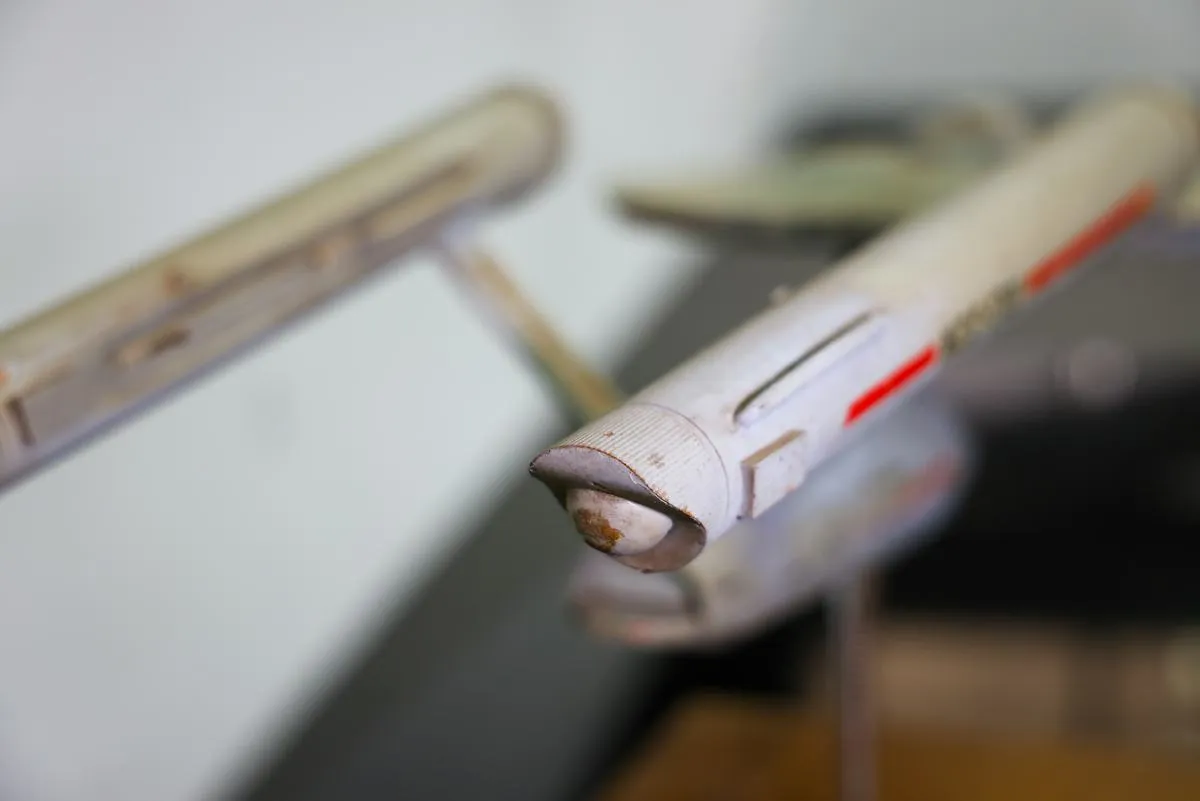
Richard C. Datin built this Enterprise in 1964. Matt Jefferies designed the aesthetic. Gene Roddenberry oversaw the visual language. It was the first version ever put to film. This specific model, not the 11-foot later display piece, shot the opening credits that defined television for a generation. Rod Roddenberry notes it has been the first character of Star Trek. It was presumed lost for 45 years. Then it appeared on eBay in 2023. The Trek community flagged the details immediately. Heritage Auctions stepped in. Experts authenticated the wood and plexiglass construction. The provenance is solid.
The restoration process reveals the industry subtext. Lou Zutavern, a renowned Hollywood model maker, stabilized the structure. The key detail here is the refusal to erase the age. Roddenberry wanted the wear preserved. This is a direct counter-move to the “pristine” digital asset economy. In tech, we optimize for zero defects. In cultural preservation, defects are the value proposition. They carry the timeline. The MIT Museum is leveraging this scarcity. Michael John Gorman frames it against the flood of AI-generated fake content. The object stands as a anchor. It is not a derivative copy. It is the primary source.
We are seeing a shift in how high-value IP is managed. The Roddenberry Foundation partnered with the MIT Museum for a 2027 run. This is not just charity. It is a strategic placement. The model debuts at MIT Future Fest in September 2026. Admission is free during the event. This lowers the barrier for public engagement. The presence of Jeff Hoffman and Daniela Rus in panels signals a bridge between hard science and cultural heritage. The hardware architecture of trust is built on verifiable physicality. When the digital layer becomes unreliable, the physical layer regains its premium. The Enterprise remains at the MIT Museum until March 2027. That is the deadline for the current cycle of visibility.
Author bio: Ethan Gallagher, a Silicon Valley Hardware Architect and Infrastructure Strategist focused on the intersection of physical asset verification and digital IP management.