(SeaPRwire) – By: Oliver Hawthorne
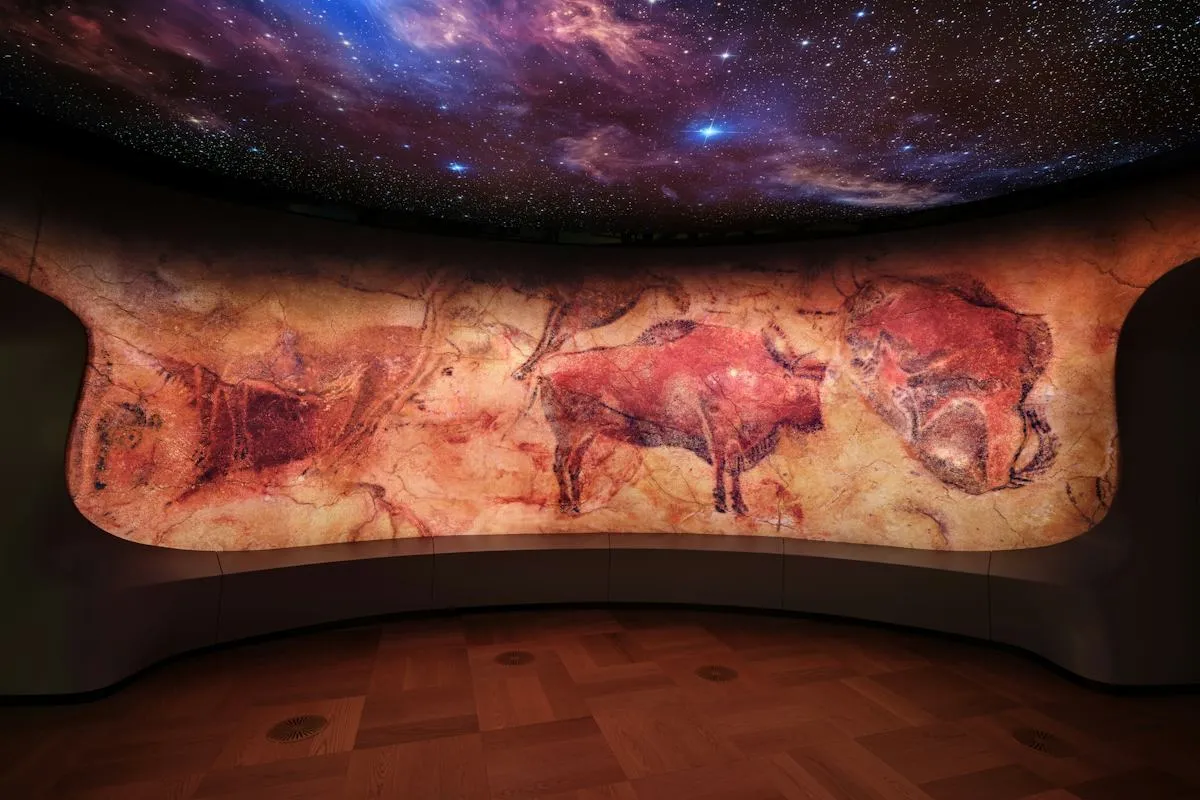
The Lucas Museum has a Star Wars problem. It is not a lack of Star Wars. It is too much gravity. I walked the ground-level exhibit “Heroes, Myths, The Sacred” and heard a patron mutter the line that cuts to the bone. “This just doesn’t feel like Lucas.” His group drifted toward the exit. They wanted Vader. They wanted lightsabers. They wanted the thing that put George Lucas on the map. That instinct is not wrong. It is just incomplete. Mellody Hobson has a number for it. Star Wars memorabilia is roughly seven percent of the collection. The other 90-ish percent is art. That ratio is not a curatorial accident. It is a business decision. It is also a warning to every media company sitting on an aging franchise. Your biggest asset can become your only story. If the Lucas Museum leans on Vader, it becomes a gift shop with a roof. If it hides Vader, it loses the crowd that funds the roof. Lucas and Hobson call the rest “the people’s art.” Art without conventions or pretense. Art that shapes how we think. That phrase sounds soft. It is actually a hard claim about cultural power. The first-floor gallery puts cave paintings, the Sistine Chapel ceiling, pharaohs, and kings in one line. It is a Big Bang for modern mythmaking. The bored patron missed the argument. He was standing inside it. He was also proving the museum’s point. Narrative art works before we name it. Star Wars is myth. So is a cave painting. So is a comic cover. The museum’s job is to make that link feel obvious. The patron’s complaint is a data point. It tells you what the brand promise was. The museum has to reset that promise without rejecting the fans.
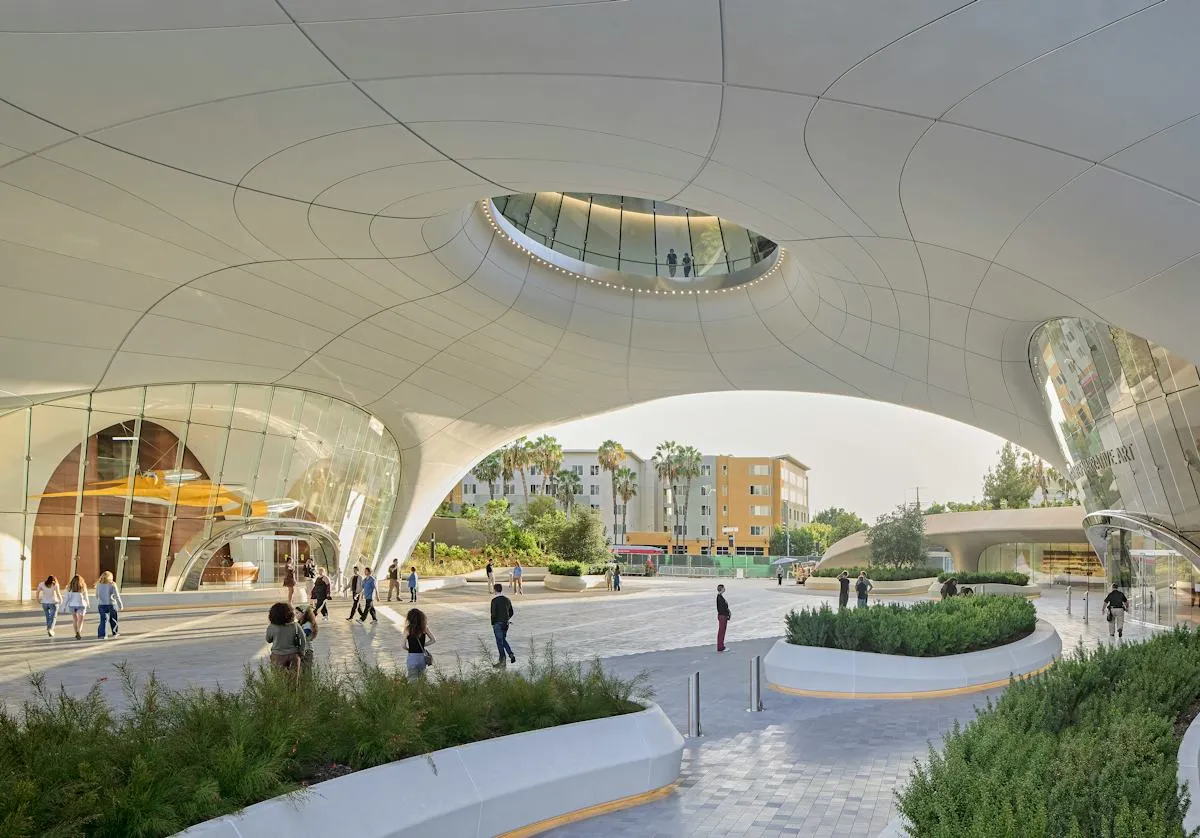
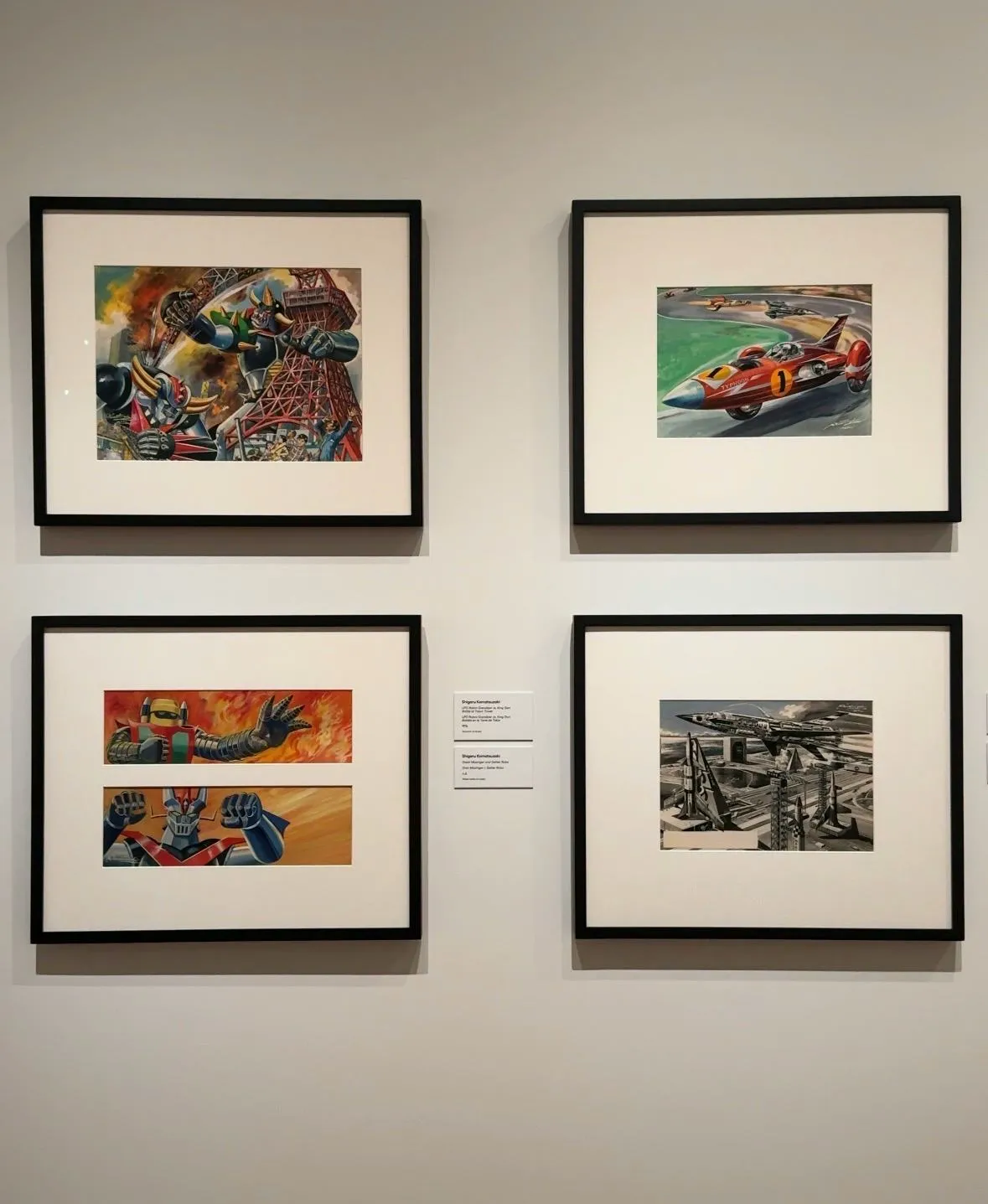
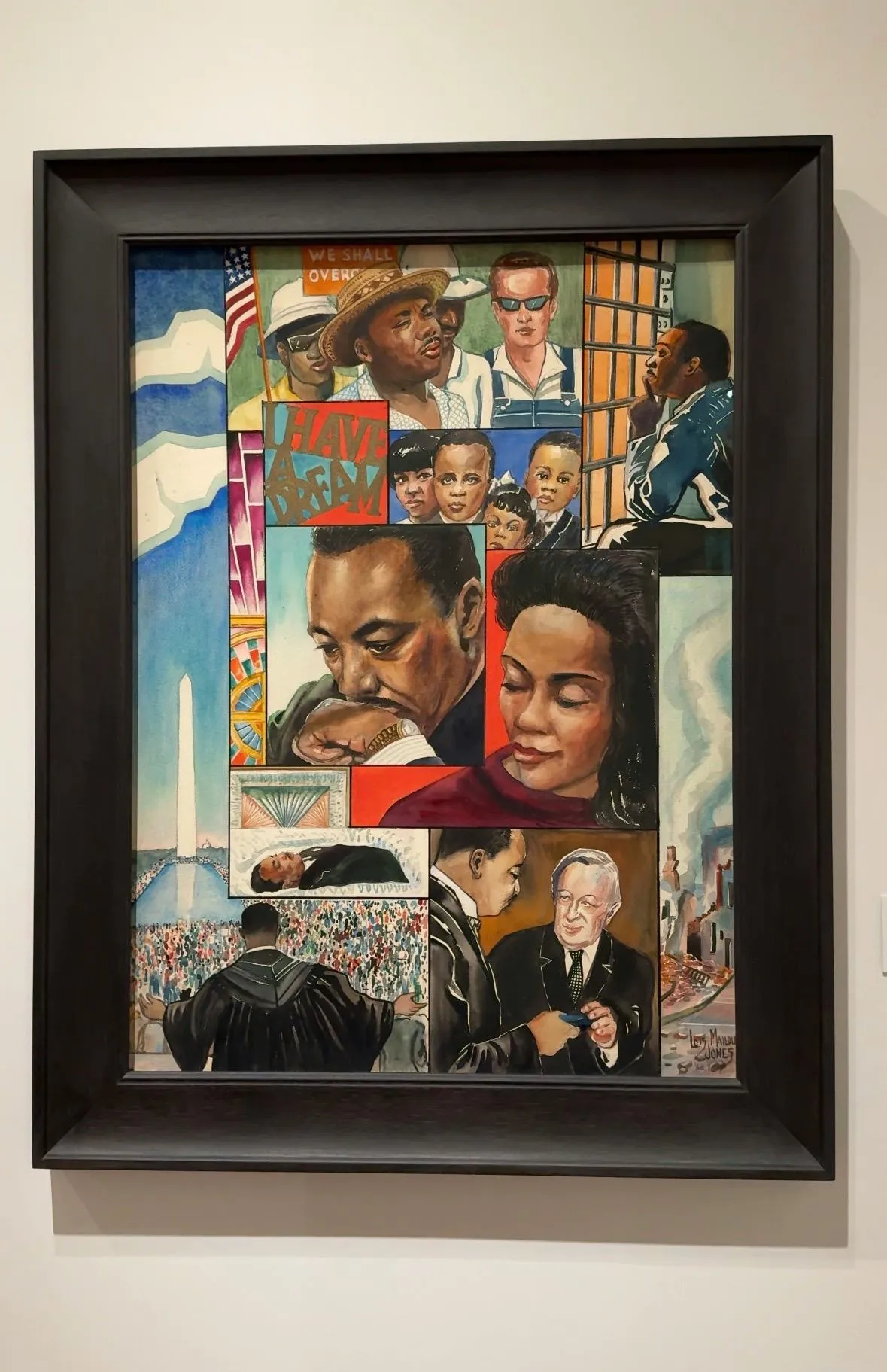
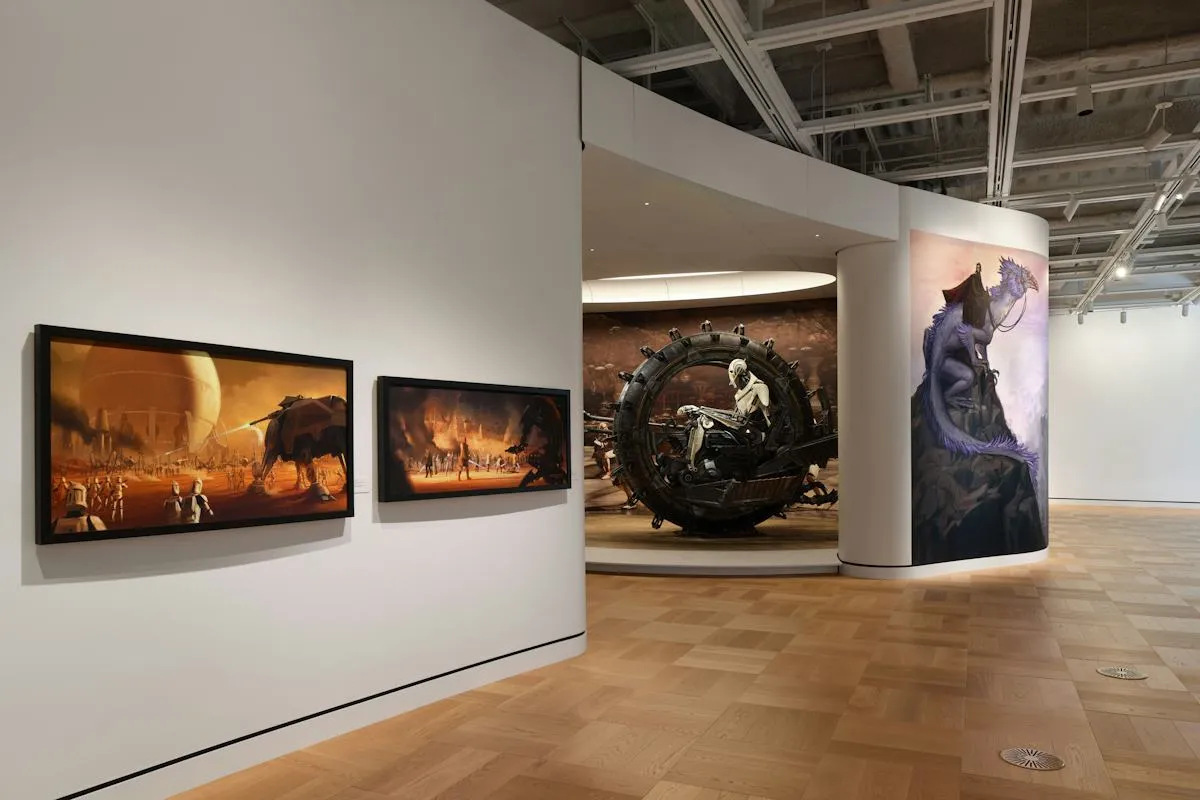
The facts are more interesting than the marketing. The Lucas Museum is home to Norman Rockwells and Frida Kahlos. It also holds the Lucas Archives. That collection includes props, costumes, vehicles, and miniatures from Lucas’ first six Star Wars films. The gardens behind and around the spaceship-shaped building have statues of Princess Leia and Padmé Amidala. The Cinema wing currently houses “Star Wars in Motion.” The crowd swarms the original Darth Vader costume. They swarm the General Grievous model. They swarm the podracer from The Phantom Menace. It is the biggest draw. Hobson says Star Wars makes up roughly seven percent of the collection. The other 90-ish percent spans love stories, pulp adventures, comic book covers, famous photographs, and politically charged murals. The first-floor gallery mixes recreations of classic art with original paintings and sculptures. Photographs of prehistoric cave paintings and the Sistine Chapel sit before statues of pharaohs and portraits of kings. Together they chart the history of modern mythmaking. Narrative art can be an ancient fertility goddess. It can be Templar knight armor. It can be a study of Las Meninas. It can be Rockwell’s Triple Self-Portrait. It can be political cartoons hanging near Superman covers and panels from Persepolis. The museum is divided into themes that unite us. Motherhood. Civic life. Adventure. Sports. Dozens more. The fourth floor unspools myths in as many visual forms as possible. Love stories play out in classic paintings. Pulpy fantasy adventures get equal weight. The Anime exhibit has its own gallery wall. Loïs Mailou Jones’s Homage to Martin Luther King is there too. Joseph Campbell greets patrons at the first gallery. His Hero’s Journey connects Flash Gordon to Luke Skywalker and Indiana Jones. It connects Batman and One Piece’s Monkey D. Luffy. Christian Bale’s bat-suit and a portrait of the Straw Hat crew share a roof. Down the hall are portraits of American presidents and civil rights leaders. One could spend hours touring the galleries without ever stumbling into the Cinema wing. That is the design. Star Wars is not ignored. It is placed. It sits inside a larger story about how myths are made, sold, and remembered. Lucas has always described the films and shows as stories for children. Inside this museum, that is not a dismissal. All stories are elevated into myth. Pop art gets its due. The Lucas Museum of Narrative Art is now open to the public.
The commercial loop is not complicated. Fandom pays for the building. Curatorial seriousness gives fandom cultural cover. Lucas is not selling a new Star Wars movie here. He is selling permanence. The museum turns props into relics. It turns a film franchise into a civic asset. It turns narrative art into a pilgrimage. That is the end-game for every mature IP owner. The back catalog must feel necessary. The fan must feel like a patron. The critic must feel like a participant. The Lucas Museum is a test case. If it works, other estates will study it. Not every estate has 15 years of passion project money. Not every estate has a Mellody Hobson to guard the ratio. The risk is real. The Star Wars crowd can arrive, take photos, and leave. The fourth floor can become a quiet lobby. The art crowd can sniff at comic books and pulp. Then the museum fails both sides. Hobson’s seven percent line is a defense. It forces visitors through myth before they reach the merchandise. It tells the patron that Star Wars is not the whole story. It is one panel in a larger narrative. The museum also makes Star Wars bigger. It links the saga to Campbell, to Flash Gordon, to Batman, to One Piece. That is canon-building by another name. It gives the films a lineage. It gives the props a museum wall. It gives the fan a reason to call fandom culture. Museums are slow media. They compete with streaming, games, and social feeds. A visitor’s hour is the scarce asset. Lucas is using Star Wars to buy that hour. Then he asks for another hour upstairs. That is the commercial loop. The collection’s 90-ish percent is not filler. It is retention strategy. A single Darth Vader costume creates a line. A fourth floor of myths creates a membership. That is the difference between a blockbuster and a cultural institution. The blunt truth is simple. The Lucas Museum will live or die on repeat visits. People will come for Vader. They will return for the fourth floor. If they do not, Lucas built a very expensive fan convention. That is the bet. It is bigger than Star Wars. It is also bigger than one man’s legacy.
Author bio: Oliver Hawthorne, a principal correspondent at an international technology review. He writes about media, intellectual property, and the business of narrative.