(SeaPRwire) – By: Robert Kensington
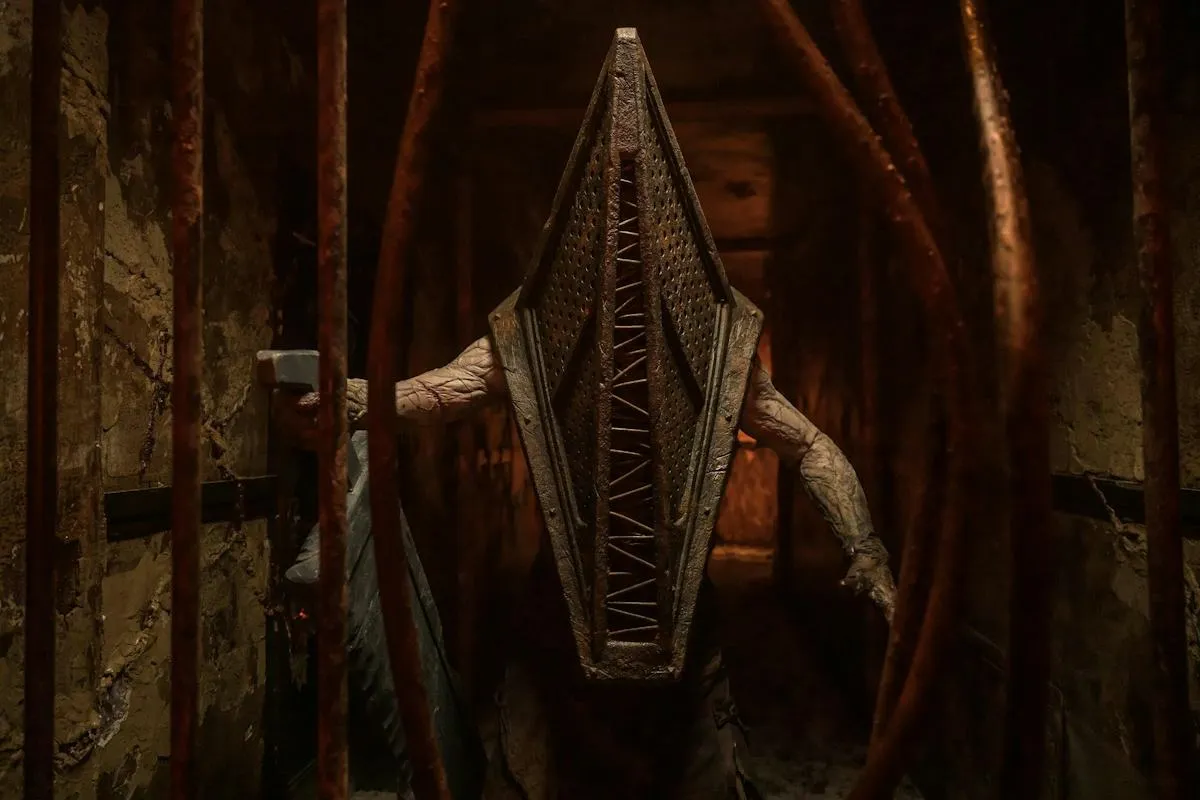
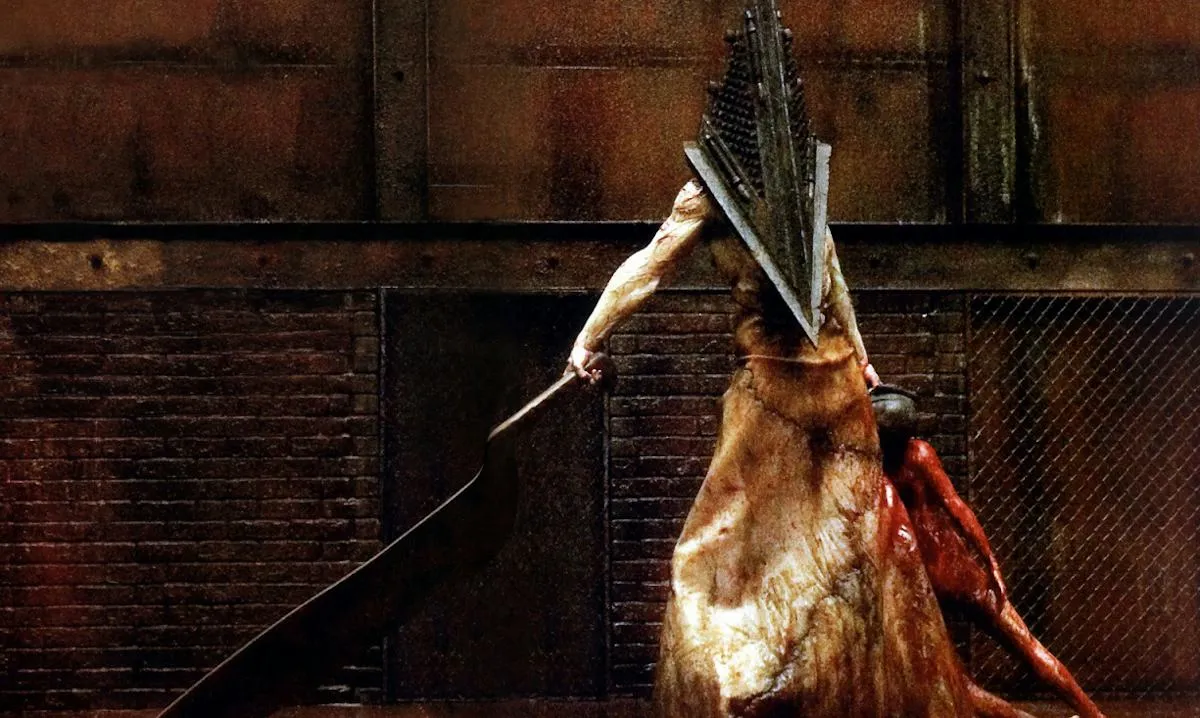
Hollywood spent two decades treating video game adaptations like cursed objects. They clung to source fidelity so tight they strangled the genre. Now, the pendulum has swung. Roy Lee’s new Silent Hill reboot drops the scriptbook. It ignores the specific plots of Harry Mason or James Sunderland. It keeps only the engine. The town. The trauma. The monsters. This is not laziness. It is strategic clarity. Lee understands that the 2006 Christophe Gans film succeeded because it treated the lore as a mood, not a plot hole to plug.
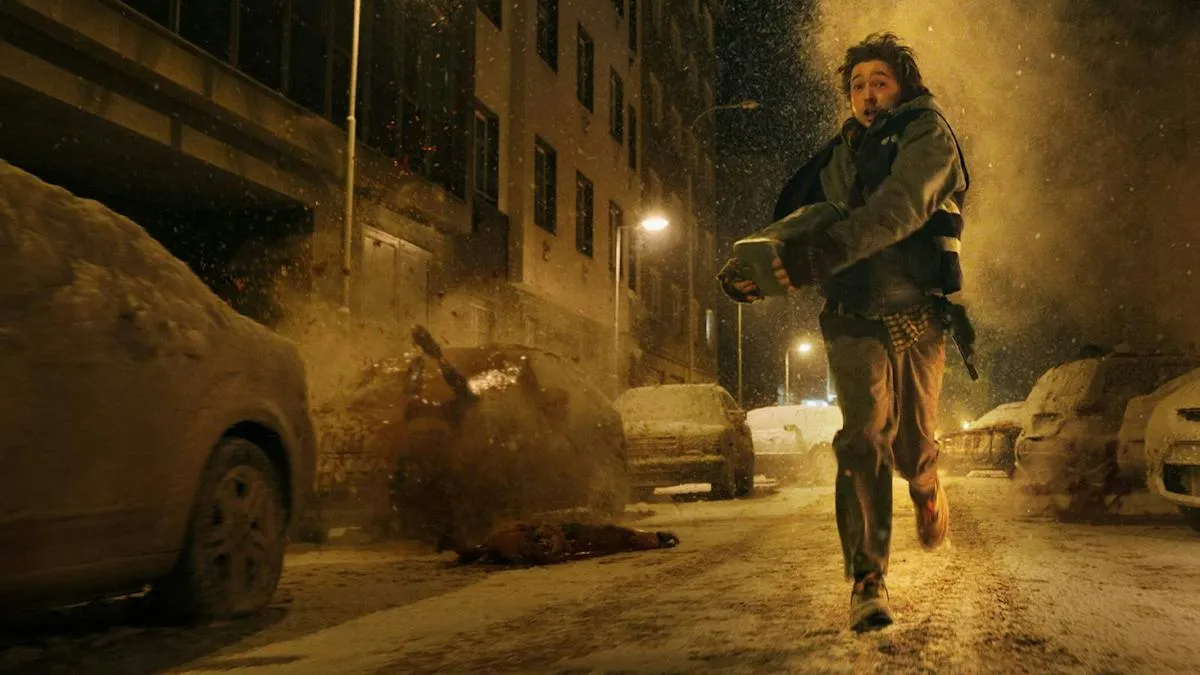
Look at the raw numbers. Resident Evil: Requiem, the ninth mainline title, launched in February. It sold over eight million copies. That is a massive data point. But it is not the whole story. Silent Hill: Townfall and Hellraiser: Revival are upcoming moneymakers. The genre is having a lucrative 2026. Even blockbusters like Spider-Man: Brand New Day and The Odyssey cannot hide the horror dominance. Obsession and Backrooms proved the appetite. Now, Cregger’s new Resident Evil film is tracking to be the highest-grossing in the franchise. It did not adapt a specific game. It told a new story.
The subtext here is commercial, not artistic. Silent Hill games are mostly standalone. Except for Silent Hill 3 and Origins, each entry uses new characters. The Otherworld shifts based on personal pain. Alessa’s burns caused the first game. James’s guilt fueled the second. This structure invites a filmmaker to write any trauma, any nightmare, and call it Silent Hill. It frees the studio from the burden of “getting it right” for fans. They can just get it scary. The previous films, like 2012’s Revelation, tried to adapt specific games. They fared worse. The market rewards the abstract.
Lee is playing a long game. By decoupling the story from the character, he creates a universal template. Any director can pitch a horror concept and slot it into the Silent Hill IP. The town becomes a vessel for psychological horror, not a map from a 1999 Japanese game. This mirrors the shift in Resident Evil. Fans complained about the new characters. But the box office does not care about fan purity. It cares about fresh tension. The next adaptation will likely follow this blueprint. No old heroes. No pre-existing plot. Just a new soul, a new trauma, and the rusted, fog-drenched streets of a town that remembers everything. The franchise is no longer a library of games. It is a blank canvas for the most effective horror writers in the industry.
Author bio: Robert Kensington, an overseas entrepreneurial veteran with decades of experience in real-economy industrial investment and expansion.