


(SeaPRwire) – By: Robert Kensington
The press release framing a “watch order” for Spider-Man movies is a clever piece of corporate camouflage. It dresses up a sprawling, often chaotic, intellectual property management strategy as a simple fan service guide. The subtext isn’t narrative cohesion; it’s a public demonstration of asset consolidation. Sony and Marvel are methodically proving that every past film, even the failed ones, now holds value as a piece of a newly monetizable multiverse. This isn’t about storytelling purity. It’s about retroactively turning sunk costs into future revenue streams.
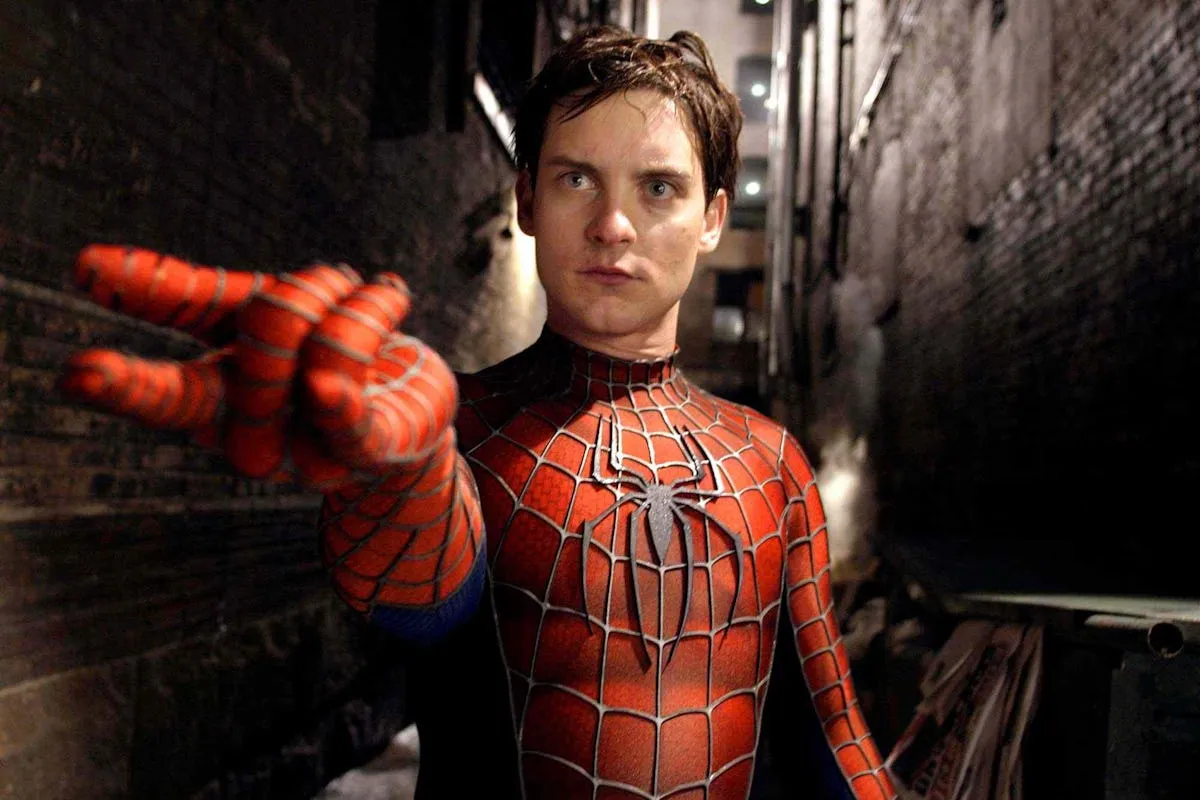
[Official Announcement Facts]: The article lists a strict chronology. It begins with Sam Raimi’s *Spider-Man* in 2002, which launched the modern superhero franchise. It moves through the Andrew Garfield reboots in 2012 and 2014. It incorporates Tom Holland’s MCU debut in *Captain America: Civil War* (2016) and his solo films. It crucially includes the animated *Into the Spider-Verse* (2018) and *Across the Spider-Verse* (2023). The upcoming film, *Spider-Man: Brand New Day*, is noted for a July 31, 2026 release. The stated goal is to provide a complete viewing guide for fans.
[True Commercial Intentions]: The real message is about asset validation. For over 20 years, reboots were disconnected, like James Bond. The 2018 animated film introduced the multiverse concept as a narrative device. *Spider-Man: No Way Home* (2021) weaponized it, uniting Holland, Garfield, and Maguire. This wasn’t just fan service. It was a strategic pivot. It retroactively linked all disparate Sony-owned Spider-film properties into a single, defensible “Sony Spider-Verse” brand. It transformed Garfield’s underperforming movies from dead ends into essential lore. It created a framework where any future Sony Spider-project, like *Venom*, can plausibly crossover, increasing the value of every asset in the portfolio.
The endgame is clear. The watch order is a map of intellectual property territories being stitched together. The multiverse is the legal and narrative framework allowing Sony to maintain its core film rights while leveraging Marvel’s production muscle. It prevents franchise fatigue by allowing infinite variants without rebooting the core MCU version. This strategy turns competitive isolation into collaborative, or at least parallel, monetization. The market share isn’t just about box office for the next film. It’s about the perpetual licensing value of an entire character history, now unified under a single, endlessly expandable commercial umbrella.
Author bio: Robert Kensington, an overseas entrepreneurial veteran with decades of experience in real-economy industrial investment and expansion.