(SeaPRwire) – By: Oliver Hawthorne
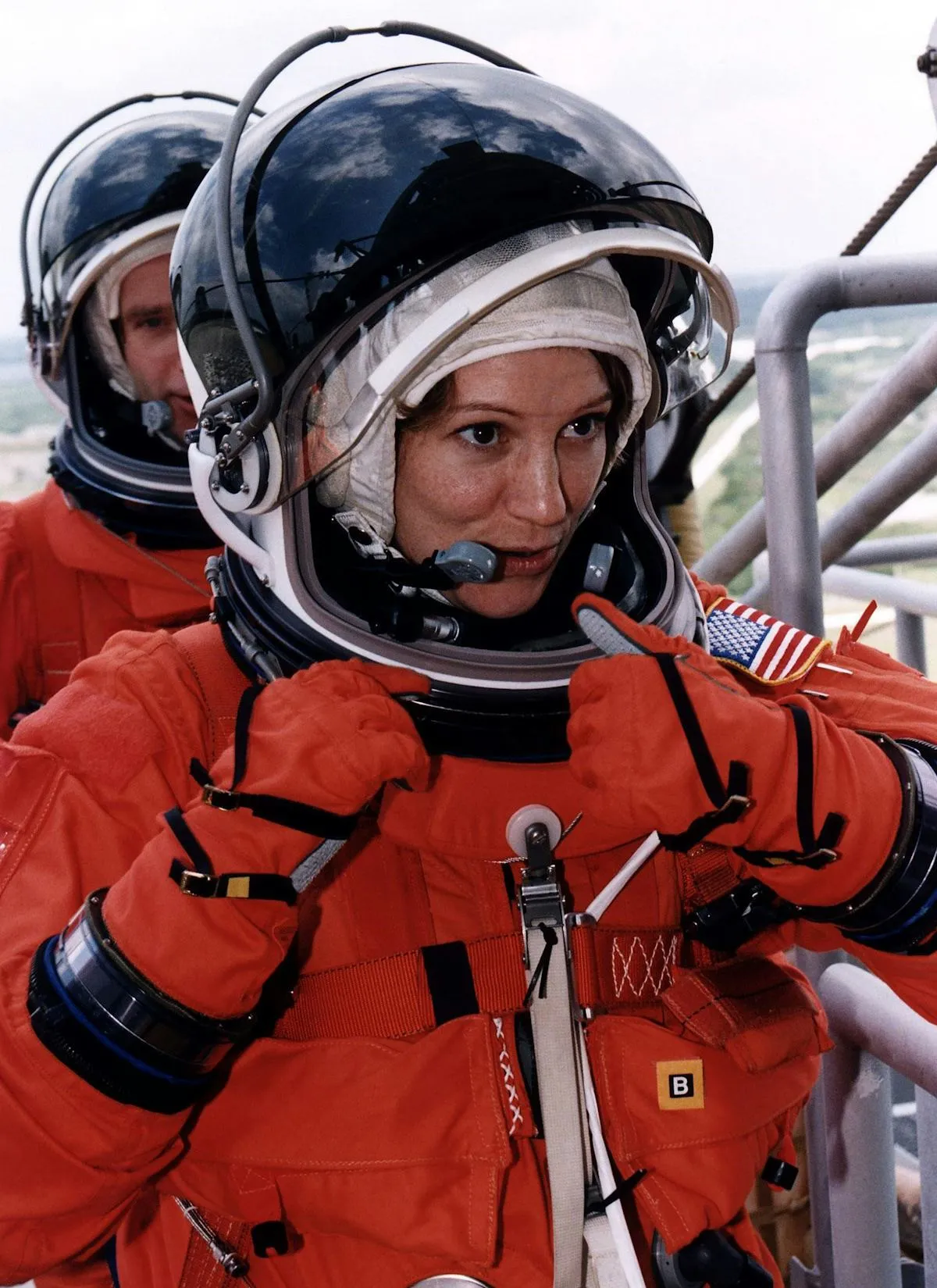
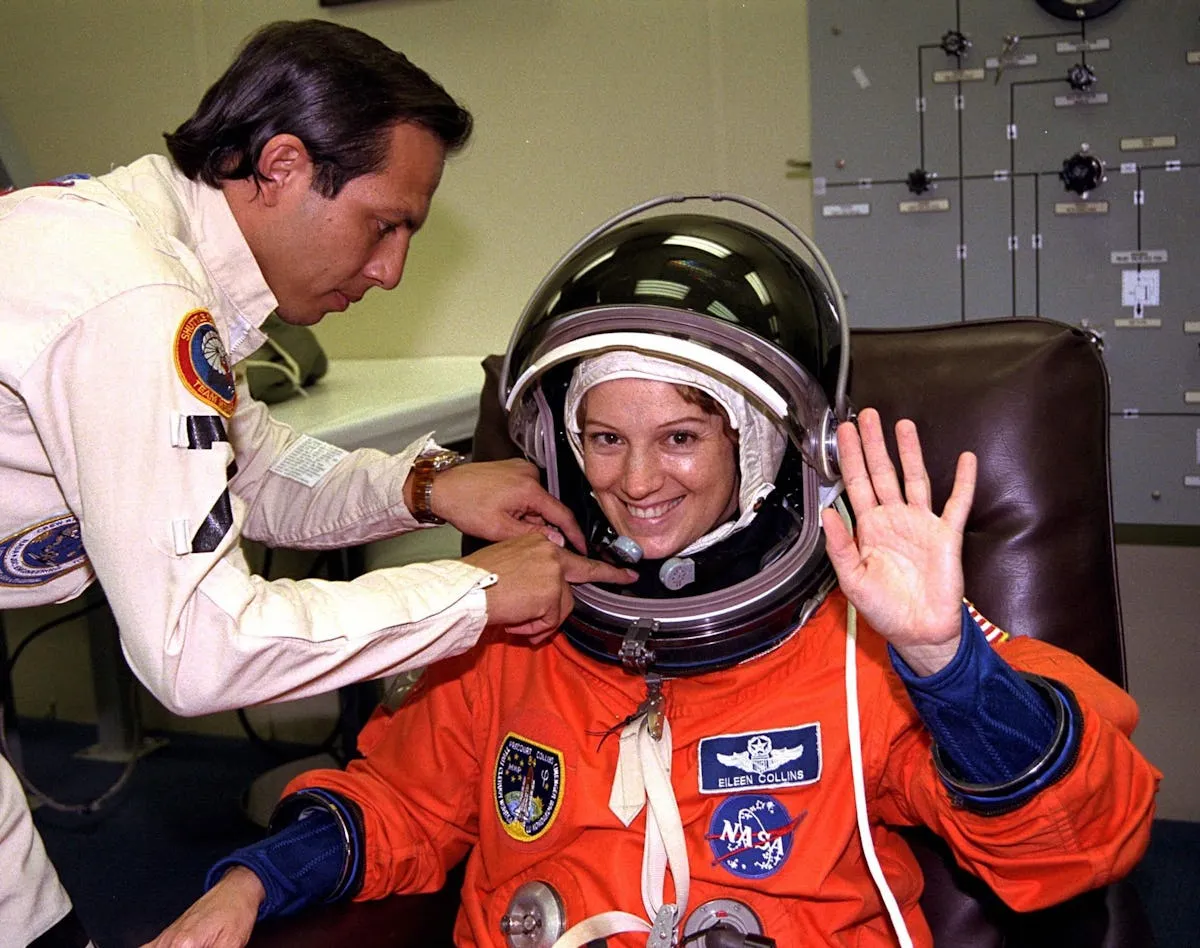
We are living through a nostalgia trap. The space industry loves to romanticize the shuttle era. It looks cinematic. It feels heroic. But nostalgia blinds us to the engineering reality. Eileen Collins knows this better than anyone. She commanded the return-to-flight mission after Columbia. She saw the cracks in the armor. Now, she is telling the public to stop looking back. The shuttle was never meant to be a permanent taxi service. It was a prototype that outlived its safety window.
The documentary *Spacewoman* highlights Collins’ career. It shows her as a pioneer. But it also reveals a harder truth. The shuttle program had fundamental design flaws. Its heat shield was fragile. Its crew escape system was non-existent during ascent. Today, SpaceX Falcon 9 rockets offer something the shuttle never could. An ejection system. Astronauts can bail out. They can parachute into the ocean. This is not a minor feature. It is the difference between life and death.
Collins admits the orbiters felt like family members. She loved Discovery. She respected Challenger and Atlantis too. But love does not fix thermal protection tiles. Love does not prevent foam strikes. The shuttle was complex. Complexity breeds failure points. Modern rockets are simpler. Simplicity improves reliability. We must accept that the old way was flawed. The new way is safer. That is not a betrayal of history. It is respect for the future.
The industry anxiety stems from this shift. People miss the spectacle. They miss the winged gliders. But the goal of spaceflight is not sightseeing. It is exploration. Exploration requires survival. Collins points out that Falcon 9 heat shields cannot be damaged in the same way. Shuttle tiles required constant, meticulous inspection. Any crack was catastrophic. Modern vehicles have redundant safety layers. This reduces risk. It allows for faster turnaround. It makes space more accessible.
We see this in the commercial loop. Private companies compete on safety and cost. NASA benefits from lower prices. Astronauts benefit from better escape options. The shuttle era was expensive. It was also dangerous. Two disasters killed fourteen astronauts. The shuttle was retired partly because it could not be made safe enough. Collins agrees. She calls the post-Columbia flight the safest shuttle mission ever. Why? Because they fixed glitches. But fixing glitches is not the same as redesigning the plane.
Collins’ perspective is crucial. She is not an outsider. She was inside the cockpit. She flew STS-63 near Mir. She commanded STS-114. She knows the weight of command. Her endorsement of modern safety features carries immense weight. It challenges the purists who cling to the shuttle image. It forces a conversation about what matters most. Is it the aesthetic of the past? Or is it the safety of the present?
The answer is obvious. We cannot ignore the data. We cannot ignore the engineering. The shuttle was a bridge. It got us to the International Space Station. It taught us how to live in microgravity. But bridges have expiration dates. It is time to let go. The new generation of spacecraft is not just better. It is fundamentally safer. Collins knows this. She lives this. We should listen.
The real lesson here is not about technology. It is about mindset. We must stop idolizing failure-prone systems. We must embrace innovation that prioritizes human life. The shuttle was brave. But bravery without safety is recklessness. The Falcon 9 is pragmatic. It saves lives. That is the metric that matters.
Author bio: Oliver Hawthorne, a Principal Correspondent permanently stationed at an international technology review, specializing in aerospace engineering and commercial spaceflight economics.