
(SeaPRwire) – By: Ethan Gallagher
Netflix is moving faster than the market expects. They wrapped filming for Season 3 of *One Piece* just months after Season 2 dropped. This isn’t just enthusiasm. It is a calculated logistical strike. The studio is betting that speed creates a barrier to entry for competitors. Most streaming giants are stuck in slow production cycles. Netflix is treating content like a high-turnover hardware product.
The visual evidence from the Alabasta arc sneak peek reveals a deeper strategy. The cast wears bandages on their left forearms. This is not a stylistic choice. It is a narrative device to distinguish the crew from Bon Clay. Clay is a shapeshifter. He belongs to Baroque Works. This detail matters because it shows attention to source fidelity. Fidelity builds trust. Trust reduces churn.
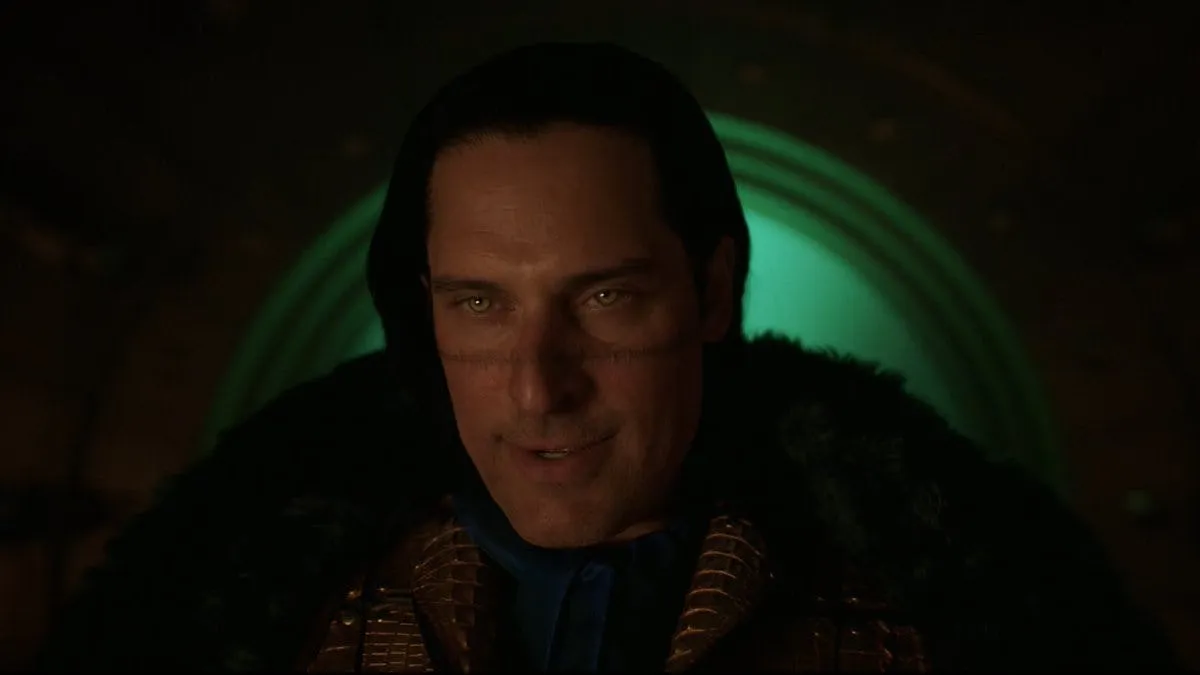
Joe Manganiello returns as Crocodile. He plays Mr. 0. The villain is terrifying because he is smart. He engineered a drought. He sold rain dust to fix it. He is hailed as a hero in Alabasta. This reputation is manufactured. It is a perfect metaphor for modern platform monopolies. They create problems. They sell the solutions. They control the narrative.
Crocodile has the Suna Suna no Mi power. He turns to sand. Physical attacks pass through him. This makes him impervious. But his mind is the real weapon. Season 3 will be a mystery story. The crew does not know his true identity. Only Nico Robin knows. This structure forces viewers to pay attention. Passive viewing is dead. Active engagement is the new metric.
The production schedule is aggressive. Two years between Seasons 1 and 2. Now, the gap closes further. This rapid turnaround strains resources. Yet, the quality remains high. The set design uses murals to tell backstory. This saves screen time. It compresses exposition. Efficiency is the core competency here. Other studios are still debating pilot orders. Netflix is already editing Season 4.
This approach disrupts the traditional content pipeline. Slow releases allow for course correction. Fast releases rely on initial accuracy. Netflix has bet everything on initial accuracy. They got it right with the casting. They got it right with the tone. They are now scaling that success. The risk is high. One misstep breaks the spell. So far, the spell holds.
The Alabasta arc tests this model. It introduces complex political intrigue. It adds new characters. It maintains continuity. The bandage detail is small. But it signals respect for the fans. Fans notice details. Details build loyalty. Loyalty drives subscription retention. This is not entertainment. It is a retention engine.
Supply chain logic applies to creative work too. Input speed determines output velocity. Netflix has optimized the input. They have reduced idle time. They have eliminated bureaucratic drag. The result is a product that feels fresh. It feels urgent. It feels necessary. Competitors are playing catch-up. They are stuck in pre-production purgatory. Netflix is already in post-production.
The lesson for the industry is clear. Speed without quality is noise. Quality without speed is obsolescence. Netflix has achieved both. They are rewriting the rules of adaptation. They are treating IP as a living asset. Not a static relic. The market will follow or fail. The choice is binary.
Author bio: Ethan Gallagher, a Silicon Valley Hardware Architect and Infrastructure Strategist