(SeaPRwire) –
By: Oliver Hawthorne
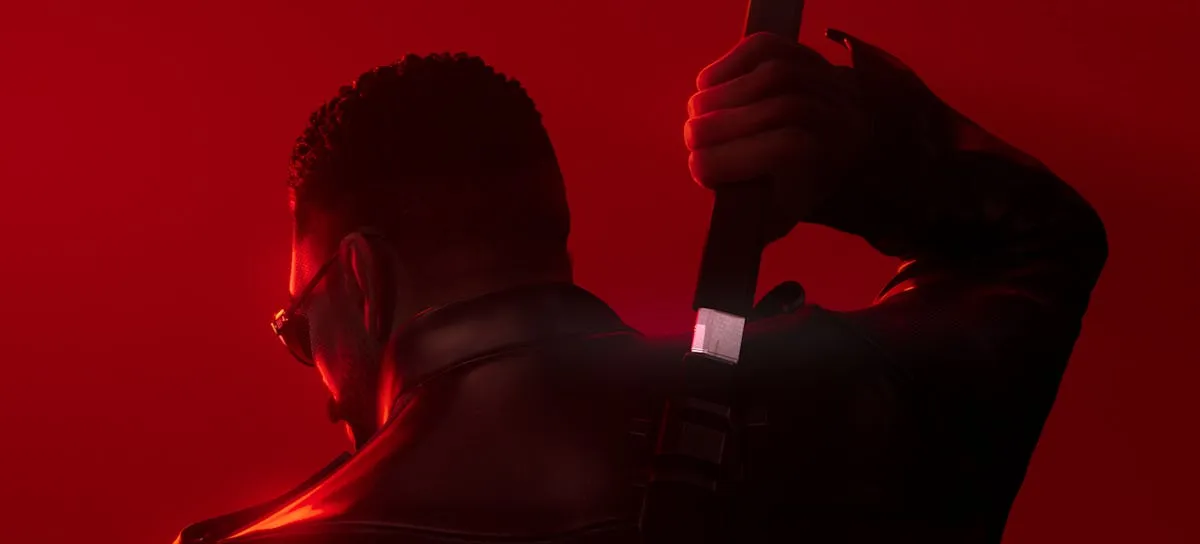
The Blade character should be a surefire pop culture hit. He’s a Black supernatural hero with a built-in fanbase. Vampire stories haven’t lost mainstream appeal. But every modern adaptation of the character has hit dead ends. That’s the central contradiction hanging over Marvel’s IP pipeline right now.
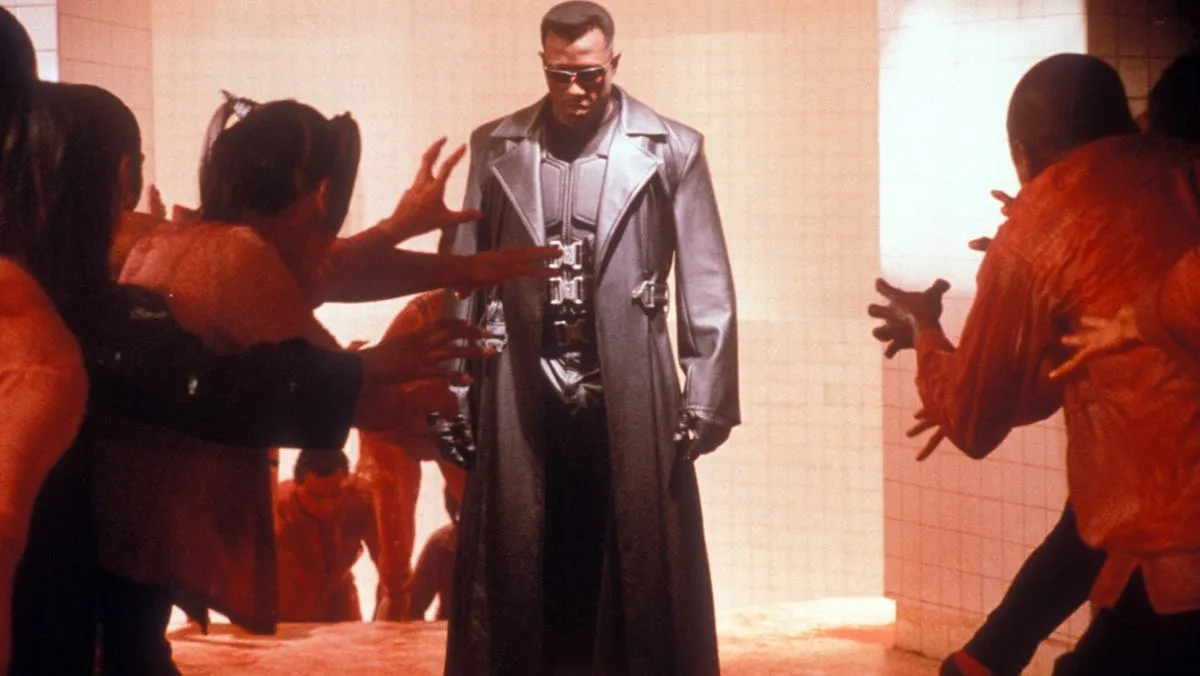
Blade first appeared in 1973’s Tomb of Dracula #10. Creator Marv Wolfman developed him after a failed DC pitch for a Black Teen Titans character. He grew up in NYC, attended the High School of Art and Design, wanting better representation for Black people in comics. The 1998 Wesley Snipes film was Marvel’s first successful movie project. It spawned two sequels and laid early groundwork for the MCU. A Mahershala Ali reboot was announced seven years ago, but has faced endless delays. Six screenwriters and two directors have left the project. It’s now being retooled as a Midnight Sons team-up film. On the gaming side, Microsoft is considering shutting Arkane Studios. The studio’s Blade game was delayed a year and ran over budget. It would be the first solo Blade game in 24 years, and first not tied to a prior adaptation. Blade has only had three ongoing solo comic titles in 50+ years. He’s appeared in team books and crossover events, though. He’s also popped up in recent projects: Marvel Zombies, Marvel Rivals in August 2025, and the upcoming Marvel Tokon: Fighting Souls.

The root issue isn’t the character himself. It’s that studios and publishers prioritize short-term brand alignment over authentic character storytelling. Marvel has struggled to give Blade a consistent identity outside team-ups. Studios have swapped his original mentor Jamal Afari for Whistler in the 1998 films, botched his globe-trotting Dracula hunt in Blade: Trinity, and ignored his teenage daughter Brielle Brooks. The gaming side faces similar issues, with Microsoft’s broader studio cuts putting the project at risk. Until studios stop treating Blade as an afterthought for bigger franchises, no adaptation will ever land properly.
Author bio: Oliver Hawthorne, Principal Correspondent for a leading international tech review, covering gaming and entertainment IP market trends.