

(SeaPRwire) – By: Robert Kensington
Marvel’s live-action Kang Dynasty collapse was never just about Jonathan Majors. It was a structural failure. The studio built its next Infinity Saga around a single actor’s persona, then watched that strategy implode when reality intruded. Now, *X-Men ’97* Season 2 quietly reclaims Kang’s narrative—via animation. This isn’t creative ambition. It’s risk mitigation dressed as innovation.
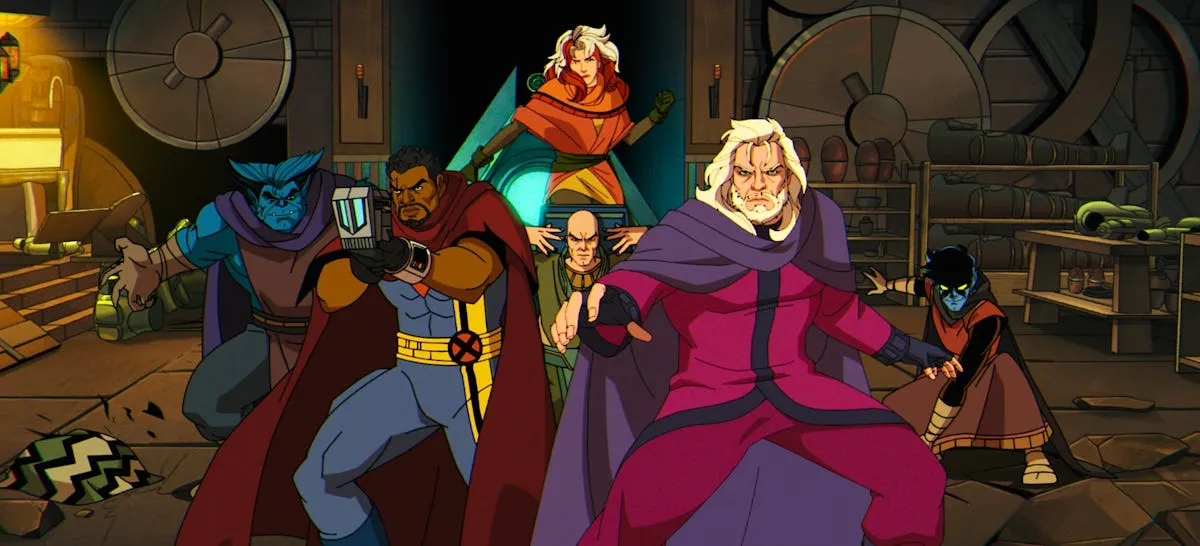
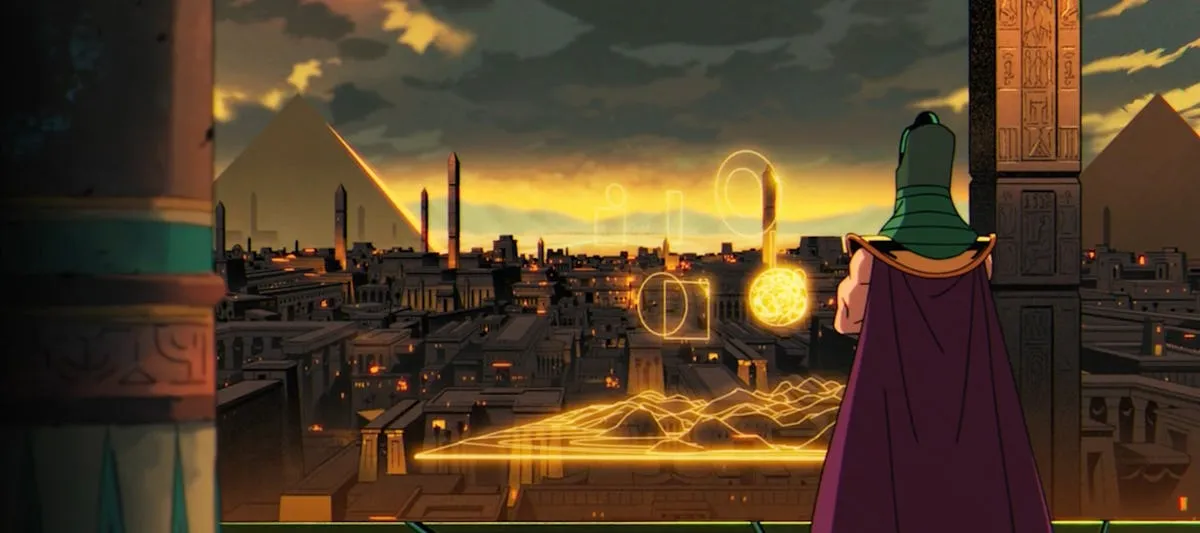
The press release frames Rama-Tut’s appearance as organic storytelling. Ancient Egypt. Time-slipping twists. A temple forged by “star gods.” Marvel touts this as proof animation can “expand the multiverse” without constraints. But peel back the PR veneer. The *X-Men ’97* script mirrors *The Kang Dynasty*’s original plot: Kang variants clashing over apocalyptic power. The only difference? No live-action actors to sue.
Marvel’s real calculus is obvious. Animation eliminates actor liability, VFX budget bloat, and franchise dependency on volatile talent. It also lets Kang’s story mutate—no need to reconcile Jonathan Majors’ portrayal with Nathaniel Richards’ comic history. The studio is quietly pivoting high-stakes IP to animated silos where failures won’t tank billion-dollar film launches. *Avengers: Secret Wars* gets the live-action spotlight; animation becomes the sandbox for untested narratives.
The supply chain shifts here. Disney+ now positions animation as a testing ground for legacy IP reinvention. But audiences don’t care about studio contingency plans. They’ll judge Rama-Tut’s impact by whether *X-Men ’97*’s gamble makes them revisit Marvel’s broader timeline—or scroll past it. The real story isn’t multiversal threats. It’s corporate survival instinct wearing a spandex mask.
Author bio: Robert Kensington, an overseas entrepreneurial veteran with decades of experience in real-economy industrial investment and expansion.