
(SeaPRwire) – By: Damian Finch
The streaming churn data is brutal. User retention curves are flattening. In this environment, a corporate press release about an animated reboot isn’t a creative decision. It’s a financial triage signal. Warner Bros. Animation’s announcement at Annecy 2026, resurrecting the 59-year-old vampire Barnabas Collins for an adult *Dark Shadows* series, is a stark admission. The vault of viable, pre-sold intellectual property is running dry. This isn’t about honoring a gothic classic. It’s a calculated bet on the last drops of brand recognition in a market saturated with content. The move exposes a core anxiety: when new franchises fail to ignite, the only reliable asset is a corpse you can reanimate.
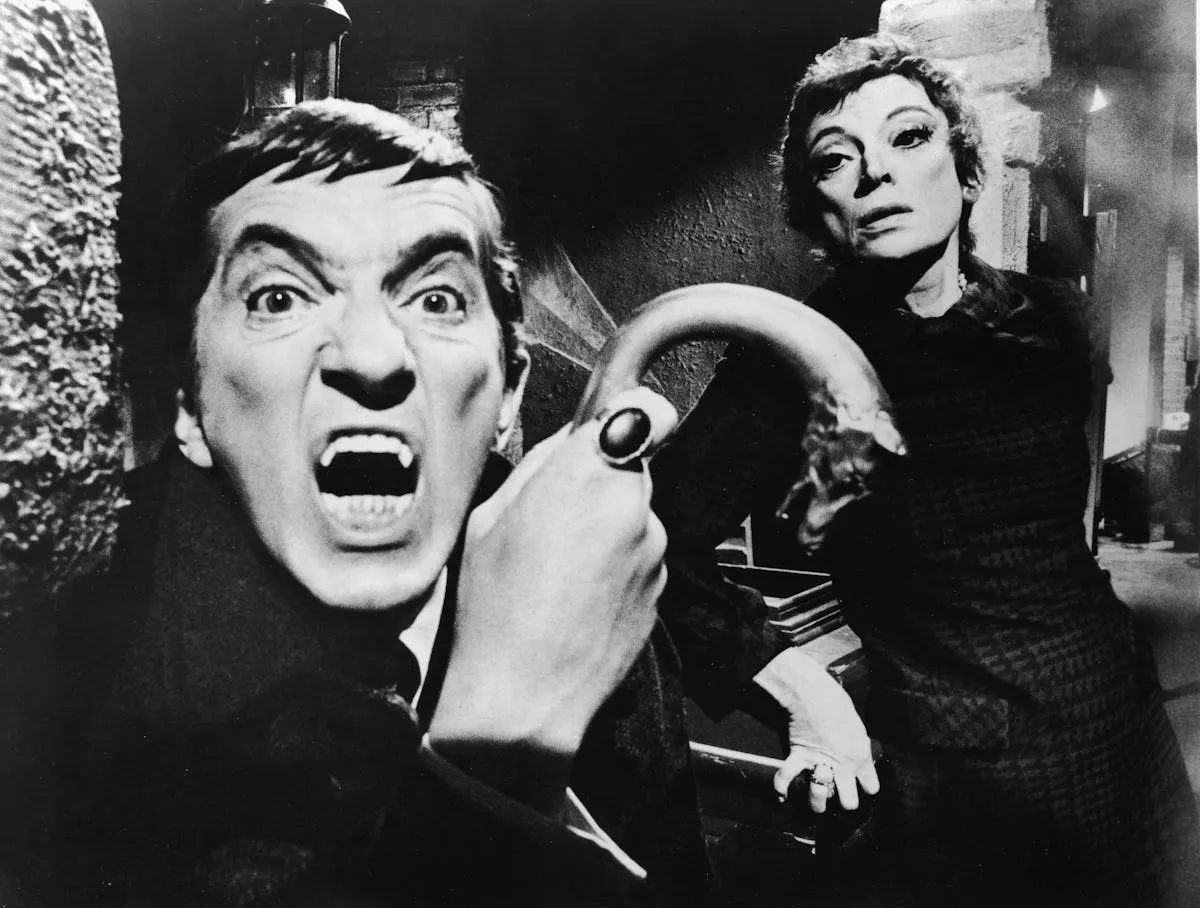
[Official Release Facts]: Warner Bros. Animation confirmed development during the 2026 Annecy festival. The project is an adult animated series reboot of *Dark Shadows*. It is the first new version since Tim Burton’s 2012 film. The press release explicitly states it is “resurrecting tormented vampire Barnabas Collins.” The character first appeared on April 18, 1967, played by Jonathan Frid. The original show debuted on ABC on June 27, 1966. Barnabas was introduced around the 210th episode as a ratings stunt. The new series has no release date, voice cast, or confirmed network.
[Industry Subtext]: The 60th anniversary hook is pure marketing arithmetic. The real calculation is cost and risk mitigation. An established name, however dusty, reduces customer acquisition costs. Adult animation is a high-margin play with lucrative merchandising and licensing potential. Choosing a property that peaked before most of its target audience was born is telling. It suggests the low-cost, high-recall IP tier—your *Friends*, your *Office*—is fully exploited. Studios are now drilling into the niche, cult stratum. This is portfolio management, not storytelling. The “adult” tag isn’t for creative freedom. It’s a demographic target for viewers with disposable income.
[Official Release Facts]: The original *Dark Shadows* was not conceived as a vampire show. It began as a gothic soap opera about a governess, Victoria Winters, in Collinsport, Maine. Creator Dan Curtis was inspired by a dream of a woman on a train. Writer Joseph Caldwell stated in a 2013 interview that Curtis asked for “a vampire for the kids for the summer” to boost ratings. Barnabas, the reluctant vampire, debuted deep into the run and became the phenomenon. The show is credited as patient zero for franchises like *Twilight* and *The Vampire Diaries*.
[Industry Subtext]: This origin story is the perfect metaphor for today’s content strategy. The original was a low-cost, daily soap opera. The vampire was a Hail Mary pass to fix a metrics problem—ratings. It was a tactical insertion that accidentally defined the entire brand. Modern studios are doing the same, but in reverse. They start with the brand—the vampire—and desperately try to build a sustainable show around it. The “accident” is now the pre-planned centerpiece. The announcement focuses solely on Barnabas, the accidental savior, because the actual premise of the original show is irrelevant. The brand is the vampire. The product is secondary. This is extraction, not expansion.
The endgame is a market where a handful of mega-conglomerates endlessly cycle through their own archived audience sentiments, monetizing nostalgia because funding genuine novelty is too expensive and the algorithmic odds are too long.
Author bio: Damian Finch, a growth-equity analyst tracking enterprise SaaS metrics and marketplace economics for a major financial research firm.