

(SeaPRwire) – By: Oliver Hawthorne
Video game adaptations are usually a graveyard of missed opportunities. Studios treat source material like a museum exhibit. They want to preserve every pixel. They fear alienating the core fanbase by changing anything. This caution kills creativity. It results in sterile, safe, and ultimately boring content. The industry needs to stop trying to translate interactivity into passive viewing. That is impossible. The magic of a game lies in player agency. Television is about directorial control. Trying to force them together creates a narrative Frankenstein.
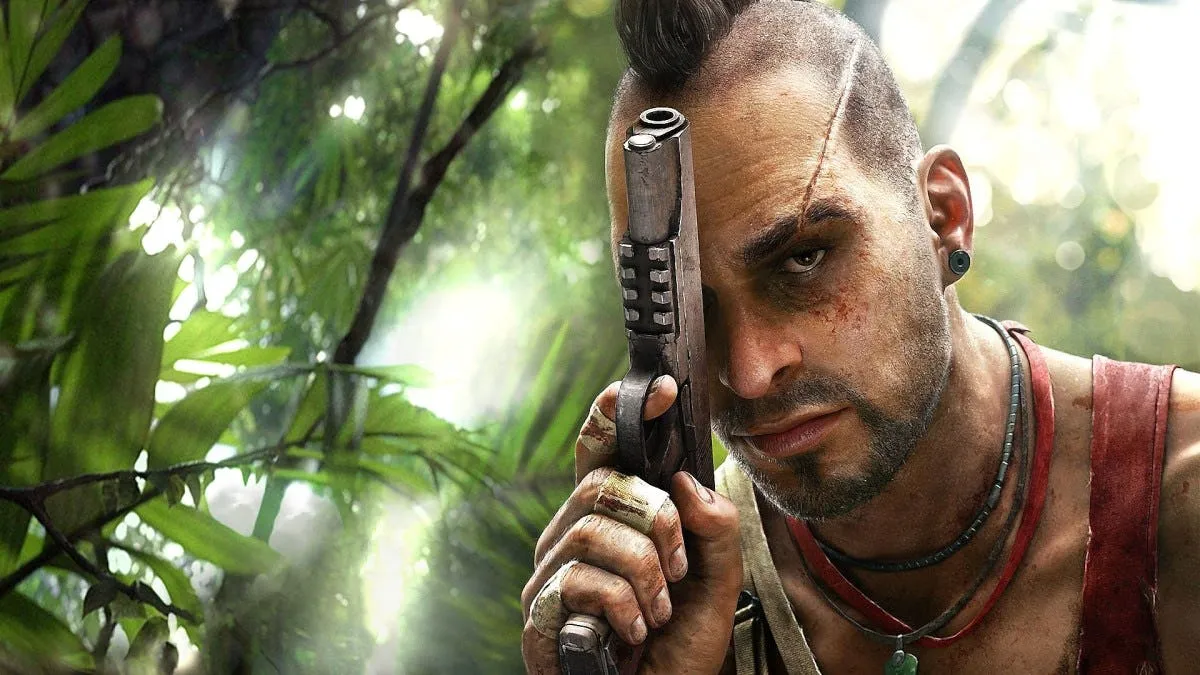
The announcement of FX’s *Far Cry* series changes the calculus. Lizzy Caplan and Rob McElhenney are attached. Noah Hawley is the creator and lead writer. Hawley made a bold declaration recently. He stated the show will not adapt any specific game directly. He argues that cutscenes make human drama irrelevant in games. Players skip them. They focus on gameplay. This logic is flawed but the outcome is brilliant. By ignoring the plot, Hawley frees the narrative. He can explore the themes without being shackled to the mechanics.
Hawley describes the show as an anthology. Each season tells a different story. The unifying theme is civilized people becoming uncivilized. This mirrors the core ethos of the *Far Cry* franchise. The games have always explored this descent. From Thailand to Montana, the settings change. The violence remains constant. The anthology format honors this versatility. It allows for fresh perspectives every year. It avoids the fatigue of a single continuous storyline. It respects the source material’s spirit, not its script.
This approach mirrors the success of *Fallout* on Amazon. That series took liberties with the lore. It delighted fans by capturing the tone. It did not feel like a rigid retelling. It felt like a living world. Hawley and McElhenney are aiming for that same sweet spot. They are building a sandbox for storytelling. They are not bound by Ubisoft’s canonical timeline. This gives them creative freedom. It also raises the stakes. If they fail, they fail hard. There is no existing plot to fall back on.
The casting choices support this ambitious direction. Lizzy Caplan brings intensity and nuance. Rob McElhenney adds grounded charisma. Their presence suggests high production value. It signals that FX is treating this as prestige television. Not just a niche genre play. This elevates the potential impact. It brings mainstream attention to a franchise often dismissed as mindless shooting. It challenges the perception of video game IPs. It proves they can carry complex, adult narratives.
Noah Hawley’s track record supports this optimism. He created *Legion*. That show was visually experimental and narratively dense. He also helmed *Fargo*. That series is the gold standard for anthology storytelling. Each season is self-contained yet connected by tone. Applying that formula to *Far Cry* is a masterstroke. It transforms a shooter franchise into a psychological thriller. It focuses on the human cost of survival. It explores the seduction of bloodshed. This is what the games hint at but rarely dwell on.
The industry is watching closely. Success here could redefine how studios approach adaptations. Failure would reinforce the skepticism. But the potential is enormous. We are moving past the era of lazy IP exploitation. Audiences demand authenticity. They crave innovation. They reject cookie-cutter content. *Far Cry* offers a unique canvas. It is dark, chaotic, and morally ambiguous. It fits the current cultural moment perfectly. It reflects our anxieties about civilization’s fragility.
If Hawley plays his cards right, we could see a landmark series. One that stands alongside the best genre television. It would not just entertain. It would provoke thought. It would challenge viewers to confront their own capacity for violence. It would honor the games by transcending them. This is not just about selling tickets. It is about elevating the medium. It is about proving that video games can inspire serious art. The stage is set. The players are ready. Now we wait for the broadcast.
Author bio: Oliver Hawthorne, a Principal Correspondent permanently stationed at an international technology review, covering the intersection of gaming culture and mainstream media production.