(SeaPRwire) – By: Logan Pierce
The real story of Marvel’s dead *Blade* movie isn’t about vampires. It’s a clinical autopsy of a modern studio system that has forgotten how to make a single, coherent film. The project’s five-year public flogging, from its 2019 announcement to Kevin Feige’s recent admission of failure, exposes a fundamental corporate pathology. When a two-time Oscar winner like Mahershala Ali and a reported $200 million budget can’t get a straightforward genre film off the ground, the problem isn’t creative. It’s systemic. The machine is clogged with too many competing agendas, too much fear, and not enough decisive leadership. This isn’t a project slipping through the cracks. It’s a project being deliberately disassembled by committee.
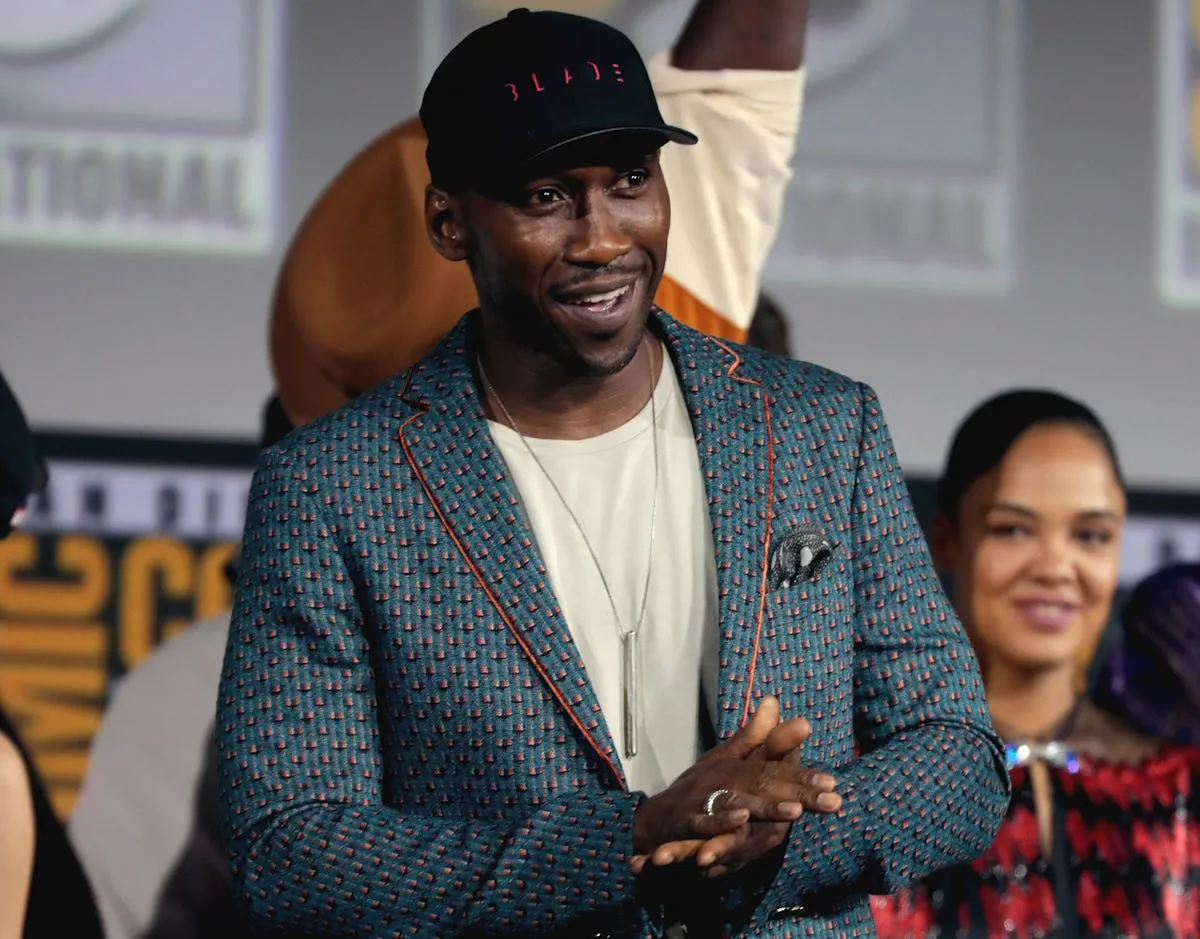
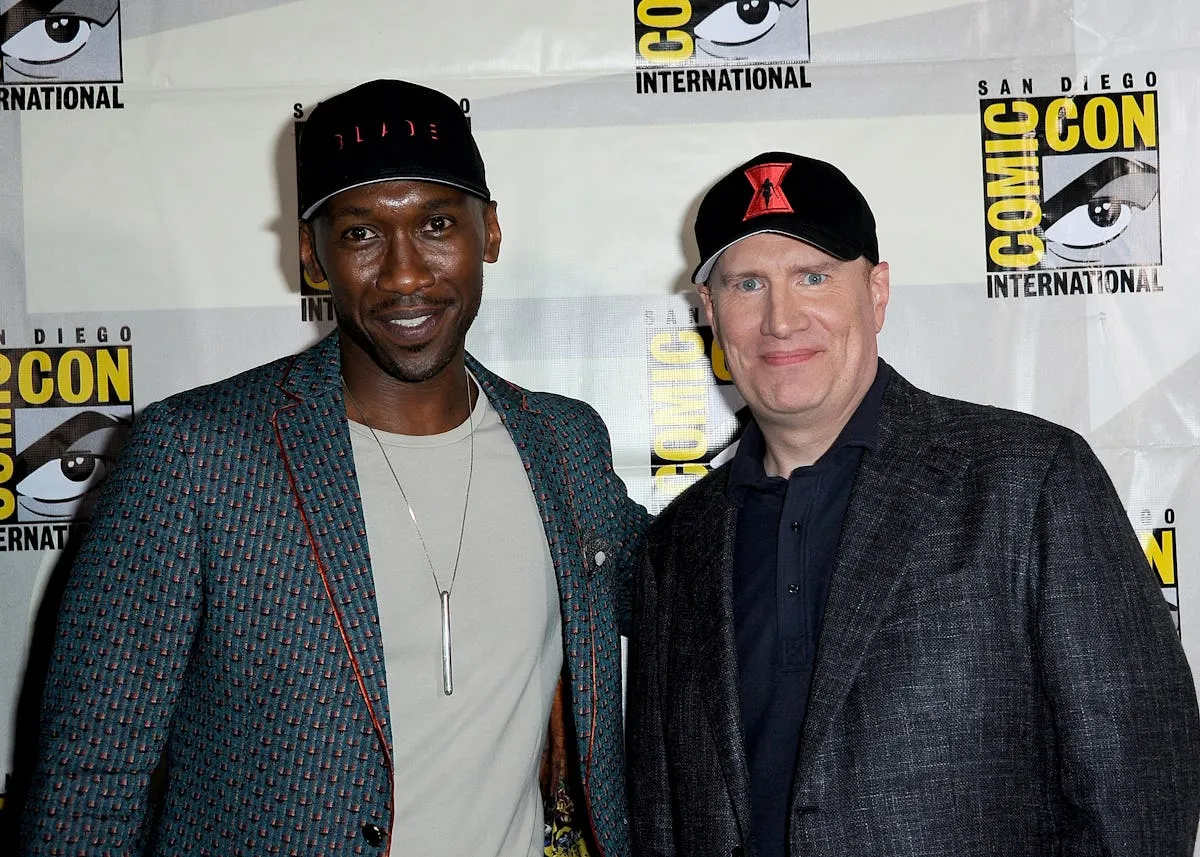
[Official Announcement Facts]: In 2019, Marvel Studios President Kevin Feige announced a new *Blade* film starring Mahershala Ali at San Diego Comic-Con. The announcement was a major event, positioning the vampire hunter as a cornerstone of the MCU’s supernatural future. Over the subsequent five years, the project cycled through two directors and seven screenwriters. Its creative direction reportedly shifted wildly, from a Prohibition-era period piece to a female-led narrative with “life lessons” to a straightforward action film. The second director, Yann Demange, departed in mid-2024. The release date, pushed back multiple times, was eventually removed from Marvel’s calendar entirely. In late 2024, Feige appeared on the *Happy Sad Confused* podcast and stated, “I am feeling like a gigantic loser and failure that we didn’t get off the ground with Mahershala.”
[True Commercial Intentions]: The glitzy 2019 announcement was a market signal, a placeholder for investor and fan confidence during a phase of post-*Endgame* uncertainty. The real intention was never to make *that specific movie*. It was to stake a claim on intellectual property and a star, keeping both out of competitors’ hands while the studio figured out its broader “Multiverse Saga” architecture. The seven writers and two directors weren’t searching for the perfect vision. They were reacting to shifting internal mandates about tone, connectivity, and marketability. The Prohibition-era idea was likely a bid for awards prestige. The “life lessons” pivot suggests notes from brand managers worried about dark content. Each rewrite was a response to corporate anxiety, not a step toward a finished film. The project became a financial sinkhole for development fees, a casualty of Marvel’s new reality where every film must service a grand plan that itself is constantly changing.
[Official Announcement Facts (Continued)]: Feige, in his podcast comments, expressed clear disappointment while also highlighting the excitement of having the original *Blade*, Wesley Snipes, appear in *Deadpool & Wolverine*. The character has already appeared in the MCU via a voice cameo as “Blade Knight” in the animated Disney+ series *What If…?*. Industry rumors suggest Blade may be folded into a potential *Midnight Sons* ensemble film featuring characters like Ghost Rider and Moon Knight. This would provide a path for the character to appear without the burden of a solo film.
[True Commercial Intentions (Continued)]: Feige’s praise for Snipes’ cameo isn’t nostalgia. It’s a strategic redirect. It tells audiences, “You got your Blade fix here, move along.” The *What If…?* cameo was a cheap, low-risk way to check the “Blade in MCU” box for shareholders. The *Midnight Sons* rumor is the exit strategy. A solo film carries the weight of a $200M+ box office expectation. An ensemble film dilutes that risk. Ali’s star power can be leveraged in a team-up where his role is smaller, the budget is shared, and the failure of a single character doesn’t sink the ship. The commercial intention is now salvage, not ambition. They are dismantling the grand solo vehicle to repurpose its parts for a safer, more formulaic product. The goal is no longer to make a great *Blade* movie. It’s to minimize the reputational and financial loss of the failed development cycle.
The market share reshuffling here is internal and brutal. Marvel isn’t losing ground to DC or Sony. It’s ceding territory to its own past success. The studio that once built a universe on clear visions for individual characters (*Iron Man*, *Captain America*) is now paralyzed by its own sprawling continuity. The failure of *Blade* signals that the “Marvel Studios” brand, once a guarantee of a certain kind of streamlined blockbuster, can no longer reliably execute on a simple premise. This will accelerate the fragmentation of its audience. Fans will gravitate toward outlier successes like *Deadpool* that operate by different rules, while the core “sacred timeline” films face increasing skepticism. The ultimate commercial endgame is a bifurcated slate: a handful of risky, director-driven projects to maintain critical credibility, and a bulk of safe, low-stakes ensemble films where no single character bears too much weight. The era of the solo superhero launchpad, the very engine of the MCU’s first decade, is being quietly retired. *Blade* is its most expensive funeral.
Author bio: Logan Pierce, an independent business researcher and corporate governance writer analyzing the strategic failures and operational decay within large-scale entertainment conglomerates.