
(SeaPRwire) – By: Christian Pierce
Warner Bros holds a fractured intellectual property library. They keep rebooting tired theatrical properties annually. They burn massive capital on weekend box office projections. The Snyderverse collapsed under its own logistical weight. James Gunn now directs DC Studios operations. He promised a clean architectural slate to investors. He delivered a functioning foundation last summer. Superman performed comfortably above corporate expectations. The financial math looked perfectly viable initially. Capital flowed freely across active development divisions. Production schedules filled rapidly without external audits. Then August arrived unexpectedly. Supergirl bombed completely at the global box office. Investors panic immediately across Wall Street desks. Production halts interrupt active shoot days. New greenlights face intense executive scrutiny. Franchise engines stall without consistent premium ticket sales. Gunn refuses to throttle corporate momentum. He treats the studio like a precision logistics operation. Every approved project feeds the next pipeline phase. He understands a single theatrical misstep cannot stop heavy machinery. Television budgets operate on entirely different financial scales. Streaming retention metrics dictate long-term corporate viability. Audience attention spans matter far more than opening weekend receipts. The strategic pivot shifts from event cinema to serialized world-building. They are constructing a television ecosystem as primary infrastructure. Feature films now function as broad marketing tractors. The actual financial engine lives exclusively in subscription data. Gunn anticipates this structural corporate shift completely. He moves aggressively to secure intellectual property footholds everywhere. New Batman blueprints already sit in active production. Wonder Woman solo projects follow directly in the queue. Clayface receives minor departmental development status. The corporate portfolio actively diversifies away from Kryptonian lead reliance. The studio desperately needs durable mid-tier television revenue streams. True crime narrative formats deliver exactly that lucrative asset class. They require significantly lower initial overhead costs. They sustain casual audience attention across full broadcast seasons. Network executives will absorb the entire financing burden easily. Theatrical failures now bleed zero franchise brand equity. This tactical pivot actively protects the broader development slate. Internal war games begin behind closed marketing doors. Distribution supply chains adjust rapidly to streaming metrics. Advertising budgets reroute toward digital retention campaigns entirely. The entire consumer acquisition model restructures around sustained viewership. Profit margins gradually stabilize across multiple verticals. Execution protocols tighten considerably during off-season planning. The corporate entity survives another quarterly earnings call comfortably. Liquidity reserves stabilize automatically when production queues fill completely. Marketing spend reduces significantly when narrative continuity sustains interest. Budget allocations shift heavily toward retention tracking software upgrades.
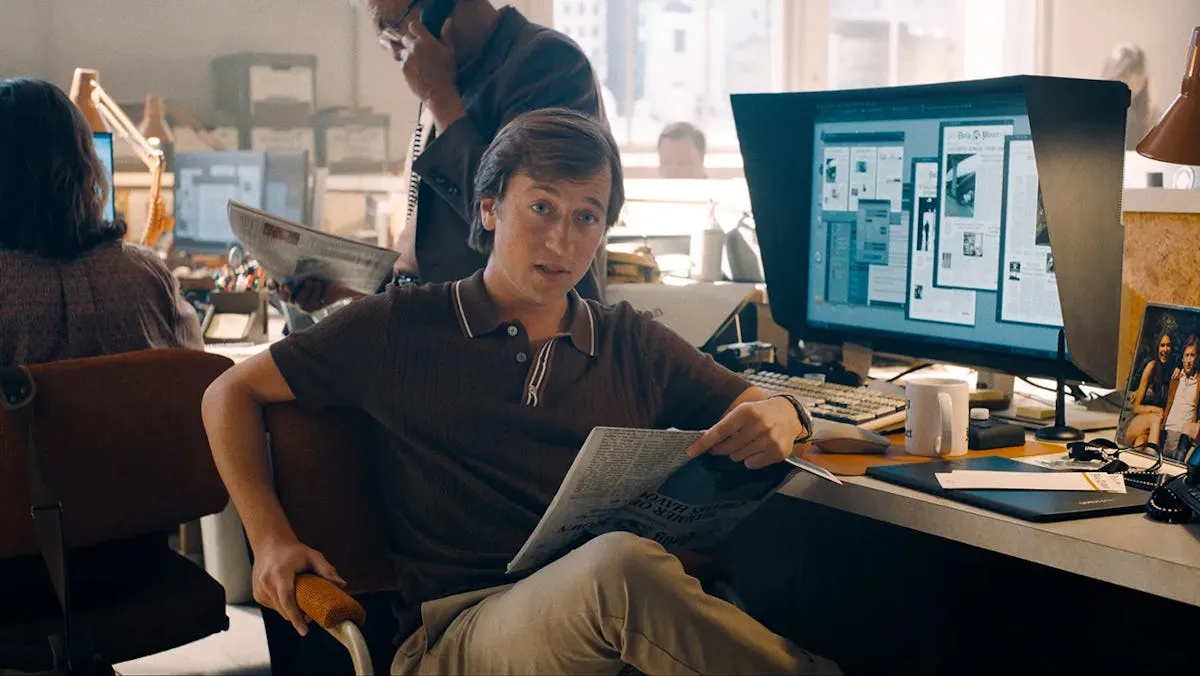
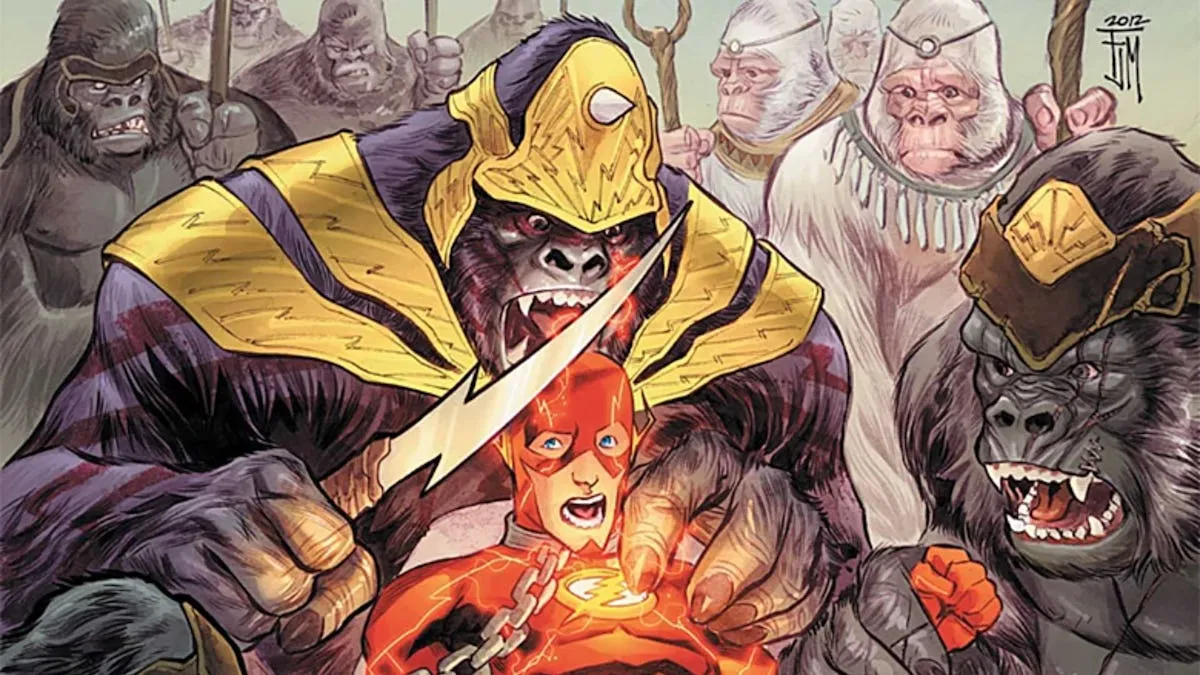
The production timeline reveals this exact architectural pivot clearly. Deadline published the casting intel on July fifteenth. Skyler Gisondo confirms his return to the Daily Planet desk permanently. He anchors an entirely new scripted television project immediately. The series carries zero official studio title currently. Industry insiders track it purely as a targeted spinoff vehicle. Jimmy Tatro recently signed a formal contract to portray Gorilla Grodd. That specific character sits firmly within established Flash mythology originally. He operates as a Machiavellian sentient ape antagonist successfully. The showrunners deliberately selected creators behind American Vandal explicitly. They intend to mimic a grounded true crime documentary format. Olsen hosts the entire narrative framework personally. The plot focus lands squarely on supervillain organizational lore. Season one targets Grodd as exclusive central antagonist. Secondary cast members remain completely unconfirmed internally. Daily Planet administrative staff likely populate the supporting ensemble immediately. The structural blueprint invites flexible anthology possibilities organically. A second season could reset narrative continuity entirely. New antagonists take strict priority annually. The creative team prioritizes narrative flexibility over rigid franchise continuity. Filming protocols commence later this calendar year precisely. Post-production visual effects schedules demand eighteen months minimum. Broadcast windows target early twenty twenty seven reliably. Warner Bros maintains strict release date ambiguity officially. They refuse to lock premiere timestamps prematurely yet. The decision order feels surprisingly early in the DCU lifespan. Executive producers recognize the strategic commercial value completely. The format introduces peripheral universe corners efficiently now. Dedicated hero development projects lack sufficient construction cycles currently. A standalone Flash entry requires years of foundational groundwork. This specific vehicle bridges that critical narrative gap effectively. Lore expands without demanding traditional blockbuster production budgets. Character introductions bypass heavy theatrical red tape protocols completely. Viewers engage through episodic cliffhangers rather than weekend marketing hype. The narrative architecture supports infinite scaling possibilities continuously. Data collection remains seamless across major streaming platforms today. Audience retention metrics stabilize naturally throughout episode runs. IP brand awareness grows incrementally across demographics. Production schedules run continuously without seasonal gaps between phases. Crew retention improves dramatically when project pipelines extend annually. Location leasing contracts lock in favorable long-term rates naturally.
The underlying commercial loop follows a highly predictable capital efficiency pattern. Television productions absorb fixed operating costs evenly across quarters. Weekly episode deliveries flatten severe budget spending spikes entirely. Staff contracts renew predictably on quarterly cycles. Location rentals lock securely into annual operational terms. Marketing expenditures distribute smoothly across twelve monthly tracking cycles. Revenue streams rely heavily on subscription tier upgrades now. Advertisers purchase predictable pre-roll digital slots consistently. Merchandise licensing expansions multiply alongside character recognition scores. The franchise model sacrifices theatrical spectacle for domestic consistency. Gunn recognizes this economic reality inside and out. The studio no longer chases unpredictable cultural phenomenons anymore. They chase measurable subscriber duration metrics constantly. Viewer retention beats initial acquisition numbers every fiscal cycle. Box office volatility disappears completely behind subscription aggregators today. International markets consume serialized narrative content uniformly across regions. Licensing deals multiply steadily across third-party syndicators globally. The entire corporate operation resembles a standardized utility company now. Reliable narrative output replaces sporadic theatrical explosions effectively. Competitors struggle significantly to match this aggressive production pacing. Other studio executives cling desperately to event cinema myths. They waste enormous capital on unreleased intellectual property reservoirs. Gunn’s current apparatus functions much like a precision manufacturing floor. Standardized content outputs guarantee predictable corporate yields annually. Risk distribution occurs systematically across multiple parallel development pipelines. If one specific title underperforms within a market segment entirely. The remaining catalog sustains total corporate solvency effortlessly. This structural approach demands ruthless editorial discipline constantly. Writers rooms rotate personnel frequently to maintain quality. Tone adjustments align precisely with demographic friction points. Genre boundaries blur intentionally to capture broader viewing bases. The commercial end game arrives through incremental audience capture strategies. Casual viewers convert directly into committed paid subscribers quickly. Active subscribers transform into repeat merchandise buyers reliably. Consistent buyers generate substantial secondary licensing revenue streams directly. The financial cycle closes quietly without media fanfare. No expensive announcements sound publicly across trade press. No expensive press conferences dominate industry headlines either. Quarterly profits compound silently across subsidiary divisions. Warner Bros finally achieves basic operational corporate maturity. The wider entertainment industry finally accepts serialized IP as primary currency. Corporate executives redirect development capital accordingly across all divisions. Future theatrical developments require zero premiere validation from critics. Direct-to-platform narrative deployment becomes the absolute industry new normal. Studios optimize financial structures for weekly engagement metrics alone. Quarterly earnings calls reflect cumulative subscriber growth data purely. Theatrical underperformers register as minor accounting footnotes internally. Market dominance arrives through consistent high-volume delivery patterns. Gunn builds his corporate strategy precisely for that exact outcome. Financial forecasting improves dramatically with predictable release cadences. Operational overhead decreases steadily as infrastructure scales upward. Board approval for future quarters arrives without resistance. The business model finally aligns with modern streaming economics. Executives should implement this framework across all divisions immediately. Developments must allocate production budgets toward reliable serialization alone.
Author bio: Christian Pierce tracks global media acquisition patterns and production economics for international financial publications.