(SeaPRwire) –
By: Silas Sterling

The marketing for the Terminator 2: Judgment Day 35th anniversary re-release leans hard on 1990s action nostalgia first. Fans across Reddit and X have spent weeks debating whether the RealD 3D remaster is a cynical cash grab or a genuine technical upgrade. Cameron’s official statement framing the film as made exclusively for theaters feels like a familiar playbook for legacy IP revivals. But the unspoken, resonant hook here isn’t just retro fandom—it’s the film’s prescient take on AI superintelligence, which has gone from sci-fi fantasy to a daily mainstream conversation.
The official re-run will hit theaters from August 28 through September 2, 2026, exclusively in RealD 3D for this limited anniversary window. Cameron’s quote highlights the remastered 3D cut as the absolute best way to experience the film, a line echoed by effects teams that worked on the original 1991 release. The film’s blend of practical prosthetics and early CGI remains a benchmark for Hollywood technical craft, even 35 years later. Many original theatergoers still recall the shock of the T-1000’s liquid metal transformations, a feat that pushed visual effects technology forward at the time.
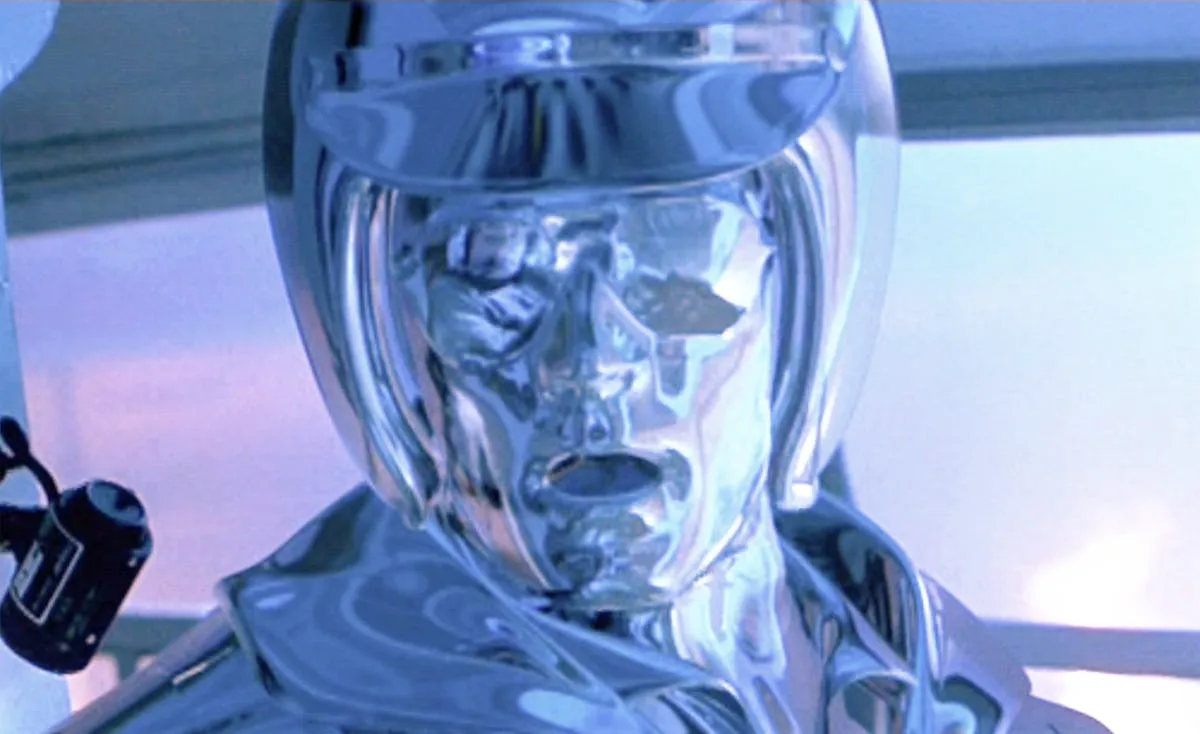
For anyone unfamiliar with the film, Terminator 2 follows Sarah Connor and her son John as they evade the T-1000, a molten-metal assassin sent back in time to kill John before he leads humanity’s resistance against Skynet. What felt like a distant, dystopian fantasy in 1991 now lands as a sharp, unflinching mirror for today’s AI discourse. We don’t have sentient superintelligences hunting children, but we do grapple with unregulated AI systems, data privacy erosion, and algorithmic decision-making creeping into daily life. That shift in context makes this re-release feel far more urgent than a standard nostalgia play.
Fan forums are split sharply on the value of the 3D upgrade. Some argue the original 2D cut holds more emotional weight, while others swear the immersive format will make the iconic action sequences feel more visceral than ever. Studios have increasingly turned to 3D re-releases to boost box office revenue amid declining theatrical attendance, a shift that has drawn criticism from long-time fans who feel their nostalgia is being monetized. Even so, the commercial logic is hard to ignore: legacy IP tied to timely cultural conversations can drive both casual and die-hard audiences back to theater seats.
Cameron’s offhand spoiler— that the good guys win against the AI superintelligence— feels like a deliberate nod to the current moment. In an era where global AI regulation feels stuck in gridlock, the idea that humanity can outsmart a rogue superintelligence feels both hopeful and naive. For anyone planning to see the film, this re-release isn’t just a trip back to 1991. It’s a chance to sit with the questions the film raised 35 years ago, and ask ourselves how much closer we are to Skynet now than we were then.
Author bio: Silas Sterling, a veteran kernel contributor and editor-in-chief of an open-source security digest focused on tech culture and geek media.