


(SeaPRwire) – By: Christian Pierce
Supergirl’s middling reviews and disappointing box office aren’t just a blip. They’re a warning sign for Hollywood’s superhero machine. The industry’s shift from loose, creative adaptations to strict canon fidelity as a marketing tool has backfired spectacularly. This strategy alienates casual viewers who lack decades of comic book context and frustrates fans promised a faithful retelling that never materializes. It’s a lose-lose, and it’s worsening the growing chatter around superhero fatigue.
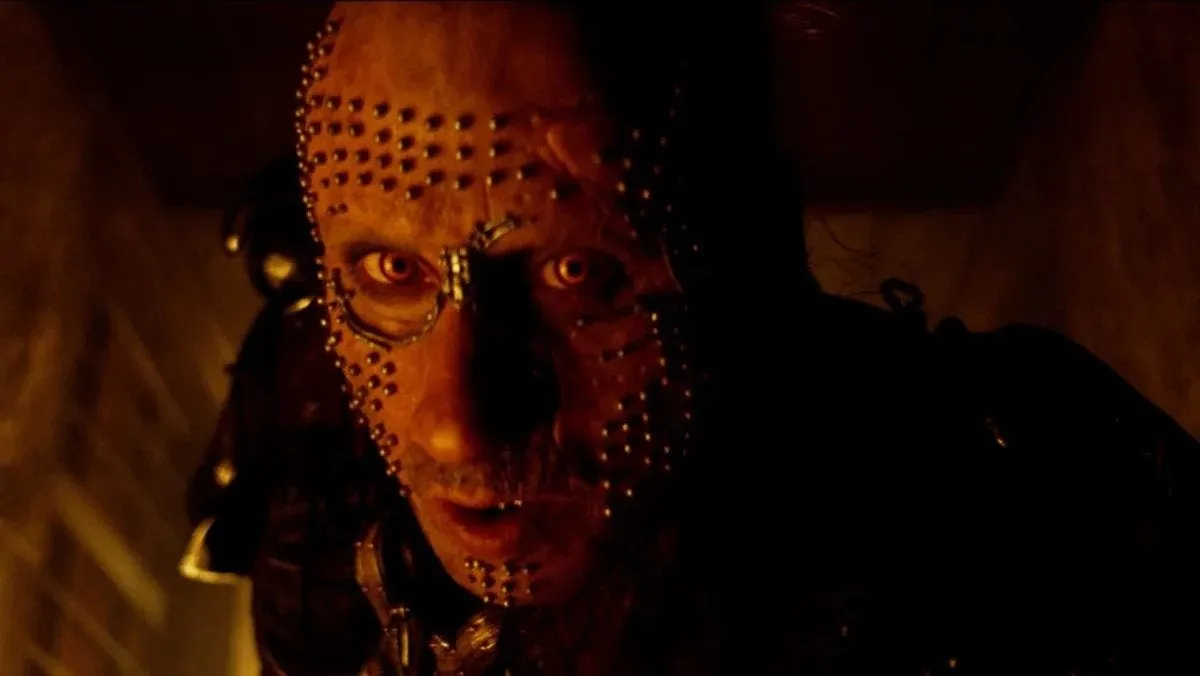
Tom King’s 2021-2022 *Woman of Tomorrow* arc isn’t a standalone origin story. It’s a deconstruction of Supergirl’s 60-year legacy of unwavering optimism. The comic digs into her buried grief over Krypton’s destruction, framing her refusal to take a life as a choice forged by decades of suppressing pain. The movie adapted this arc as Supergirl’s first DCU outing, completely missing that metatextual weight. It hits the broad story beats: a drunken bar fight, Krypto poisoned, a quest for revenge against Krem. But it mangles the details. Krem goes from a charismatic swashbuckler to a scarred, generic villain. Ruthye’s quest is truncated, robbing her of the chance to confront horror firsthand. The comic’s nuanced ending—banishing Krem to the Phantom Zone to face his remorse—is replaced with a simplistic kill. Even Bilquis Evely’s bold color work, a key part of the comic’s identity, is left out. Successful superhero films like Sam Raimi’s *Spider-Man 2* and *The Dark Knight* never chased 1:1 adaptations. They borrowed core elements from iconic arcs and wove them into original, cohesive stories.
Hollywood’s canon fidelity strategy breaks the commercial loop that made superhero films dominant. Fans feel betrayed by watered-down adaptations, while casual viewers are left confused by stories built on decades of unspoken context. The end-game is clear: studios must stop treating comic book arcs as rigid blueprints. For character introductions especially, they need to prioritize accessible, self-contained stories that honor the character’s essence, not just specific canon beats. Supergirl’s failure proves that blind fidelity isn’t a selling point—it’s a liability.
Author bio: Christian Pierce, chief financial columnist and markets commentator, analyzes media industry strategies and box office performance trends.