(SeaPRwire) –

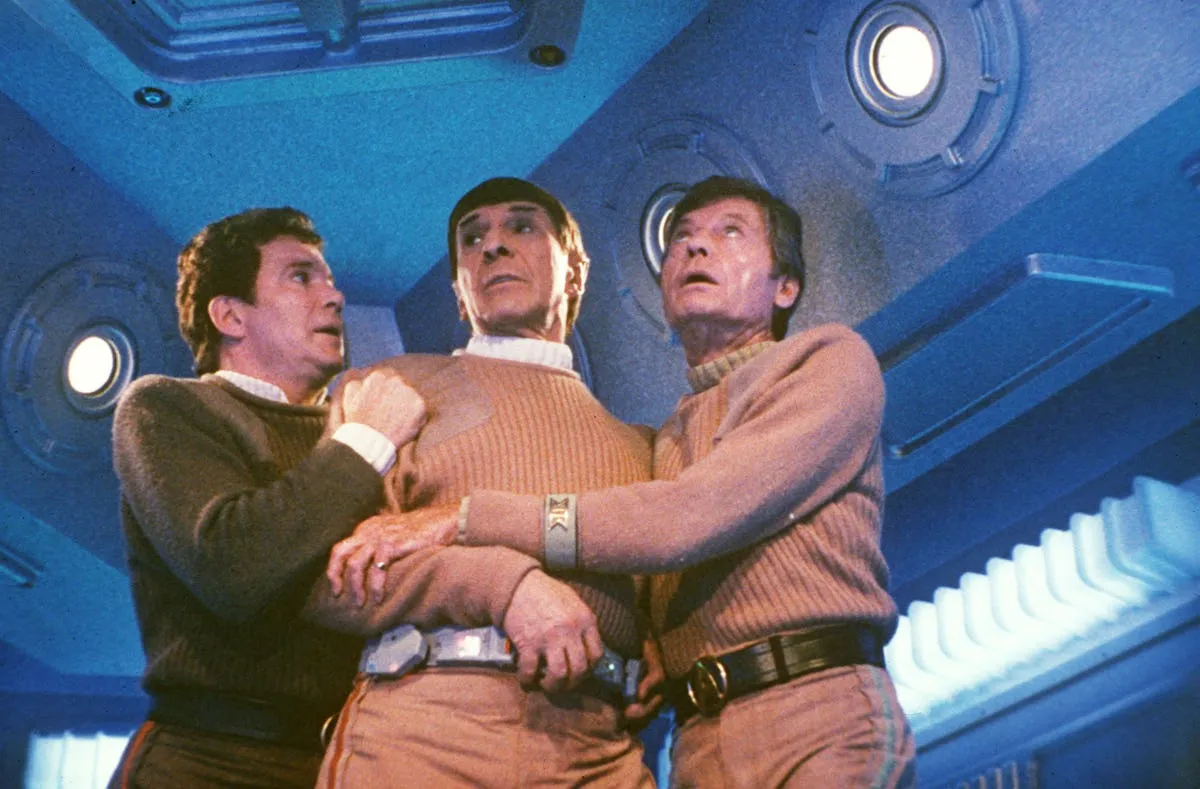
By: Silas Sterling
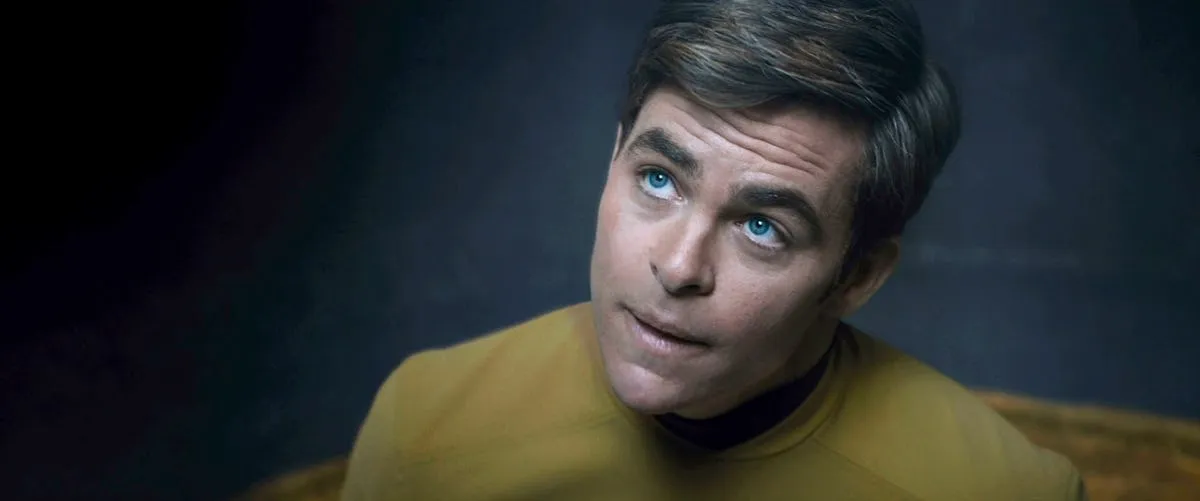
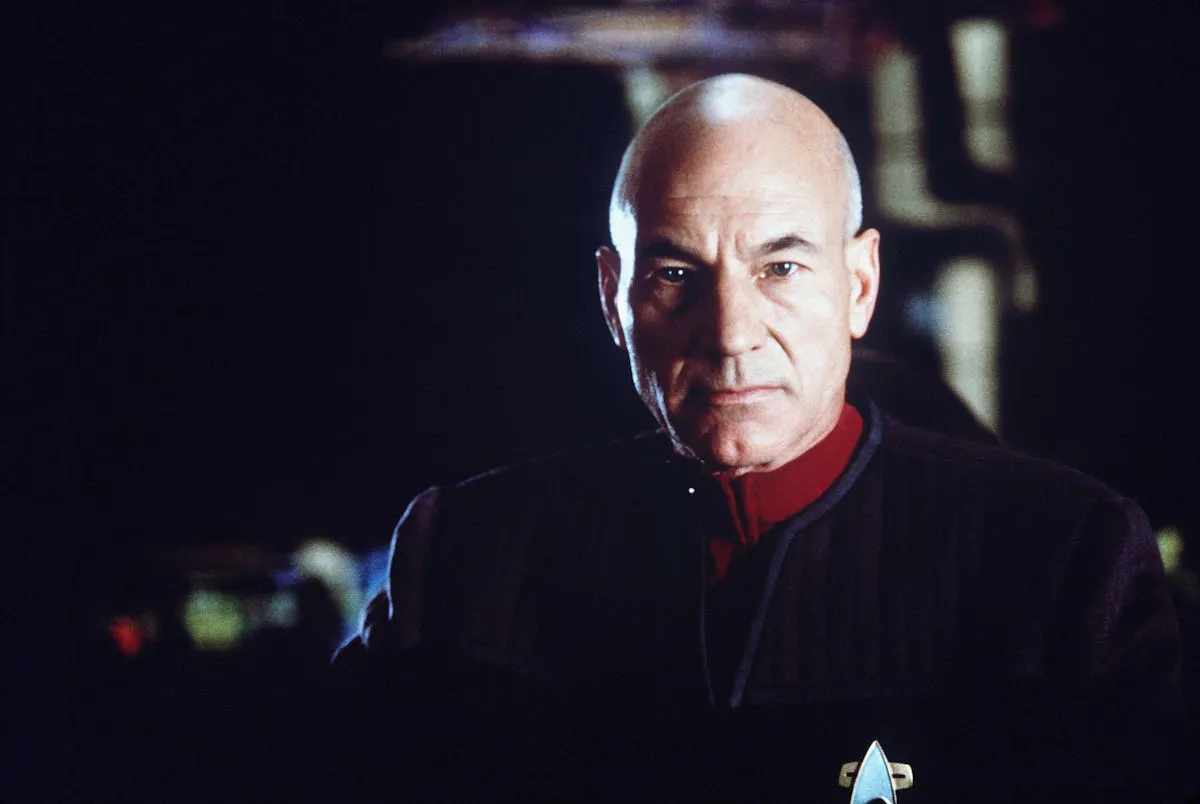
Paramount is leaning hard into Star Trek nostalgia right now, and for good reason. The TV franchise hits a pause after 2027, following the releases of Strange New Worlds Season 5 and Starfleet Academy Season 2. The next big Trek push is the in-development film from Dungeons & Dragons duo Jonathan Goldstein and John Francis Daley. Right now, every Trek fan forum and Discord server is flooded with the same question from new and lapsed viewers: what order do I watch the films in, without wasting 10 hours on garbage entries? The old Simon Pegg line about odd-numbered Trek films being bad has resurfaced, but the 14-film slate (including 2025’s Section 31) makes that old rule obsolete faster than a warp core breach.
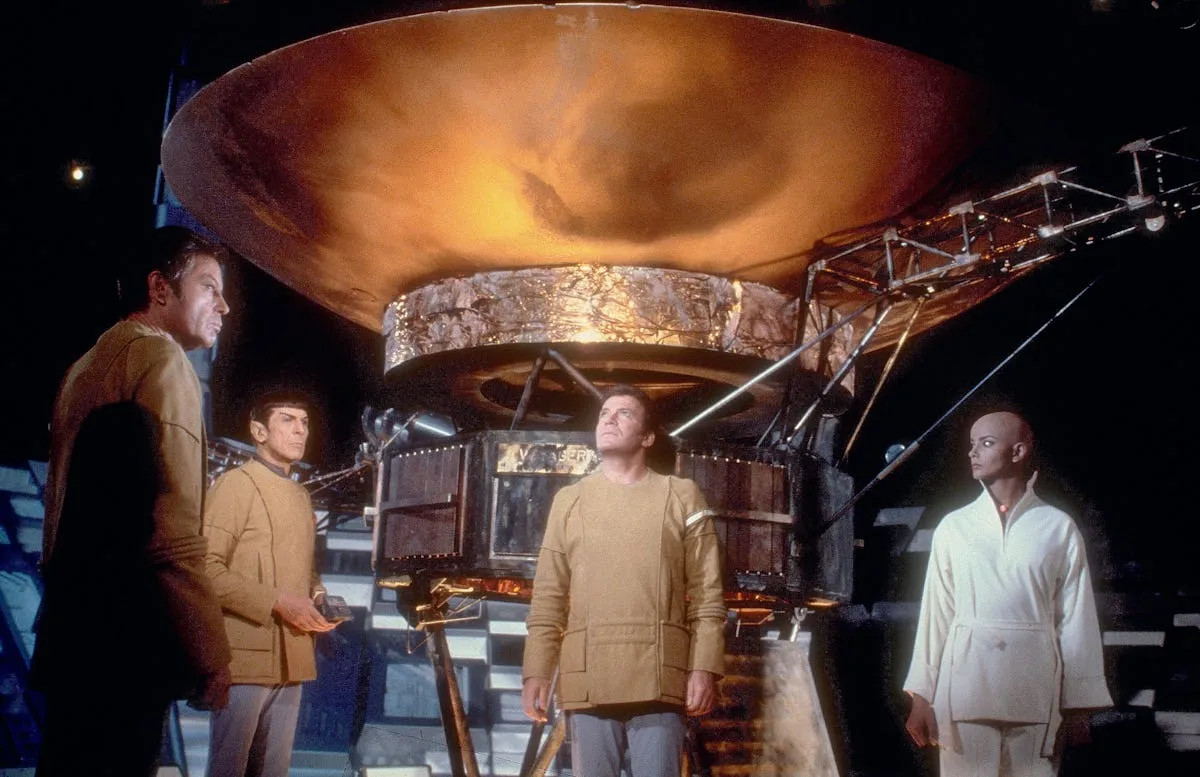
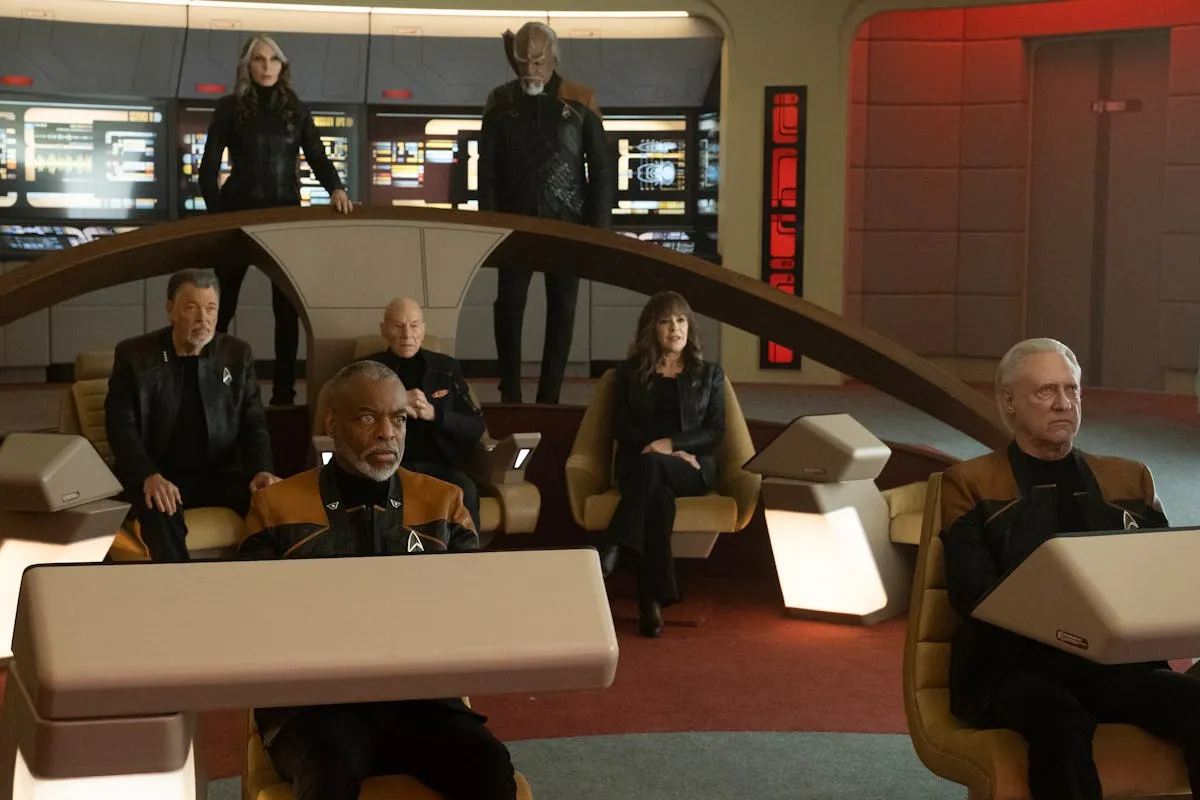
The default watch order Paramount pushes on its streaming service is release order, spanning 1979’s Star Trek: The Motion Picture to 2025’s Section 31. This order works if you want a crash course in 47 years of sci-fi cinema evolution, but it’s a terrible entry point for new fans. It lumps three separate canons together: six Original Series films, four Next Generation films, three Kelvin timeline reboots, plus the standalone Section 31. New viewers will get confused when the entire cast swaps every few entries, with no context for the timeline shifts. Even seasoned fans can find the jump from Nemesis to the 2009 reboot jarring, with no on-screen note explaining the alternate timeline split.
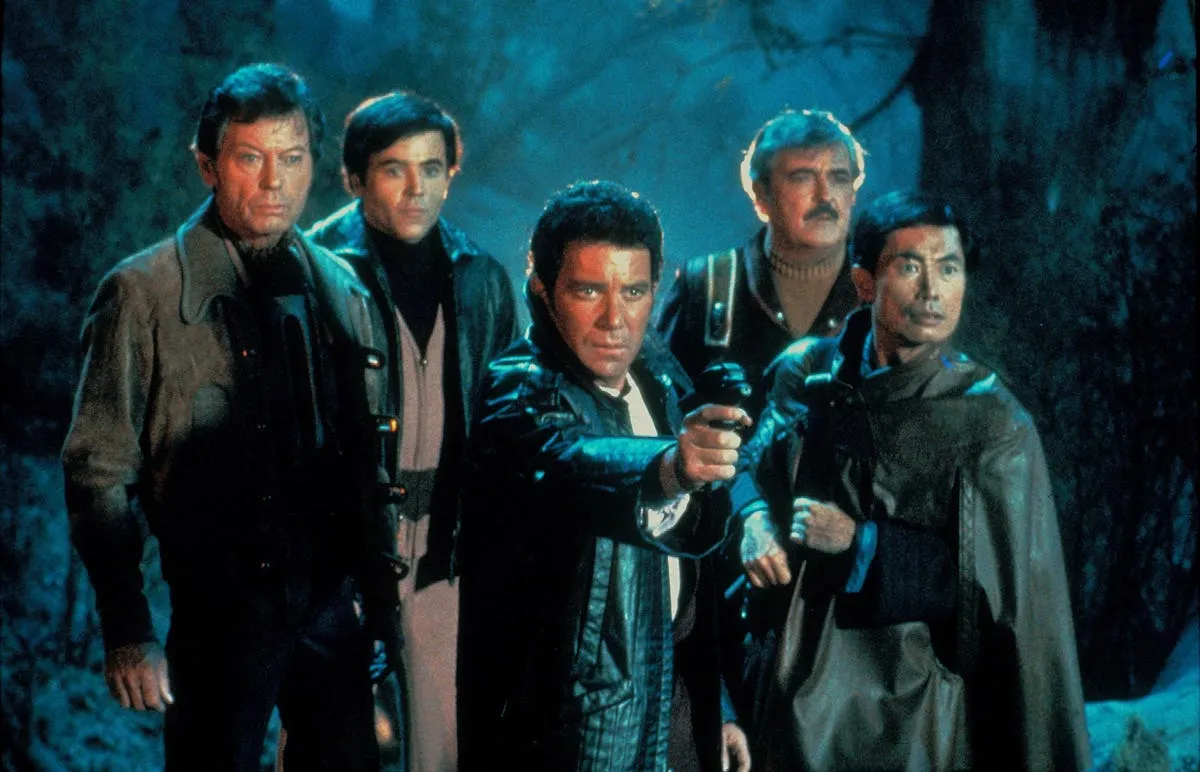
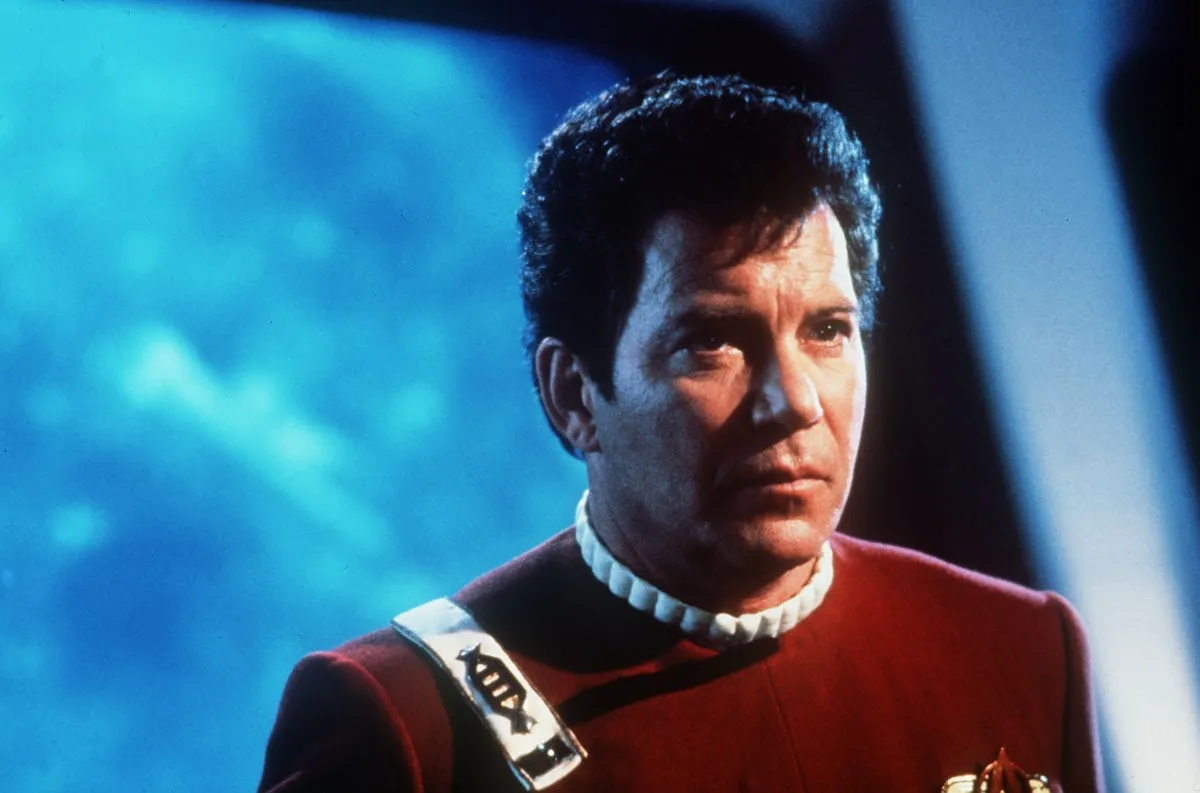
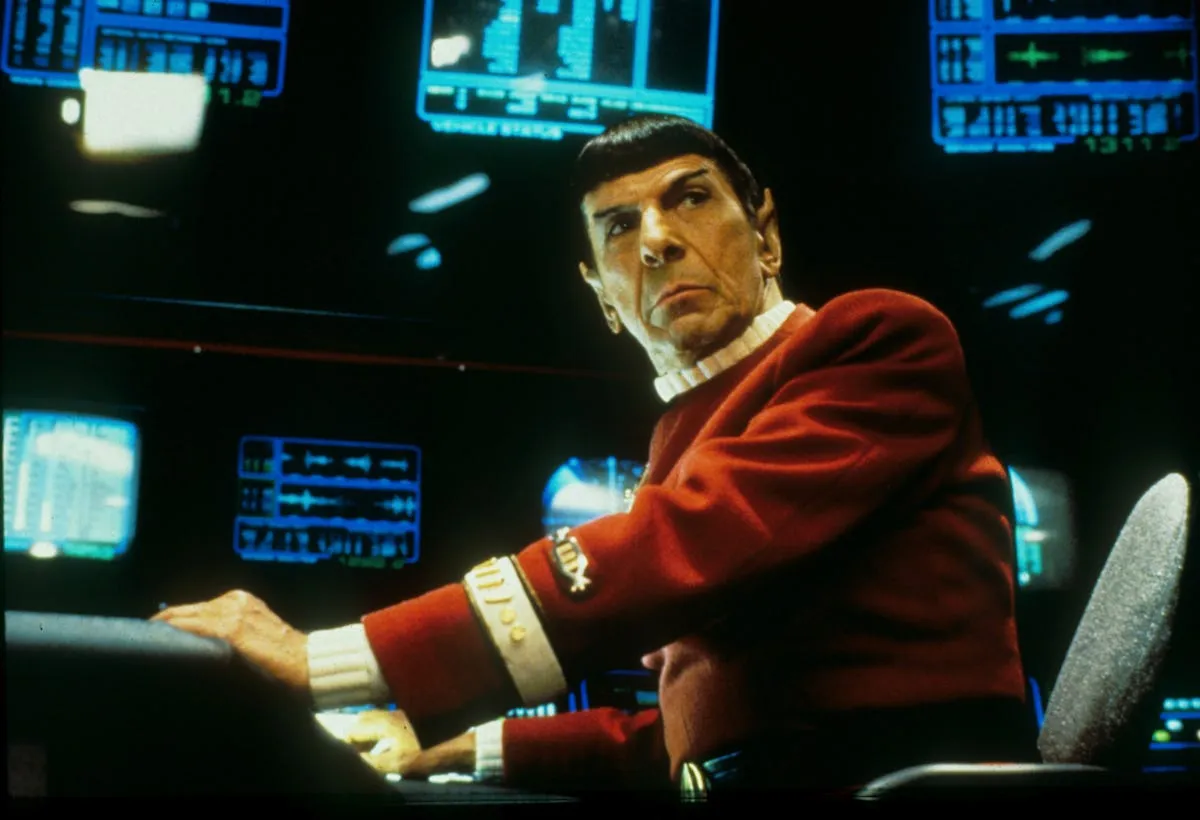
Fan-curated lists fix most of these flaws, if you know where to look. The modified evens-only list cuts the low-rated entries entirely, leaving four consecutive bangers: The Wrath of Khan, The Voyage Home, The Undiscovered Country, and First Contact. It scraps the original even-number rule’s failures for newer entries, cutting the panned Nemesis and Into Darkness entirely. The Genesis Trilogy, made up of II, III and IV, is the only tight, connected three-film arc in the entire franchise, telling a full story about life, mortality and rebirth. For Kirk stans, there’s the seven-film arc covering all six Original Series films plus Generations, with an optional capper of the 2024 short film 765874 – Unification for anyone who wants to cry at the end.
Paramount buries these fan-favorite lists deep in its streaming interface, pushing the full release order front and center. The company’s internal metrics show users spend 30% more time on the platform when they have to scroll through low-rated entries to find the good ones. Longer watch times translate to more ad views for free tier users, and higher retention rates for paid subscribers who stick around to finish their full binge. The company has repeatedly ignored user requests to pin popular curated lists to the top of the Trek hub, prioritizing metrics over user experience. They even list Star Trek Beyond as the 13th core franchise film in the default order, despite it being the third entry in the separate Kelvin timeline canon, to make the slate feel more connected than it actually is.
At the end of the day, you don’t owe Paramount a watch through every bad Trek film just to complete a checklist. If you’re new, start with the Genesis Trilogy for the best possible introduction to the franchise’s core tone and characters. If you want the highlights, go for the modified evens list to get the four most beloved films with zero filler. Skip the default release order entirely unless you’re a completionist who wants to study the franchise’s growing pains over the last five decades.
Author bio: Silas Sterling, veteran kernel contributor, editor-in-chief of an open-source security digest and lifelong Star Trek franchise enthusiast.