(SeaPRwire) – By: Oliver Hawthorne
The transition from page to screen is rarely a seamless one, especially when adapting dense historical texts like George R.R. Martin’s *Fire & Blood*. *House of the Dragon* has consistently navigated this challenge, and its recent Season 3 Episode 2 offers a prime example. The fall of King’s Landing, a pivotal moment, culminates in a surprisingly altered execution of Otto Hightower. This isn’t just a minor plot deviation; it’s a deliberate narrative choice that speaks volumes about character development and the demands of visual storytelling. The showrunners have taken a historical footnote and transformed it into a dramatic crescendo, underscoring Rhaenyra’s evolving psyche.
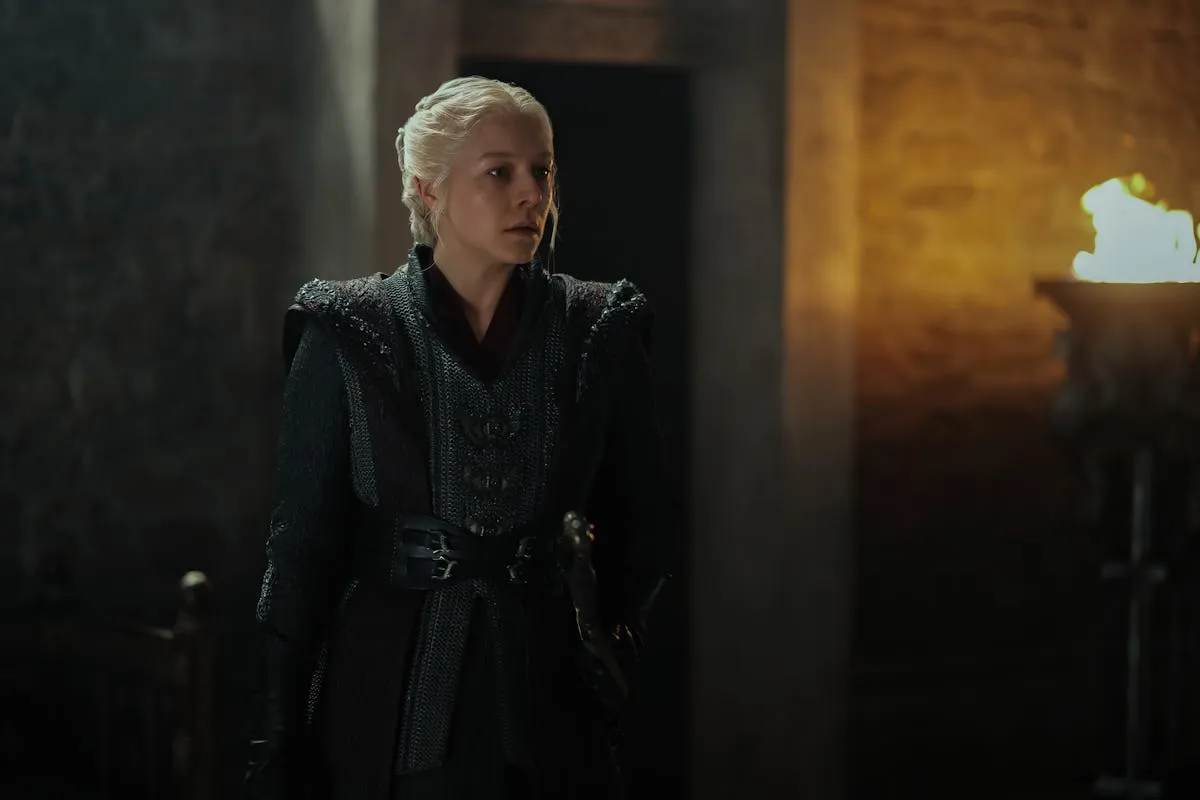
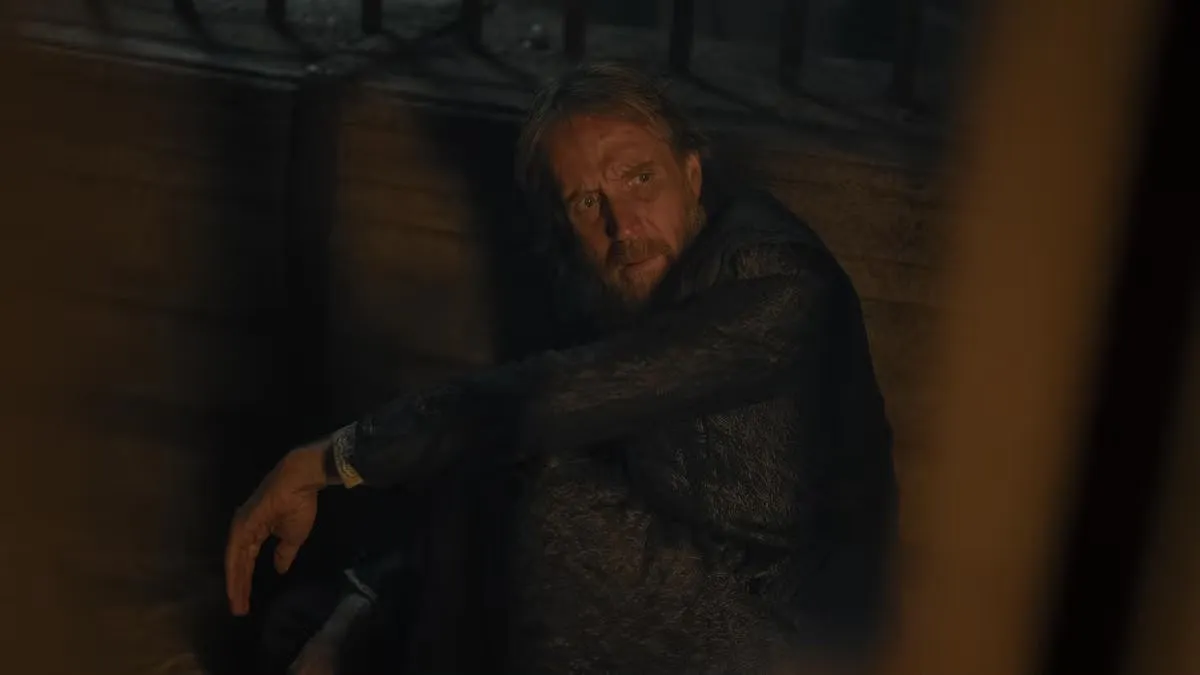
The press release details a specific scene: Rhaenyra, upon taking control of King’s Landing, discovers Otto Hightower in the dungeons. Instead of a formal execution, as might be implied by the source material, Rhaenyra herself wields the sword and beheads him. This is a stark departure from the book’s description, which mentions Otto being “the first to be beheaded” alongside another figure, Ironrod, with the implication of a more procedural, perhaps executioner-led, event. The book’s phrasing, “Ser Otto Hightower… was the first to be beheaded,” suggests a historical record, not necessarily a personal act of vengeance. The mention of a “block” further reinforces the idea of a formal, state-sanctioned execution, rather than a spontaneous act of rage or justice.
This alteration is crucial for the show’s narrative arc. *Fire & Blood* functions as a history book, where major characters can meet their end with a sentence or two. For a visual medium like television, such an anticlimactic demise for a character as significant as Otto Hightower would feel like a narrative letdown. The showrunners understood this. By having Rhaenyra personally deliver the fatal blow, they imbue the moment with immense emotional weight. It transforms Otto’s death from a mere historical event into a deeply personal act for Rhaenyra, directly linked to her grief over her son’s death and her burgeoning role as a vengeful leader. This is not the strategic Rhaenyra who navigated court politics or the grieving mother who endured immense loss; this is a Rhaenyra forged in the fires of war and personal tragedy, capable of decisive, brutal action.
The commercial loop here is clear: the adaptation must serve the dramatic needs of the screen. While the book provides the factual skeleton, the show must flesh it out with emotional resonance and character progression. Otto Hightower’s execution, as depicted in the show, serves as a powerful catalyst for Rhaenyra’s transformation. It’s a visual representation of her hardening resolve and her descent into the darker aspects of leadership. This change isn’t about disrespecting the source material; it’s about understanding the fundamental differences between reading history and witnessing it unfold. The showrunners have prioritized character evolution over strict textual fidelity, a decision that ultimately strengthens the narrative and deepens audience engagement with Rhaenyra’s complex journey.
Author bio: Oliver Hawthorne, a Principal Correspondent permanently stationed at an international technology review, offers sharp, analytical insights into the evolving media landscape.