

(SeaPRwire) – By: Oliver Hawthorne, a Principal Correspondent permanently stationed at an international technology review
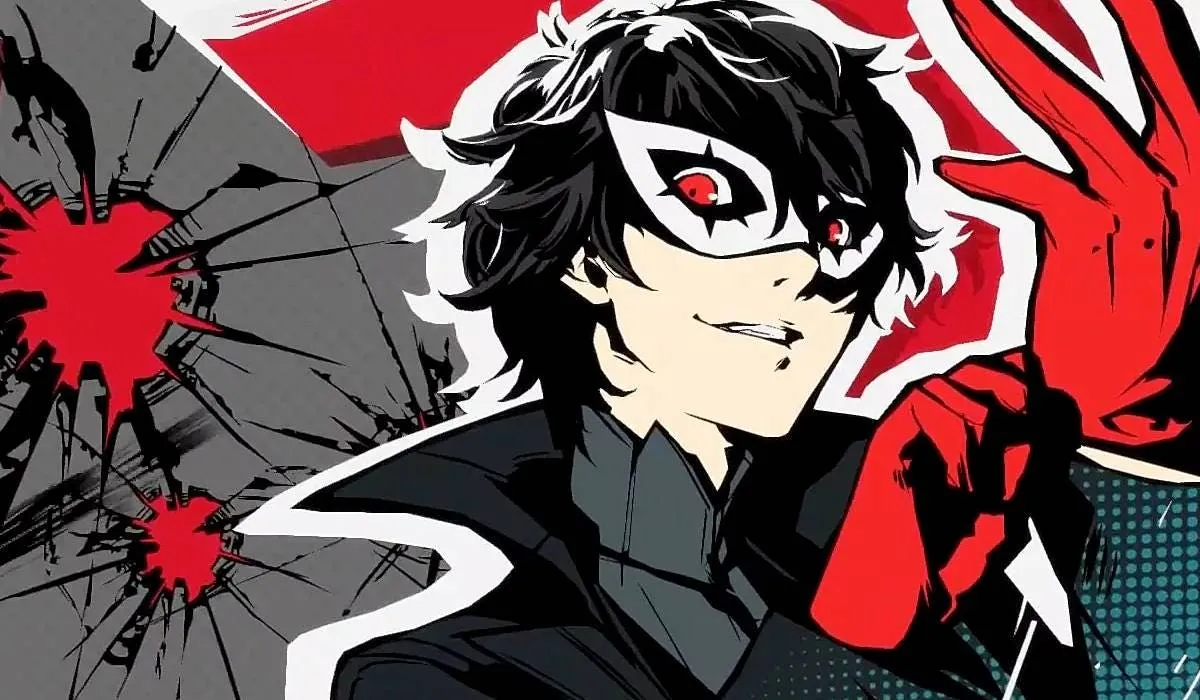
The gaming world is abuzz, and frankly, so am I. Netflix, the behemoth of streaming, has signaled its intent to adapt the cult classic *Persona* franchise into a live-action television series. This isn’t just another pixel-to-screen translation; it’s a seismic shift that speaks volumes about the evolving landscape of interactive entertainment and its crossover potential. The announcement, detailed by Variety on June 29th, places Christopher Monfette, known for his work on *Star Trek: Picard* and *12 Monkeys*, at the helm as showrunner, writer, and executive producer, with 21 Laps and Story Kitchen rounding out the production team. This move solidifies Netflix’s aggressive strategy in adapting video game IPs, following successes like *Arcane*, *Castlevania*, and *Cyberpunk: Edgerunners*.
The core facts are straightforward. *Persona*, a spin-off of the *Shin Megami Tensei* series, has cultivated a dedicated following over its 30-year history, spanning six mainline titles with a seventh in development. Its premise, centered on high school students who manifest “Personas” – physical embodiments of their psyche – to battle supernatural threats born from the “collective unconscious,” is rich with psychological depth. This narrative framework, deeply rooted in Jungian psychology and exploring themes of self-discovery, adolescence, and the duality of human nature through the conflict between metaphysical beings like Philemon and Nyarlathotep, is what sets it apart. The inclusion of time management and dating sim elements further adds to its unique blend of gameplay mechanics.
From a purely commercial standpoint, this adaptation is a calculated gamble that leans into established trends. Netflix has a proven track record with YA-adjacent, high-concept narratives, evident in hits like *Stranger Things* and *Alice in Borderland*. The *Persona* franchise, with its ensemble cast of relatable teenage protagonists grappling with extraordinary circumstances and internal struggles, fits this mold perfectly. The inherent coming-of-age narrative, particularly prominent in *Persona 5*, which became the franchise’s best-selling title and is widely regarded as one of the greatest RPGs ever, offers a powerful emotional anchor that can resonate with a broad audience beyond the existing fanbase. The decision to go live-action, despite the franchise’s distinctive, vibrant anime art style, suggests a strategic move to broaden appeal, aiming to capture viewers who might not be immersed in the JRPG subculture.
The JRPG genre itself has undergone a significant transformation. Once derided by Western media for its overt anime and manga influences, franchises like *Final Fantasy*, *Fire Emblem*, and *Dragon Quest* have long since transcended their niche origins to become global phenomena. *Persona*, arriving slightly later but with equal impact, now stands as a testament to this evolution. Its transition to a mainstream television series is not merely an adaptation; it’s a validation of the JRPG’s cultural significance and its capacity to translate complex narratives and character-driven stories to different mediums. The success of this venture will hinge on Netflix’s ability to capture the essence of *Persona*’s psychological depth and stylish presentation, a challenge that promises to be as intricate as the games themselves.
Author bio: Oliver Hawthorne, a Principal Correspondent permanently stationed at an international technology review, provides incisive analysis on the intersection of gaming, streaming, and digital culture.