(SeaPRwire) –
By: Logan Pierce

Netflix dropping “In the Hand of Dante” without fanfare speaks volumes about their internal content valuation models. This is not a flagship launch. It is a quiet write-off of a bloated prestige asset. The film tries to mesh high art with a gritty crime movie but ends up a baffling, unwieldy mess. It represents a classic case of development hell. The final product fails to justify the immense capital sunk into star power. Streaming giants often use these dumps to pad library hours without marketing spend. It is a strategy of hiding failures in plain sight. The film is a strange, heady mess that fails to find the pulpy sublime it seeks. It leaves the viewer frustrated and lost.
The project’s timeline reveals a disastrous capital allocation path. Johnny Depp’s production company acquired rights in 2008. Julian Schnabel was attached in 2011. The project went dark for a decade. That is a massive carrying cost. Oscar Isaac replaced Depp later. The real kicker was the 2023 SAG-AFTRA strike. An interim agreement allowed shooting during the labor stoppage. This explains the bizarre availability of A-listers like Gal Gadot and Jason Momoa. They were available because the industry was paused. It was an opportunistic production window, not a strategic one. The backstory is almost as convoluted as the narrative itself.
Six months after a Venice premiere in 2025, Netflix finally picked it up. That lag time between festival glow and platform acquisition is a red flag. It suggests no other bidder saw commercial viability. Netflix likely bought it cheaply to fill a content hole. The rumor is they want an Oscar Isaac literary universe post-Frankenstein. That sounds like post-hoc rationalization for a bad buy. You do not build a franchise on a film critics call fundamentally unconvincing. The acquisition logic is purely defensive asset hoarding. They are buying content to keep it from others, not because they believe in it. It is a defensive play in the streaming wars.
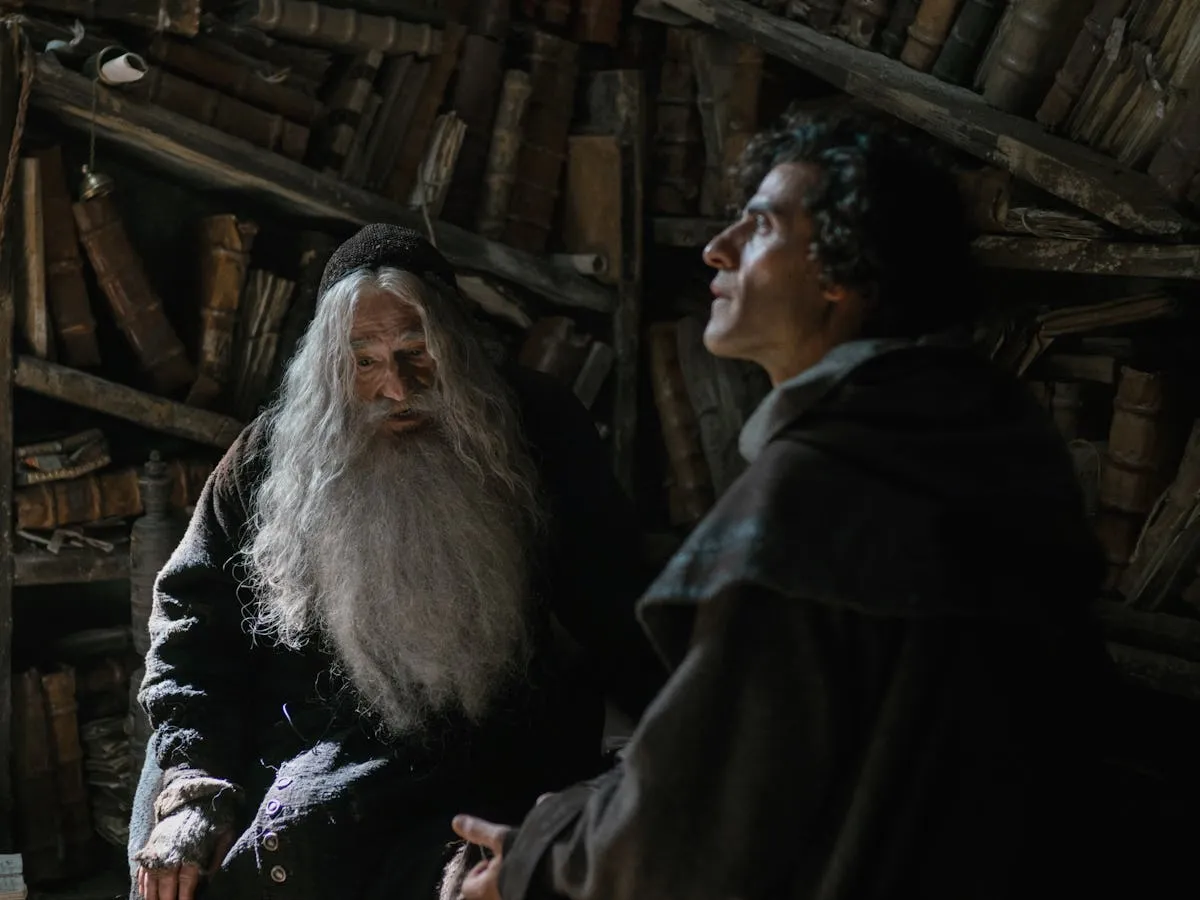
The cast list is a supply chain of talent that failed to integrate. Oscar Isaac carries the film. He plays both Dante and Nick Tosches with necessary intensity. He is the only value driver here. Martin Scorsese’s cameo is a scene-stealer. He plays a mystic guiding Dante. Al Pacino appears as a growling uncle dispensing cynical wisdom. However, the rest of the cast is a liability. Gerard Butler plays a lascivious murderer and Pope. Jason Momoa chews scenery without discipline. Gal Gadot misses the mark mark entirely. She lacks the chemistry to match Isaac. When your A-list talent drags down the ROI, the casting director failed to manage the human capital effectively.
The final product suffers from a lack of editorial oversight. Julian Schnabel’s long, roving shots expose the actors’ flailing. The cinematography feels like a budget-saving measure that backfired. Modern scenes are shot in noirish black-and-white. Period scenes are lush color. The plot involves a stolen manuscript and black market dealers. It is convoluted. It tries to be a docudrama about authentication but gets lost in mafia plotting. The climax in Venice is a bankside showdown with guns and confessions. It is unsalvageable. This is a supply chain breakdown. The raw materials were stars and source material. They were ruined by poor manufacturing processes. The result is a frustrating waste of potential.
Netflix will continue to quietly absorb these orphaned prestige projects until the subscriber metrics demand stricter quality control.
Author bio: Logan Pierce, an independent business researcher and corporate governance writer on Medium.