

(SeaPRwire) – By: Oliver Hawthorne
The core anxiety gripping Hollywood’s streaming adaptation machine is no longer just about fan backlash. It’s about the commercial viability of a protagonist whose foundational ethos is at odds with modern, binge-driven narrative demands. Netflix’s second season of *Avatar: The Last Airbender* exposes this tension in its rawest form. The showrunners, Jabbar Raisani and Christine Boylan, have executed a surgical rewrite of the original cartoon’s climax not for creative flourish, but to retrofit Aang’s pacifism into a more palatable, less spiritually complex hero for a global platform. This isn’t adaptation. It’s a deliberate recalibration of a character’s core conflict to fit a different commercial loop, one that prioritizes clear, season-to-season character arcs over the original’s nuanced spiritual journey. The gamble is that a simplified Aang can attract a broader, less patient audience, but the risk is severing the emotional spine that made the IP valuable in the first place.
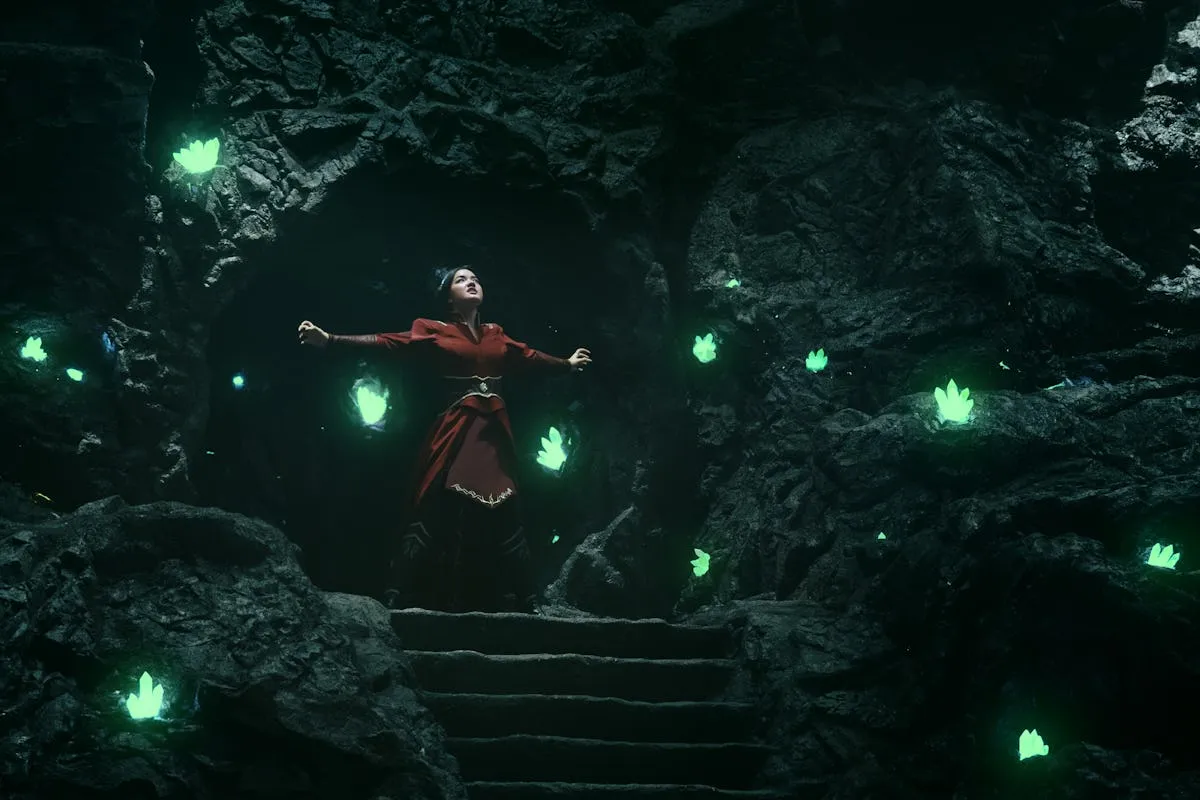
The official facts are clear. Season 2 adapts key plot points: Aang (Gordon Cormier) masters earthbending in Ba Sing Se, confronts Princess Azula (Elizabeth Yu), and unlocks the Avatar State. The finale, “Something Broken,” sees him channel this power to attack Azula, Zuko (Dallas Liu), and Earth Kingdom traitors. Crucially, he hesitates before delivering a killing blow. Azula then strikes him with lightning in the chest. Showrunner Raisani told *Inverse* this change “didn’t feel sacrilegious” and was meant to reinforce Aang’s “respect for all life.” The season ends with Aang critically wounded, saved by Katara’s (Kiawentiio) spirit water, his survival uncertain. These are the documented events of the release.
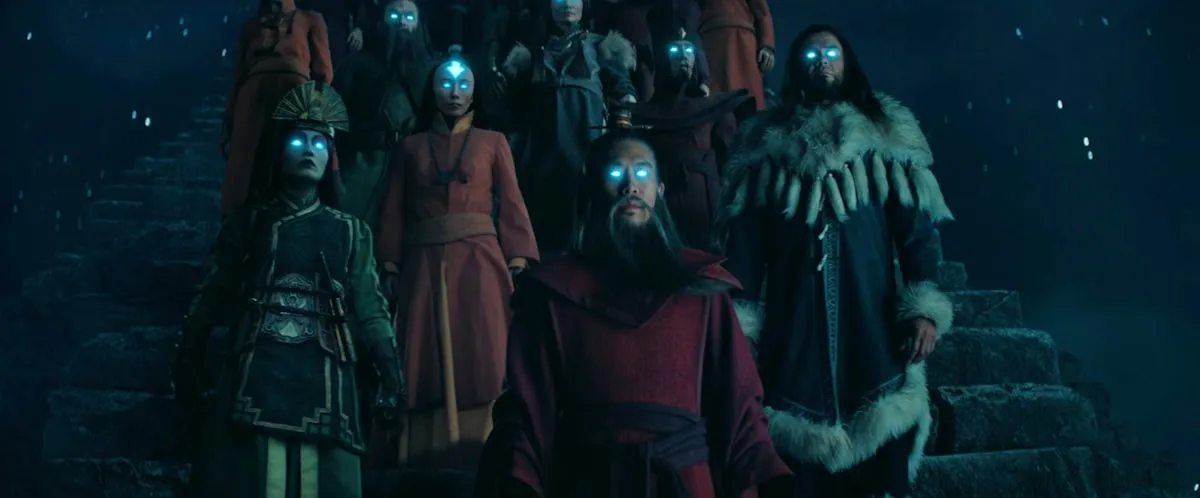
The industry subtext, however, reveals a starkly different production calculus. The original series devoted immense time to Aang’s spiritual blockade. He grappled with grief, fear of hurting loved ones, and attachment to Katara, requiring guidance from Guru Pathik. Netflix’s version strips this entire psychological and spiritual architecture. It reduces the Avatar State’s activation from an internal, hard-won triumph to an external, pressure-induced reaction. The change in Azula’s strike—from a cunning, preemptive shot in the back to a retaliatory blow after Aang’s hesitation—is not a narrative detail. It is a fundamental re-engineering of the scene’s moral physics. The original punished Aang for a moment of unprotected power. The remake rewards his pacifism with narrative sympathy before punishing him. This manufactures a clearer, more linear “lesson” about the cost of mercy, a theme easier to track across a season that has already simplified his internal struggles.
The commercial end-game here is transparent. Netflix is not in the business of selling slow-burn spiritual enlightenment. It is in the business of manufacturing digestible, high-stakes seasons that reduce churn and maximize viewership. A hero paralyzed by spiritual nuance is a liability in this model. By making Aang’s climax about a definitive choice (to not kill) rather than a complex spiritual failure, the series creates a simpler, more heroic throughline. It transforms the IP from a tale of spiritual maturation into a more conventional superhero saga about power and restraint. The ultimate deduction is that Season 3’s showdown with Fire Lord Ozai (Daniel Dae Kim) will likely follow this new blueprint. It will prioritize a clear, action-driven moral dilemma over the original’s intricate resolution involving energybending and non-lethal victory. The industry is watching. If this softer, streamlined Avatar drives subscriber metrics and completion rates, it will become the new playbook for adapting any “problematic” classic hero, proving that in the streaming economy, character complexity is just another variable to be optimized for margin.
Author bio: Oliver Hawthorne, a Principal Correspondent permanently stationed at an international technology review, specializing in the economic and strategic drivers behind major media and platform content decisions.