
(SeaPRwire) – By: Robert Kensington
Remaking a Studio Ghibli classic is a bold move. The original film is visually perfect. It has a unique alchemy. You cannot replicate that style easily. The characters move with a hypnotic bent. Nature is depicted beautifully. It makes the idea of a remake feel unnecessary. Studios keep trying regardless. They see value in the IP. They ignore the artistic sanctity. The market demands content though. Old classics are safe bets. This new project risks a lot. It might fail to capture the magic. The potential reward is too high to ignore.
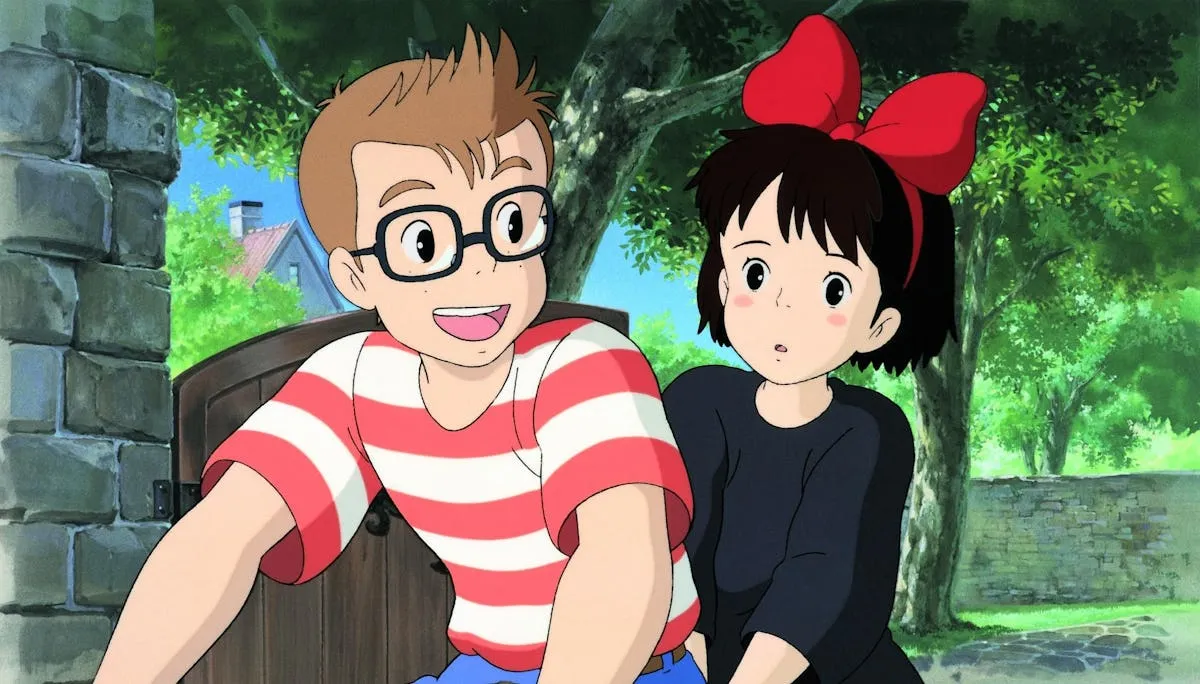
BBC Studios is leading the charge. They partnered with Wheel in Motion. Kadokawa Corporation is involved too. They are adapting the novel. Not the movie. Eiko Kadono wrote the books. There are eight of them. The show will have ten episodes. Irena Brignull is writing it. She worked on *The Boxtrolls*. This is a strategic move. They are mining the source material. They want to avoid direct comparison. They are targeting an English-speaking audience. The first season covers the first book. It follows a year in the heroine’s life. Kiki must prove she can live independently. She settles in Koriko with her cat Jiji.
The official line is clear. They want to tell the story again. The real intent is different. It is about asset utilization. Kadokawa owns the rights. BBC needs library content. This deal leverages existing IP. It reduces development risk. The story structure helps. The novel has eleven chapters. Each chapter is a problem. It fits the TV format perfectly. They are building a franchise. They hope for international syndication. The 2014 live-action film already proved the concept works. Now they are expanding the scope. They are betting on the brand recognition.
This is a play for market share. Streaming wars need ammunition. Nostalgia sells well. BBC is betting on familiar characters. They want a slice of the anime pie. It will not replace Miyazaki. It will likely find its own niche. The commercial logic is sound. The artistic risk is high. If they succeed, they unlock a valuable catalog. If they fail, they damage a beloved legacy. It is a classic business gamble.
Author bio: Robert Kensington, an overseas entrepreneurial veteran with decades of experience in real-economy industrial investment and expansion.