
(SeaPRwire) – By: Ethan Gallagher
John Carpenter, a name that resonates with innovation and boundary-pushing in the world of cinema. His filmography is a treasure trove of diverse genres, from the spine-chilling slasher of “Halloween” to the mind-bending body horror of “The Thing.” Yet, amidst this remarkable collection, “Escape from New York” stands out as a truly unique gem.
Released 45 years ago, this fast-paced sci-fi action epic has left an indelible mark on the modern post-apocalyptic genre. It’s a film that perfectly captures the essence of the 1980s, with its synthesizer-forward score, heavy-handed dialogue, and eye-catching array of costumes. But these elements, which might seem hokey by contemporary standards, actually enhance the viewing experience, pulling audiences into Carpenter’s meticulously crafted dystopian universe.
In this world, crime has spiraled out of control, leading the United States to transform Manhattan into a maximum-security prison. By 1997, the once-great city is a dilapidated shell, overrun by gangs, criminals, and other unsavory characters. It’s a place where the worst of the worst thrive, and survival is a daily struggle.
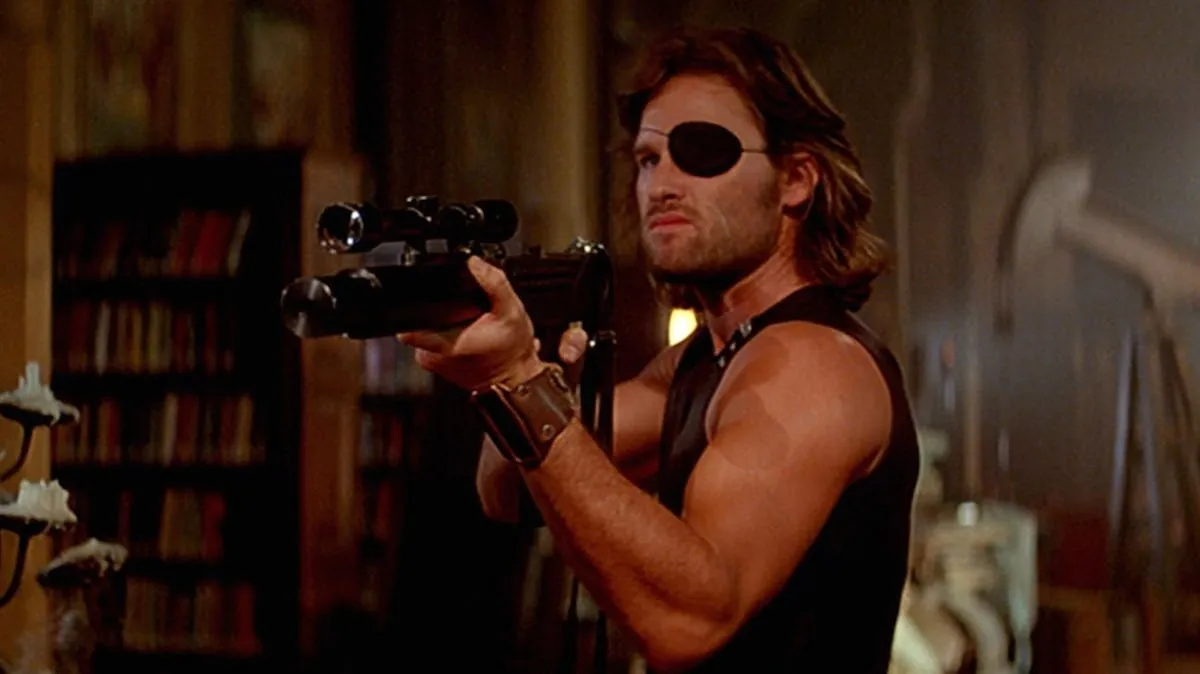
Into this hellish landscape comes the president of the United States, crash-landed after Air Force One is hijacked. With time running out, New York police commissioner Bob Hauk reluctantly turns to former Special Forces operative Snake Plissken, a professional criminal, to rescue the commander-in-chief and escape the city.
What makes “Escape from New York” so special is Carpenter’s attention to detail. He builds the world of the film with thoughtful nuances, often through seemingly irrelevant bits of dialogue. For example, the initial meeting between Snake and Hauk reveals details about Snake’s past, including his tenure in the “Black Light” Special Forces Unit, his service in Siberia, and his stealthy Gullfire flight mission over Leningrad. These details not only give depth to the characters but also add richness to the world Carpenter has created.
The film’s minimal use of exposition allows the audience to piece together the story and the world on their own. Carpenter doesn’t spoon-feed information but instead invites viewers to engage with the narrative actively. This approach makes the viewing experience more immersive and rewarding, as we become invested in the characters and their struggles.
Compared to other dystopian works of its time, such as the influential “Mad Max” franchise, “Escape from New York” carves its own path. Carpenter creates a distinct canon, one where the universe feels lived-in and full of history. The dilapidated ruins of Manhattan, the mono-colored facilities of the New York Police Department, and the various characters that inhabit this world all contribute to the film’s unique charm.
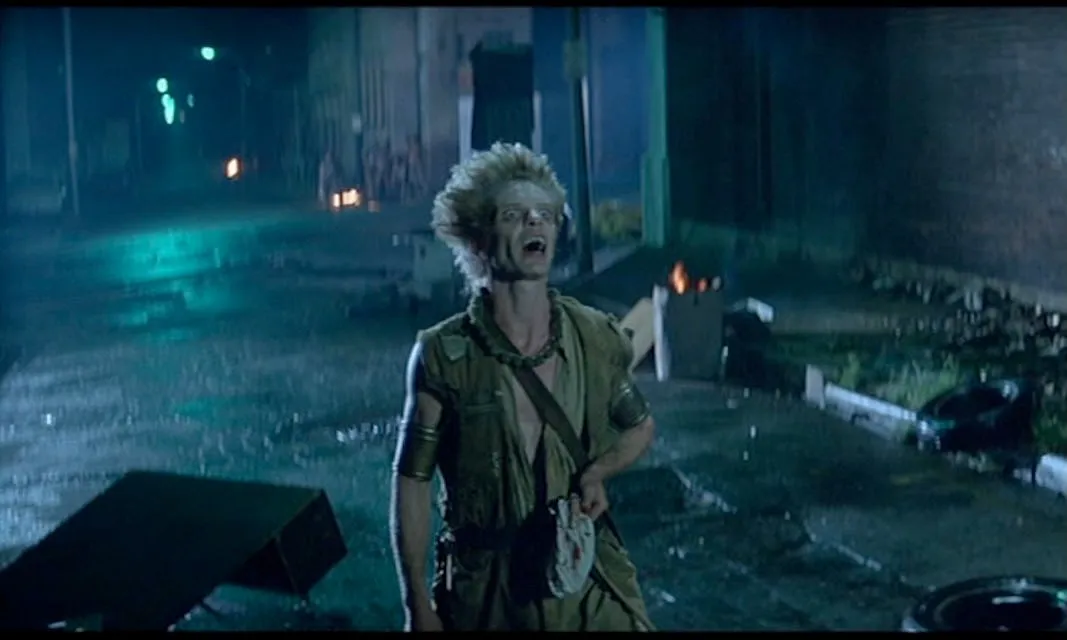
The converted Grand Central Terminal used for gladiatorial fights and the cannibalistic “Crazies” who dwell in the city’s subway system are just a few examples of the vividly imagined details that make this world come alive. These elements, along with the carefully crafted characters and their backstories, make “Escape from New York” a landmark entry in the dystopian genre.
Even after 45 years, the film continues to captivate audiences. It’s a beloved cult classic that people flock to again and again, drawn by its eccentric characters, gritty action, and foreboding portrayal of an authoritarian America. Its ahead-of-its-time world-building and meticulous attention to detail ensure that it remains relevant and engaging, a true testament to Carpenter’s visionary talent.
Author bio: Ethan Gallagher, a Silicon Valley Hardware Architect and Infrastructure Strategist with a passion for dissecting the impact of iconic films on pop culture and technology.