
(SeaPRwire) – By: Lucas Caldwell
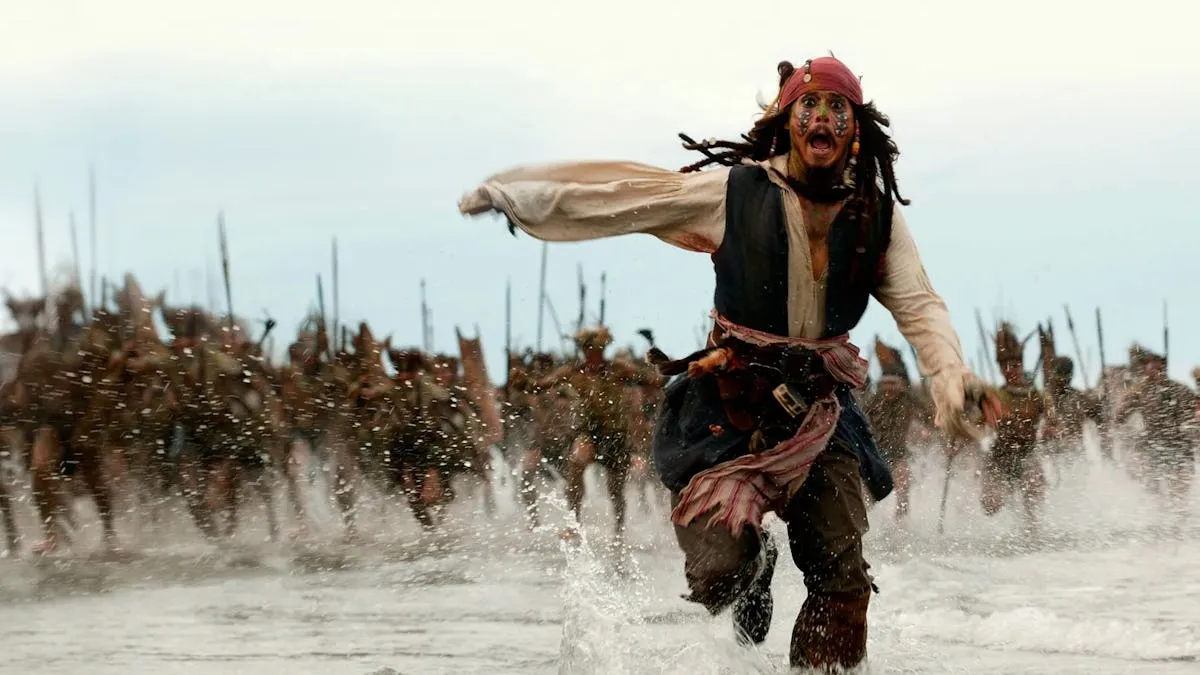
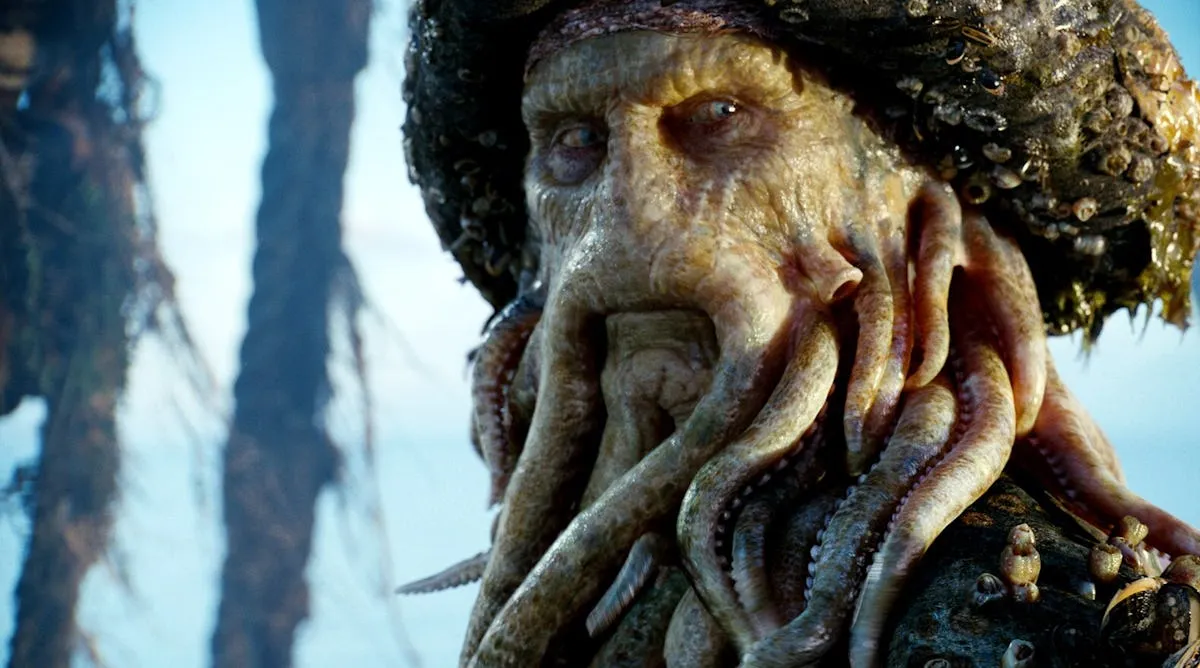
Twenty years ago, Pirates of the Caribbean: Dead Man’s Chest didn’t just break summer box office records. It redefined what a modern blockbuster could be. For a brief, shining moment, it brought the classic adventure film back from the brink of obscurity. Then it set in motion the chain of events that would turn that beloved genre into a fading relic. Most casual fans remember the menacing Kraken, the tense three-way sword fight, and Bill Nighy’s unforgettable performance as Davy Jones. But the real legacy of this movie is far more complicated than anyone expected back in 2006.
The original Pirates of the Caribbean: The Curse of the Black Pearl launched in 2003. Disney had hesitated to greenlight a film based on its theme park ride. It ended up grossing $654 million on a $140 million budget. The studio quickly locked in the cast and crew for back-to-back sequels, modeled after the Matrix trilogy. Dead Man’s Chest was the first of those two sequels. It followed Jack Sparrow, Elizabeth Swann, and Will Turner as they raced to claim control of the Flying Dutchman and its cursed captain Davy Jones.
Screenwriters Ted Elliott and Terry Rossio studied classic sequels like The Empire Strikes Back and T2: Judgment Day for their work. They didn’t just retread the first film’s plot. They added layered stakes, with Elizabeth and Will arrested by the East India Trading Company in the opening 10 minutes. The movie’s plot relied on shifting alliances and constant betrayals. It mixed groundbreaking digital effects with practical set work. It was only Gore Verbinski’s second major studio blockbuster film.
Back in 2006, the classic adventure film was already losing its box office dominance. Superhero films hadn’t fully taken over the mainstream yet. But Dead Man’s Chest proved that big-budget IP adaptations could print massive profits. It showed studios that overstuffed, lore-heavy sequels could draw consistent crowds. Hollywood executives took immediate note. They started shifting their budgets away from original adventure stories and toward safe, proven IP franchises.
The movie’s technical innovations also set a new bar for blockbuster filmmaking. The combination of practical set destruction and cutting-edge CGI created tangible, visceral thrills. But this new standard came with a steep cost. Studios now needed ever-larger budgets to compete with the visual spectacle of Dead Man’s Chest. They stopped taking risks on original, small-scale adventure films. Instead, they doubled down on shared universes and IP reboots, exactly the landscape we see in Hollywood today.
Until Hollywood studios abandon their obsession with safe, overstuffed IP, the classic adventure film will remain a distant, fondly remembered memory.
Author bio: Lucas Caldwell, a tech and media industry analyst with a large social media following focused on Hollywood’s creative and industrial shifts.