(SeaPRwire) –
By: Lucas Caldwell
House of the Dragon was supposed to be the redemptive successor to Game of Thrones, ditching its predecessor’s overreliance on sexual assault as lazy storytelling shorthand. But Season 3 Episode 2 throws that promise out the window, using the same tired trope to frame a minor character as irredeemable. Long gaps between seasons force the show to play catch-up with forgotten figures like Lord Jasper Wylde, but this is a cheap, exploitative way to do it.

Alicent Hightower is walking a tightrope this season. She struck a secret deal with Rhaenyra Targaryen at the end of Season 2, surrendering King’s Landing and agreeing to her son Aegon II’s demise to let the rightful queen take the Iron Throne. If anyone finds out, she’ll hang for treason. Lord Jasper Wylde, Master of Laws on Aegon’s council, suspects her betrayal. He confronts her in her chambers, accuses her of treason, and promptly tries to force himself on her, citing her past affair with Criston Cole—though how he knows about that is never explained.
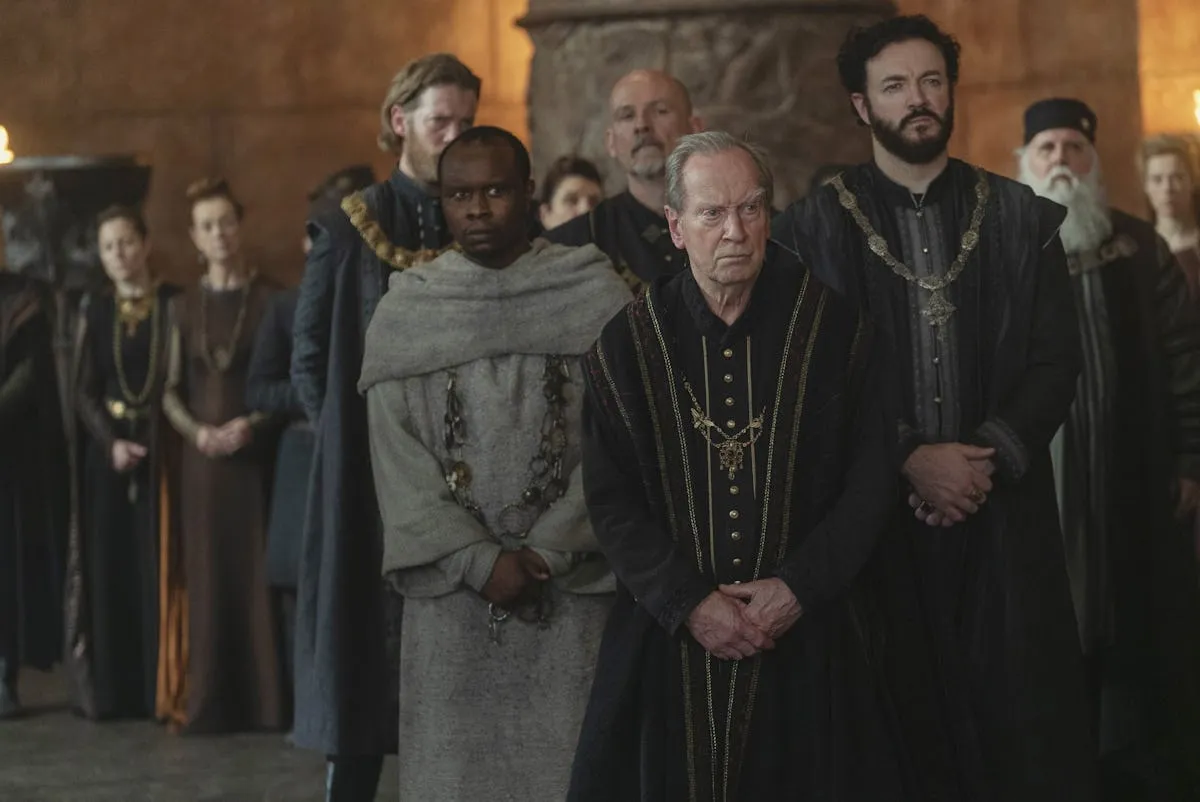
The assault has no clear narrative motivation. Is Jasper trying to blackmail Alicent into silence with a sexual favor? Does he think her treason strips her of royal protections? The show never says. It’s just a quick way to make him a villain so audiences cheer when Rhaenyra and Daemon storm the castle and kill him. This is doubly cruel to Alicent, who already endured a nonconsensual kiss from her son Aemond in the previous episode, turning her into a repeated target of sexual humiliation.
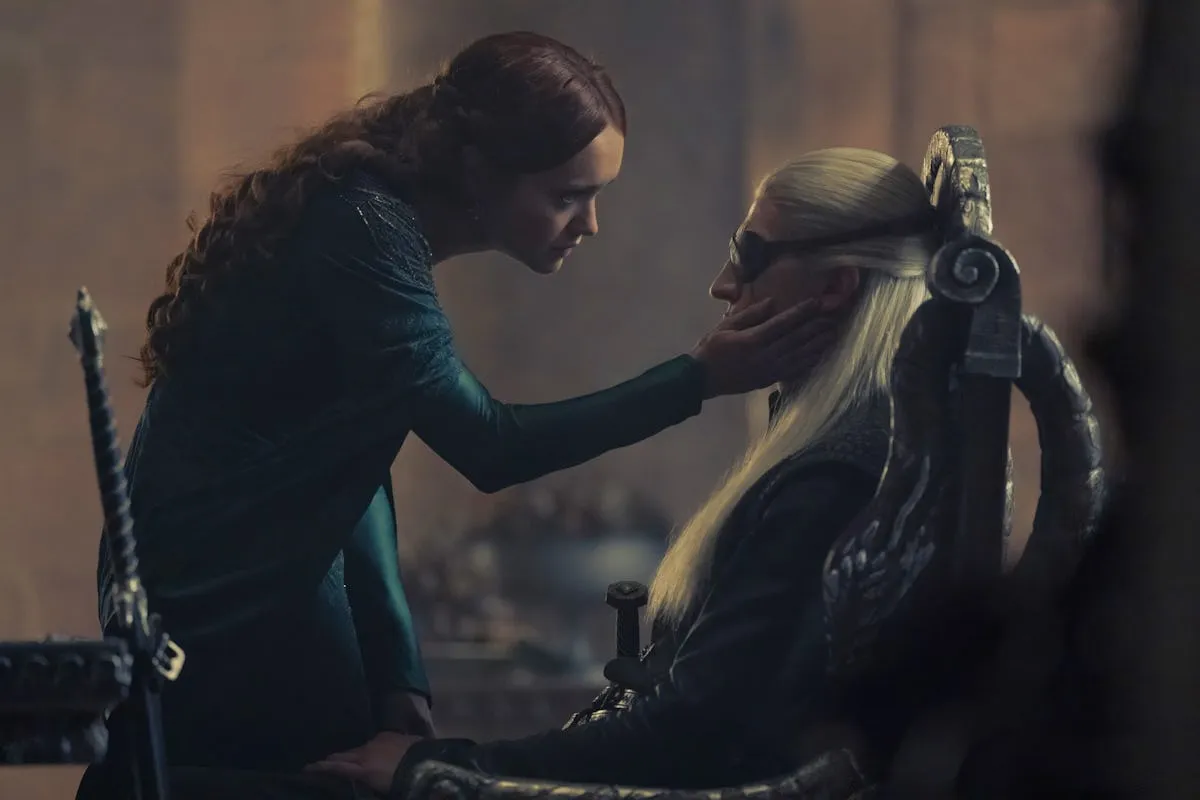
Streaming’s pressure to retain viewers amid long production gaps is likely driving this lazy writing. Shows need to re-engage audiences quickly, so creators reach for the most visceral, easy-to-understand tropes. Game of Thrones’ infamous “sexposition” was a product of this same rush, using sex and assault to convey stakes without nuance. House of the Dragon initially avoided this, tackling medieval misogyny through complex character dynamics instead of exploitation.
But audiences don’t need sexual assault to know a character is bad. We could have seen Jasper’s cruelty through his rigid obsession with “justice,” his willingness to target a vulnerable queen dowager, or his blind loyalty to a corrupt king. The show’s refusal to put in that work is a slap in the face to viewers who valued its mature, thoughtful approach to Westeros’ brutal world. It reduces a potentially layered character to a one-note villain, wasting the chance to add depth to the Dance of Dragons.
If House of the Dragon keeps leaning on cheap, exploitative tropes to shortcut character development, it will lose the loyal fanbase that saw it as a worthy successor to Game of Thrones.

Author bio: Lucas Caldwell, a tech opinion leader with millions of followers on X/Twitter, covers streaming media trends and narrative integrity in digital content.