(SeaPRwire) –
By: Silas Sterling
Spoilers for House of the Dragon Season 3 Episode 3, “Rhaenyra Triumphant” follow below.
The final scene of House of the Dragon Season 3 Episode 3 cut to black. The book reader discords I lurk in blew up instantly. No one was celebrating Rhaenyra’s hard-won hold on King’s Landing. Everyone was typing in all caps about Tumbleton. HBO’s marketing team spent weeks teasing “faithful, brutal dragon battle sequences” for this season. They dropped stills of outstretched dragon wings, teased castings for key Tumbleton players. They leaned hard into book fan nostalgia to lock in early viewership. That hype was always a bait and switch.
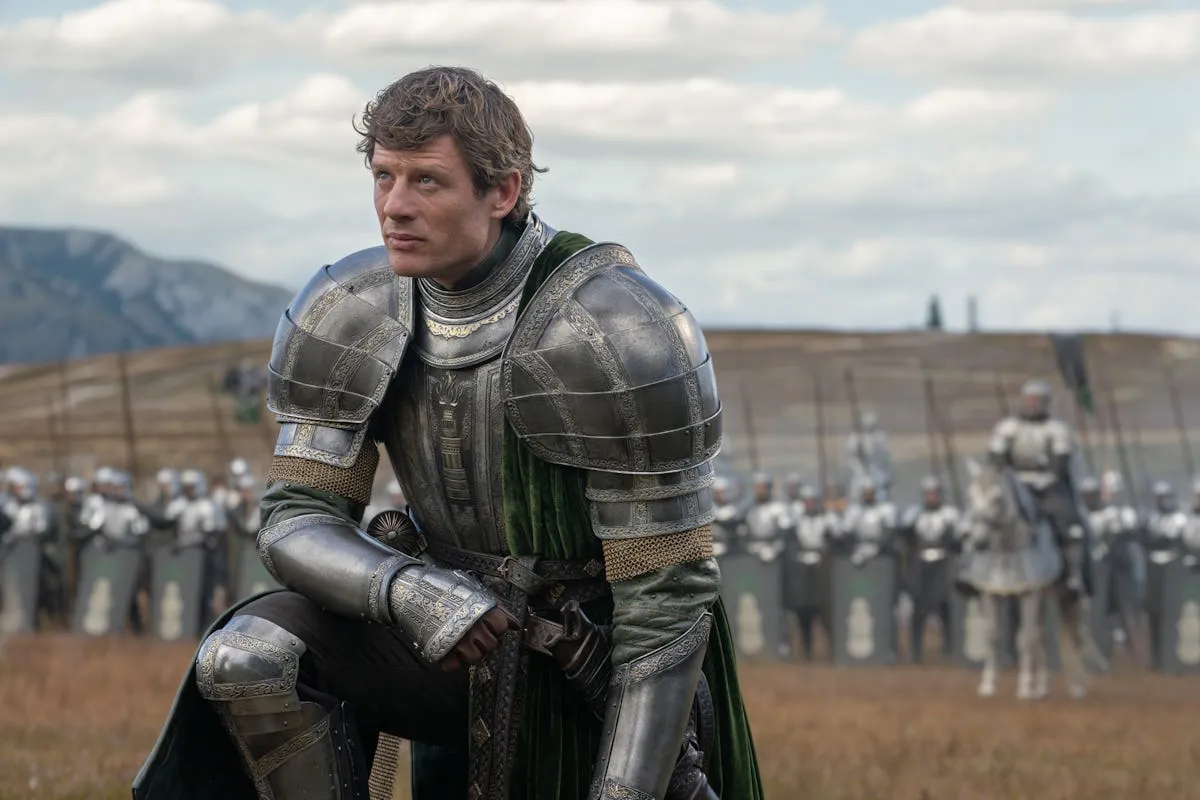
Westeros is a sprawling realm. Even long-time Game of Thrones fans cannot name every town that shapes the story. Major landmarks like Winterfell, King’s Landing, and The Wall get top billing in opening credits. Smaller holds like Pennytree, Acorn Hall, or the Stepstones often slip past even dedicated viewers. It makes sense that many fans were confused when Tumbleton took center stage in the episode’s final beat. Even readers deeply familiar with the town were caught off guard. The town is not supposed to factor into the plot for many more episodes. Tumbleton first gets a throwaway line mid-episode, from Hugh Hammer. He tells Rhaenyra his wife fled the capital to stay with her brother there. She sought safety from King’s Landing’s spiraling chaos. The town gets no establishing shots, no sweeping map callout, no build-up as a strategic stronghold. It only returns in the episode’s final minutes. A shaken dragon keeper stumbles through the gates, speaking High Valyrian to deliver the news. Hightower forces have sacked the town, taken its people hostage, seized a young dragon held within its walls. He is the sole survivor of the garrison.

In the source text Fire & Blood, this event does not land at this point in the timeline. The First Battle of Tumbleton unfolds much later in the Dance of the Dragons. It is a deliberate, large-scale set piece, not a quick offscreen sacking delivered via one breathless messenger. The changes run far deeper than a shifted timeline. In Fire & Blood, the First Battle of Tumbleton centers Daeron Targaryen, Alicent’s youngest son, riding his dragon Tessarion. The fight unfolds after a Daeron decoy is sent to King’s Landing as a prisoner. That ruse lets the real Daeron move freely to join the Greens’ assault. The book’s battle hinges on two key Black allies betraying their side to defect. That treachery is what hands the Hightowers their decisive win. The episode gives no confirmation Daeron was even present for this sacking. The show’s established timeline so far makes that famous double betrayal logistically impossible. The writers skipped the entire battle entirely, only showing its immediate aftermath. That is not a small tweak. It is the equivalent of ripping a core functional module out of a mature codebase. The move cuts down significantly on runtime production load. Some viewers have guessed the creative choice is a deliberate build-up. The offscreen sacking could clear space for a later, more brutal set piece. That set piece would give the double betrayal and Daeron’s unmasking more room to land.

Long-time genre fans have seen this exact play before. When a streaming service cuts a big, VFX-heavy battle to offscreen exposition, it is never just a creative choice. Large-scale dragon battle sequences for this franchise carry massive production costs. They require months of post-production, hundreds of VFX artist hours, complex location shoots and stunt coordination. Offloading that beat to a 90-second messenger monologue cuts those costs dramatically. It also creates a ready-made string of cliffhangers to pull viewers through the rest of the season. Fans will keep tuning in week after week. They will wait for Daeron’s real introduction, for that promised betrayal beat. They will wait for the big dragon fight sold in pre-season trailers. The approach lets HBO stretch its existing IP across more episodes. It avoids pouring extra budget into standalone set pieces that don’t move long-term retention metrics. House of the Dragon Season 3 is now streaming on HBO Max.
The fans who pored over Fire & Blood for years built this franchise. They turned a niche fantasy book series into a global cultural juggernaut. They are not the customer here. They are just the marketing hook to draw in casual viewers. Those casual viewers keep their subscriptions active month over month, regardless of deep lore cuts. The Tumbleton change is not a bold creative reimagining. It is a reminder of a simple, frustrating truth. When you build community around a corporate-owned IP, you never get a vote. You have no say in how it gets chopped up to hit quarterly retention targets.
Author bio: Silas Sterling, veteran kernel contributor and editor-in-chief of an independent open-source security digest, covers streaming IP dynamics and fan community tradeoffs for genre audiences.