

(SeaPRwire) – By: Robert Kensington
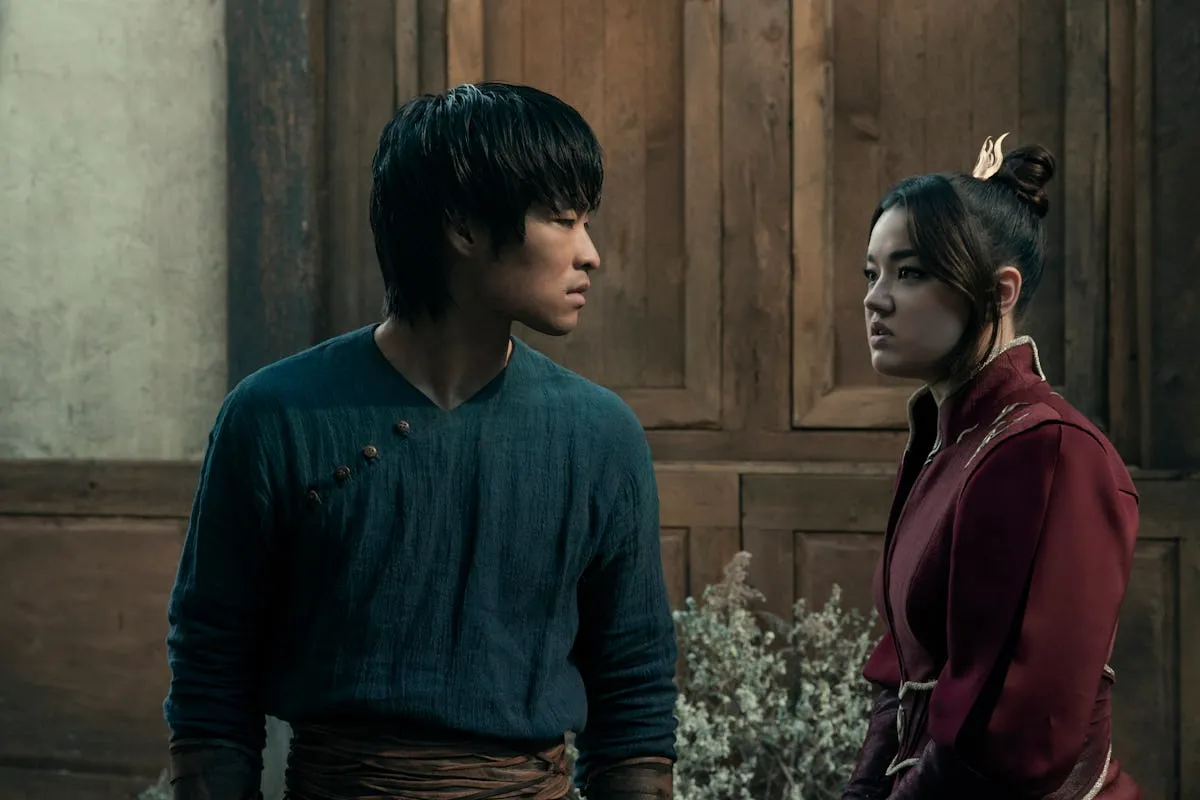
Casting a live-action Zuko is a minefield. Dallas Liu isn’t just acting; he is carrying a torch. The pressure is immense. It is not merely about martial arts; it is about emotional resonance. The industry is watching closely to see if he can survive the legacy of a beloved animated icon. The weight of expectation is a physical burden that few young actors can shoulder. The “zillennial” connection he shares with the character adds another layer of complexity. He is not just a hired gun; he is a fan who grew up wanting to be the Avatar. This personal investment creates a volatile mix of passion and performance anxiety that defines his tenure on the show.
Liu claims this is a childhood dream. He practiced Shotokan since age five. But look closer. He admits the pressure of Dante Basco and Dev Patel. The industry subtext here is the difficulty of replacing icons. The “freedom” he felt in Seasons 2 and 3 is actually the relief of escaping the shadow of Season 1’s mixed reception. He is not just playing a character; he is performing a delicate balancing act between nostalgia and innovation. The mention of his father as a sparring coach and mother critiquing clips reveals a family business model of preparation that is rare in modern Hollywood. This level of dedication suggests that the role consumed his entire adult life up to this point. The transition from the “mopey antagonist” of Season 1 to the “greatest character in animated history” requires a pivot that few actors can execute without losing their footing.
The press release highlights the “greatest character in animated history” status. Liu used Radiohead to get into the turmoil. He fought for the buzzcut but lost due to continuity. The subtext is the physical toll of embodying a legend. The “cut storylines” he hopes to explore suggest the studio is already editing his performance, limiting his artistic reach. The music choice—Radiohead’s *In Rainbows*—speaks to a darker, more complex internal landscape than the show might allow on screen. The buzzcut detail is a microcosm of the larger production control: he wanted it for continuity, but the team prioritized visual consistency over his specific artistic vision. This highlights the friction between actor agency and studio oversight in high-budget adaptations. The fact that he had to fight for a haircut illustrates the rigid constraints of visual storytelling in a franchise that relies heavily on aesthetic fidelity.
The market for nostalgia remakes is saturated. You can’t just copy the animation; you have to own the soul. If Liu can’t break the cycle of “meh” remakes, the franchise dies. It is a binary choice: legacy or extinction. The industry is moving away from safe bets toward risky, character-driven narratives that demand authenticity. Without that, the investment in these remakes yields diminishing returns.