By: Gavin Thorne – SeaPRwire – Leaders step down. Markets react. Analysts speculate about collapse. Vucic announces early resignation. Many see defeat. They miss the board. Real players rarely act on impulse. Timing reveals strategy. Serbia’s president knows his constitutional limits. Second term ends in 2027. Waiting risks opposition momentum. Acting now seizes initiative. The move disrupts rivals. It opens new paths. Power does not always wear the same title.
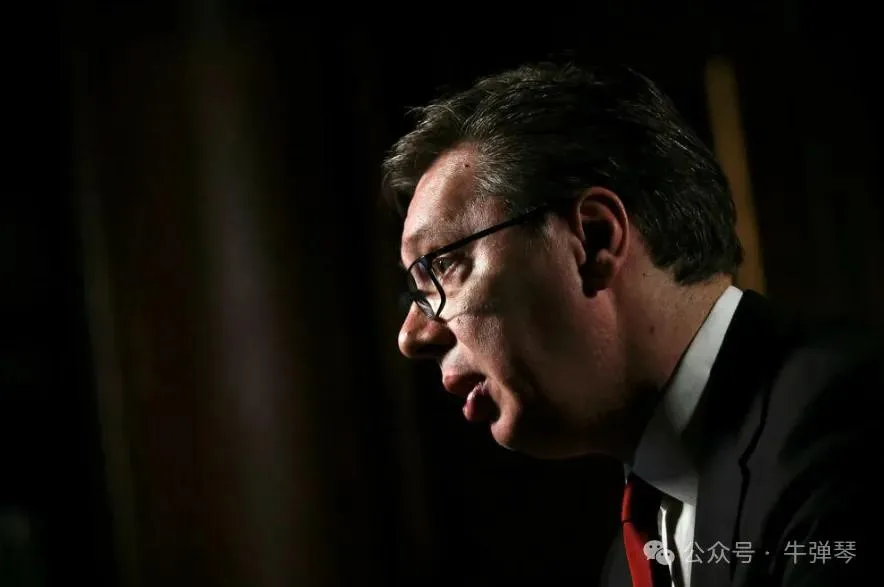
Key pieces fall into place. Vucic served as prime minister before. He hints at returning to party politics or the premiership. The constitution blocks another presidential run. It says nothing about heading government. A strong election performance could install a loyal successor in the presidency. Vucic retains influence. The pattern echoes other leaders who shift roles to stay central. Serbia stays in Western integration talks. It buys French jets. It works with the EU on lithium. Yet ties with Russia and China remain warm. Vucic avoids full alignment with any side. He calls Serbia Western in Europe but never abandons traditional friends. The balancing act maximizes leverage. Small states survive by making themselves useful to multiple powers. Vucic masters that game. Early resignation tests domestic support. It forces opposition into the open. It lets him shape the narrative before 2027.
Costs and trade-offs shape the endgame. Domestic protests test stability. Some target corruption and poor infrastructure. International actors watch closely. The EU pushes reforms. Russia and China offer alternatives. Serbia gains from all sides but risks overextension. Vucic’s move buys time. It lets him regroup before elections. Success depends on delivering tangible improvements. Jobs, growth, and services matter most. Rhetoric alone fails. Leaders who ignore daily realities lose legitimacy fast. Serbia needs steady development amid geopolitical crosswinds. Vucic understands the stakes. His resignation is not surrender. It is repositioning. Watch parliamentary dynamics. Track coalition talks. Measure public reaction to any new government formation. Those indicators reveal whether the strategy works. Other small states facing similar pressures should study the sequence. Maintain flexibility. Avoid permanent alignment. Invest in domestic resilience. Vucic’s chessboard stretches beyond one office. The real contest continues. Serbia’s next chapter depends on execution, not announcement. The coming months will test the depth of his preparations. Early resignation gives him the first move. The question is whether he keeps the advantage.
Author bio: Gavin Thorne, senior researcher at a leading European independent strategic think tank, specializing in great power military balances and alliance dynamics.