(SeaPRwire) – By: Lucas Caldwell
The 72-hour mark is a cold metric in rescue operations. It passed Saturday evening. In Venezuela, that deadline is now just a number, because the real clock is different. The 33 people pulled alive from the rubble over the weekend are the statistical anomaly. The odds, as Swiss rescue-team leader Sebastian Eugster put it, drop sharply after that 72-hour window. Nearly 50,000 are still missing as of Sunday, down from 55,000 a day earlier. That number could be 68,900, according to families. The chaos in accounting is the real disaster underneath the disaster.
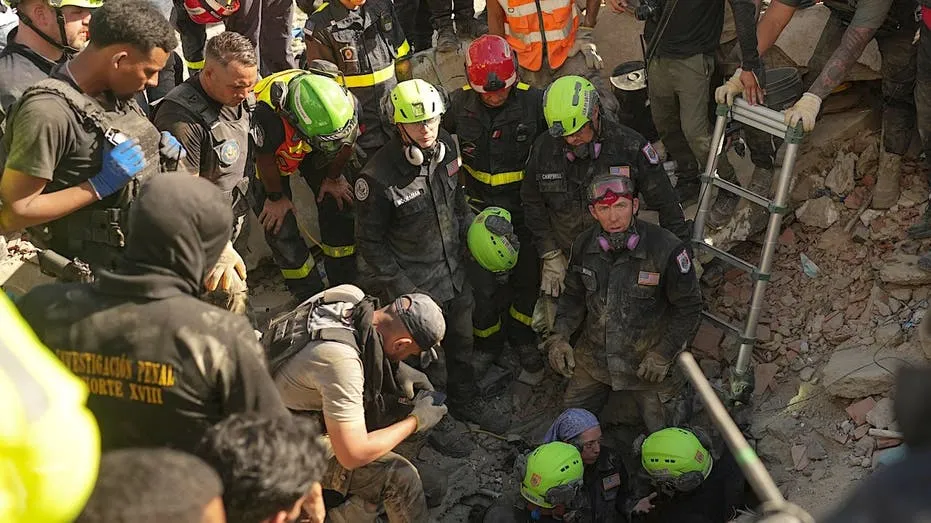
Let’s look at the raw numbers. Twin earthquakes hit Wednesday – magnitude 7.2 and 7.5. They struck the northern coast. La Guaira state took the worst damage. Apartment blocks, hotels, public housing pancaked. 1,430 dead, per AP. Over 3,000 injured. Roughly the same number now live in shelters. Among the rescued: an infant pulled out by U.S. rescuers, an 11-year-old found by a Colombian team using a scanner 10 feet deep, another 11-year-old rescued by Mexican crews in Caraballeda. These are surgical hits amid a rubble field.
Then there is the connectivity angle. Starlink stepped in. They provided free service to MovistarVe customers in La Guaira via Starlink Mobile. They are working to extend to Digitel and Movilnet customers. SMS works even when terrestrial networks are down. Families with compatible LTE phones automatically connect. This is not a press release. This is a lifeline. But it also highlights the failure of the existing telecom infrastructure. The government has not restored it. The missing count is fuzzy because people cannot call.
Now think about the macro game. Starlink’s humanitarian deployment is a strategic wedge. It builds brand loyalty in a region where state-run telecoms have collapsed. It also pressures regulators. When a private satellite network becomes the only way to coordinate rescue, government monopoly loses legitimacy. The 72-hour window is about biology. The connectivity window is about coordination. The latter can extend the former. But Starlink is not a permanent fix. It is a patch. The real question is whether Venezuela’s grid can survive the aftershocks – hundreds already, still rattling damaged neighborhoods.
The technology angle goes deeper. Rescue teams used ground-penetrating scanners. Colombian teams found a boy 10 feet under. That is a precise tool. But it is not widespread. The contrast is stark. On one side, advanced gear from foreign teams. On the other, a missing tally that fluctuates by thousands because families cannot file proper reports. The government speaks of “hundreds missing.” The AP cites 68,900 names from families. That gap is a data failure. And data failure costs lives.
One final thought. The next earthquake will not need to be this strong to expose the same gap. The infrastructure is brittle. The rescue window is biological. The communication window is technological. Right now, one commercial company is keeping the latter open. That should scare everyone.