(SeaPRwire) –
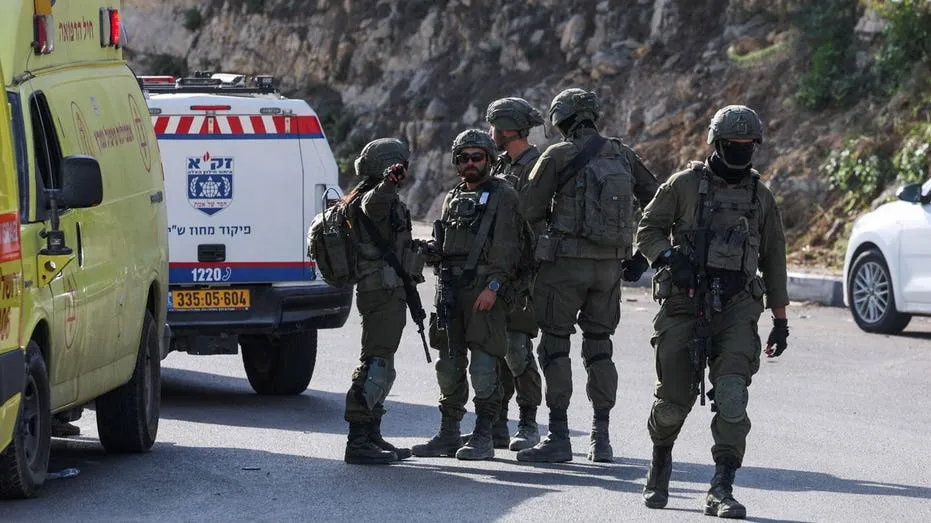
The West Bank has not experienced this level of coordinated military tension in months, and the killing of two IDF soldiers changes the calculus immediately. This isn’t another incident report. It’s a signal that the security architecture Israel rebuilt since October is fraying at the edges. The Ari Battalion — the elite Search and Rescue Brigade — lost a squad commander and a combat soldier. Ron Yonatan Roytman was twenty-three and from Ashkelon. Yuval Shai Svilem was twenty and from Hod Hasharon. Both died from gunfire on Friday in the Judea Junction area. These aren’t abstract casualties on a news ticker. They’re young men on the front line of a conflict that keeps expanding its perimeter. Judea Junction isn’t random geography. It’s a chokepoint. Control of that corridor determines movement for thousands of Palestinians and soldiers alike. When gunfire erupts there, the response is immediate and severe. The IDF killed two attackers identified as terrorists. But the real question isn’t whether the immediate threat was neutralized. It’s what happens next, and the answer is already unfolding.
Netanyahu convened his Security Cabinet within hours, and his language wasn’t standard protocol. He declared that Hamas was planning a major attack aimed at murdering innocent civilians. He didn’t say suspects were being investigated. He named an active plot. That shifts the entire framework from reaction to anticipation. Israel then ordered the army to prepare for a full closure of the West Bank. That’s a significant escalation — not a partial lockdown but a comprehensive shut-down. The armed attackers came from Hebron. Two Palestinians armed with an M16 rifle and a handgun. An M16 isn’t something you pick up at a corner shop. It suggests smuggling channels or internal diversion. IDF chief of staff Eyal Zamir said a large quantity of ammunition was found in a vehicle used by the perpetrators, and that ammunition was intended for a larger-scale attack. Dozens of raids were conducted across the West Bank on Friday. Dozens of arrests followed. Israeli officials claimed members of Hamas and affiliated Islamic Jihad groups were among those apprehended. The scale suggests this wasn’t a single-cell action but a network building toward something. Hebron has long been one of the most volatile areas in the West Bank. Armed groups operating from there have access to smuggling routes, sympathetic networks, and urban terrain that makes military operations complex.
Netanyahu then declared that a large-scale operation in the West Bank is to begin soon. That isn’t a threat. It’s a roadmap. When a prime minister announces military operations publicly, he’s signaling to regional actors, to Hamas, to Islamic Jihad, to the Palestinian Authority, and to international observers. The message is clear: Israel sees the plot and is preparing to dismantle it. But dismantling a network isn’t like cutting one head off a hydra. Each operation creates new vulnerabilities. Each closure deepens resentment. Each raid produces new recruits from families who lost members. The geopolitical cost of inaction is equally high. If Israel appears weak after two soldiers are killed, it emboldens every militant group in the region. Hamas in Gaza watches closely. Islamic Jihad in the West Bank recalibrates. Hezbollah in Lebanon measures the response time. A swift counteroperation restores deterrence. A hesitant one invites replication. That’s the brutal logic of this conflict. The closure order is the first tool. But closures are temporary. Raids are temporary. The structural problem that produced this attack remains. No amount of sealing checkpoints changes the fact that armed militants can still move weapons and plan operations inside the West Bank. The security cabinet will meet again. More operations will be announced. More arrests will follow. But the cycle that killed Roytman and Svilem remains unbroken, and the next escalation is already being prepared.