(SeaPRwire) – The real story here is not a plane taking off again. It is three Israeli security services sitting in a room. They are deciding whether a UAE-flagged carrier touches Ben Gurion airspace. That is not airline scheduling. That is a sovereignty handshake dressed up as a timetable. I have watched ministerial press offices bury operational details inside flight-resumption copy for years. The phrase “new security arrangements” does the heavy lifting. Read it once. Then read it again. It tells you the suspension was never about one co-pilot. It was about who controls the kill-chain inside a cockpit over the Mediterranean.
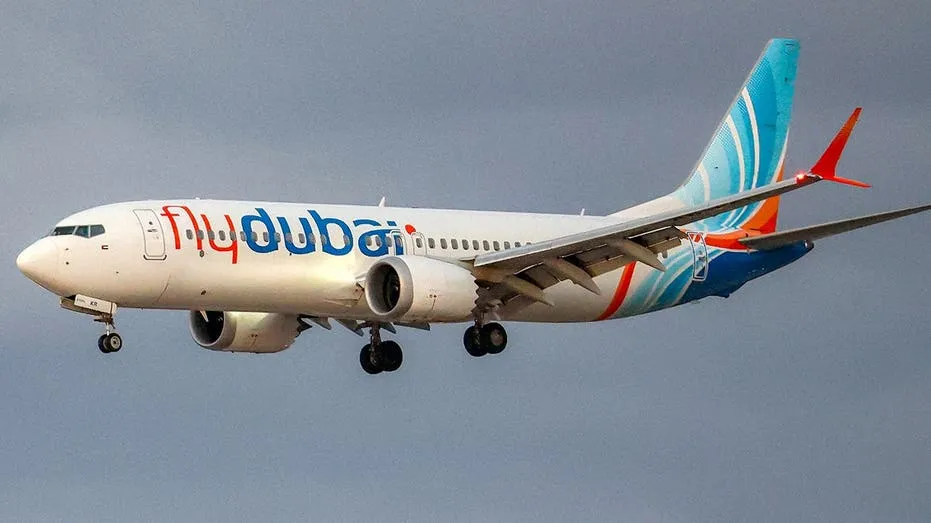
Here is what actually happened on the wire. FlyDubai announced Thursday it will resume Tel Aviv flights on Dec. 3. The suspension dates back to Sept. 30. On that date, co-pilot Hamam al-Hammami allegedly attacked Captain Smit Machchhar with a crash axe on Flight FZ1073. The plane diverted to Tabuk, Saudi Arabia. Machchhar, an Indian national, was stabbed. He managed to unlock the cockpit door. Israeli passengers and Emirati crew intervened. The UAE Attorney General confirmed the act was a terrorist attempt. The plane landed safe. That is the operational record. Clean. Factual. Closed.
Now the subtext. Minister Miri Regev greenlit the resumption this week. But three bodies had to clear it. Shin Bet. Mossad. The National Security Council. Three separate intelligence agencies. For a low-cost carrier out of Dubai. That layering tells you the incident was absorbed as a bilateral threat, not an airline HR file. The UAE called it a terrorist act. Israel demanded new security arrangements. Two legal frameworks. One cockpit. The real negotiation was never about FZ1073. It was whether Abu Dhabi’s aviation regulator and Tel Aviv’s security cabinet can share a threat pipeline without either side losing operational opacity.
The pendulum here is not swinging toward normalization. It is swinging toward codified interdependence with a tripwire built into every boarding group. FlyDubai flies to Ben Gurion on Dec. 3 under terms no public document will fully disclose. That is the point. The arrangement is deliberately opaque. Both capitals need the route open for commercial traffic. Both need the security language closed. You will not read the new arrangements in a ministerial statement. You will read them in the next incident either side decides was preventable. Until then, the route stays. Barely.