(SeaPRwire) – The pause in North Korean missile deliveries to Moscow is a warning shot. It exposes the fragility of a partnership that has kept Russia’s war machine supplied. Kyiv’s intelligence reports a freeze on KN-23 ballistic missiles and artillery. It came after Russian Deputy FM Andrey Rudenko suggested Moscow could help de-escalate Seoul-Pyongyang tensions. That was the trigger. Moscow’s outreach to South Korea, aimed at hedging its war economy, has rattled Pyongyang. The alliance is not the unshakable bloc the Kremlin likes to project.
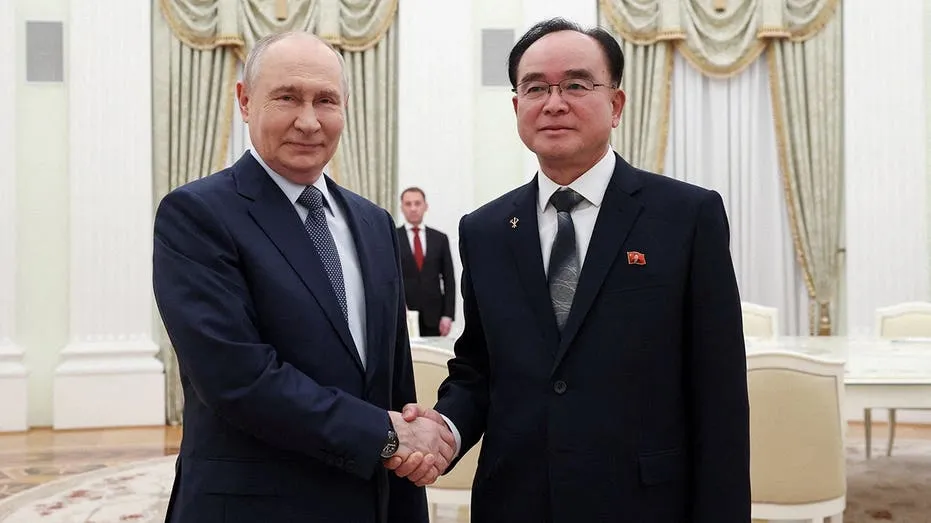
The facts are stark. Kyiv’s GUR says Choe Son Hui announced the freeze after Rudenko’s suggestion. Choe demanded Moscow clarify its policy toward South Korea. Reuters could not independently verify the report. The freeze stops Russian military flights over North Korea. It also stalls a Kremlin request to expand North Korean troop deployment from roughly 8,500 to 50,000. Yet the war effort hasn’t slowed entirely. The 11th Corps remains in Kursk. A missile unit has operated in Voronezh since mid-summer. Putin hosted Kim Jong Un’s aide Jo Yong Won last week. Both praised bilateral cooperation. On the ground, the situation remains volatile. Zelenskyy warned Thursday of a new massive strike on energy infrastructure. Crews are restoring power in six regions. Overnight strikes damaged an apartment building, a hospital, and businesses. He renews appeals for Patriot interceptors. In Washington, Trump wrote on Truth Social that he urged Putin to pull back aggression. Kushner said Putin has shown restraint on nukes. Talks remain deadlocked over Ukrainian territory. Ukraine struck a Russian airfield and an oil pumping facility. Russia says it intercepted 343 drones.
The pause is about leverage, not logistics. Pyongyang wants assurances that Moscow won’t trade its security for Seoul’s money. Russia’s double game—courting South Korea while relying on North Korean shells—has created a trust deficit. The Kremlin needs the munitions. The 50,000 troop request shows it. But Kim’s regime is now demanding clarity on Moscow’s policy. The end-game is a more transactional alliance. Pyongyang will extract higher concessions for every shipment. The deeper cost is strategic. Russia’s outreach to Seoul undermines its credibility as a security guarantor. That credibility is hard to restore. The freeze may end. But the rift will leave a mark on the entire war architecture.