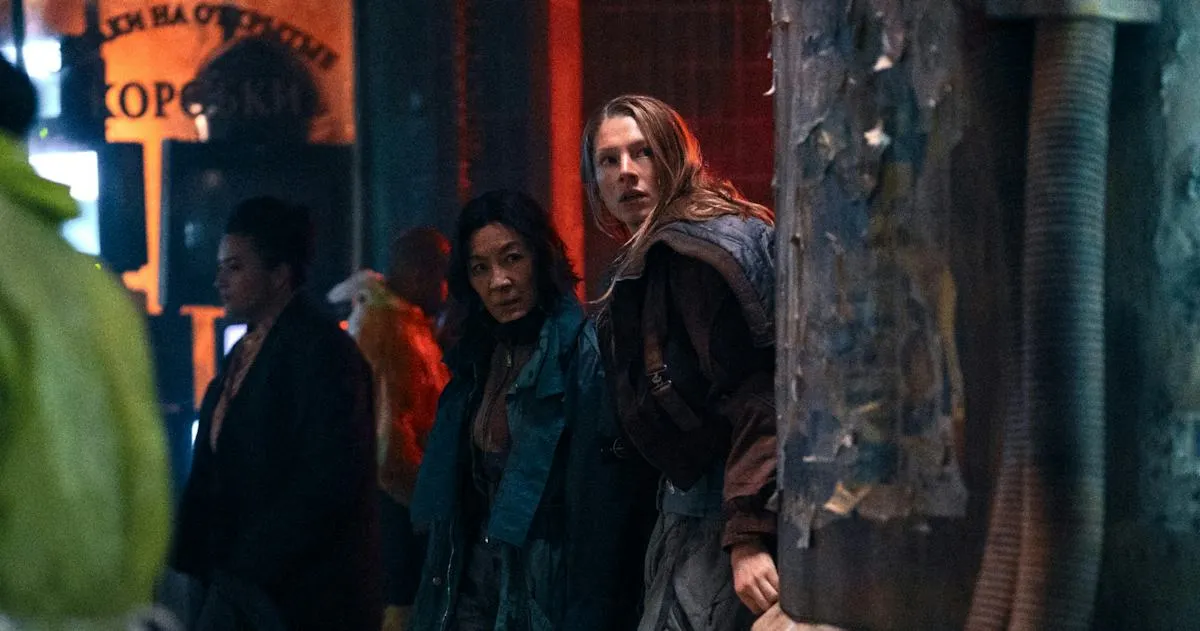
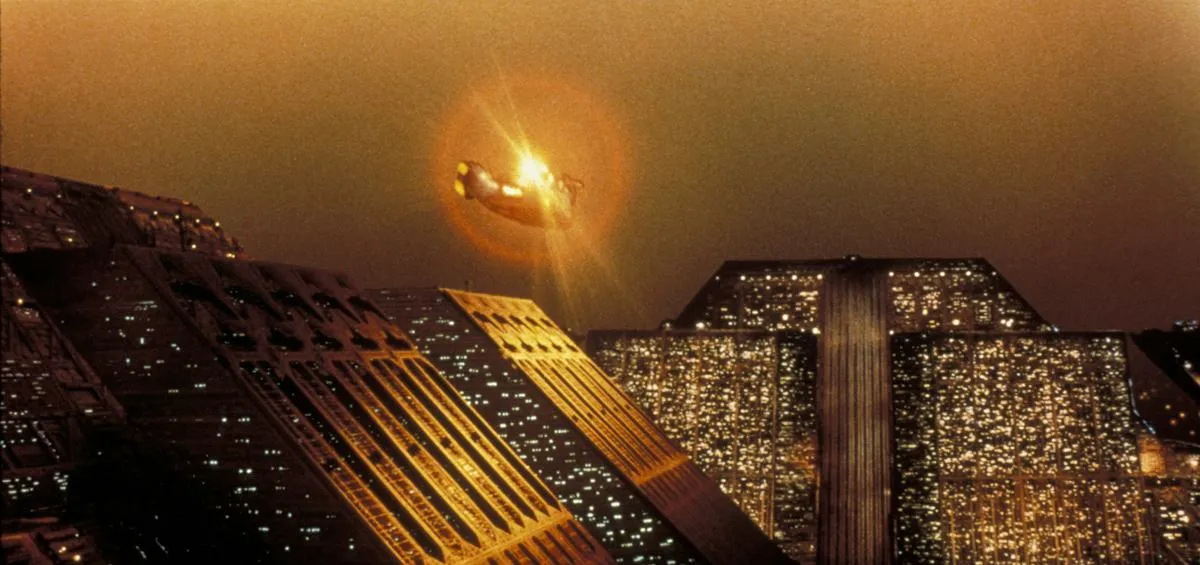
The original 1982 film told you the Tyrell Corp pushed robot evolution into the Nexus phase. The Nexus-6 was top tier. Every Replicant has a ticking clock. A limited lifespan. That was the rule. Blade Runner 2099 shatters that rule. It claims there was an original version with a much longer lifespan. This was Eldon Tyrell’s first creation. It allowed users to download consciousness into new bodies. No limited lifespan. This is a massive lore change. It does not come from the original movie. It is not in Blade Runner 2049. It is not in Philip K. Dick’s Do Androids Dream of Electric Sheep. In the book, the terms Replicant and Blade Runner do not exist at all.
(SeaPRwire) – Warning: Spoilers ahead!
Silka Luisa, the showrunner and creator of Blade Runner 2099, tells Inverse she was curious about this gap. She notes that no one really lays out the Nexus series origins. She felt like a mystery was intentionally embedded. There is a secret there. That secret is the one thing every character in the series wants. The ability to move beyond the limitations of life. This applies to humans and Replicants alike. The memory of the original Nexus-1 becomes the MacGuffin. The show is about solving an unspoken mystery from the first film. Why did Tyrell’s research end up the way it did? Obviously, because Blade Runner takes place in an alternate future. The fact that Nexus-1 is said to have existed in 2000 might confuse casual viewers. But that is the nature of the show’s canon. If we accept that Blade Runner still takes place in 2019, this is the future of that canon. Then you have Nexus-1 Replicant tech out there at the turn of the century.
Warning: Spoilers ahead!
Luisa says you start to think Tyrell is such a dreamer. Why would he make something so small? It only lives four years. That does not feel like the person she saw on screen. So she started thinking about what comes after us. If you wanted to go to the end of the universe. What would you need it to be able to do? Again, this is not a deep-cut to the original film’s concepts. The screenplay was written by Hampton Fancher and David Peoples. At one point, it was called Dangerous Days. To be clear, this does not come from Philip K. Dick either. This is an invention of the new series. It goes back to a deeper sci-fi from before the beginning of the first movie. Although Blade Runner 2099 is visually and sonically a faithful continuation of the original film, it is perhaps even more so than Blade Runner 2049. This is still a big canon shakeup. Was Luisa nervous about taking such a big swing with this hallowed sci-fi backstory?
I do not think you can approach anything in this project with fear. Both films and the book are bold. If you are nervous, you just will not be able to do Blade Runner. This sentiment comes from Luisa in the source text. The series is streaming on Prime Video now. The industry subtext is clear. Studios are desperate to mine existing IP. They are rewriting history to create new product lines. This is not about artistic integrity. It is about controlling the narrative before the audience questions the foundation. The supply chain for sci-fi franchises is now dominated by these retcons. You either accept the new rules or you reject the entire franchise. The blunt assertion is simple. The original 1982 film is no longer the source of truth. Prime Video is the source of truth. Anything else is fan fiction.